

To help ASEAN meet its target of having renewable energy account for 45% of total installed power capacity by 2030, countries in the region must establish regulatory frameworks for cross-border electricity trading, accelerate such trade and harness renewable energy to support green industrialisation.
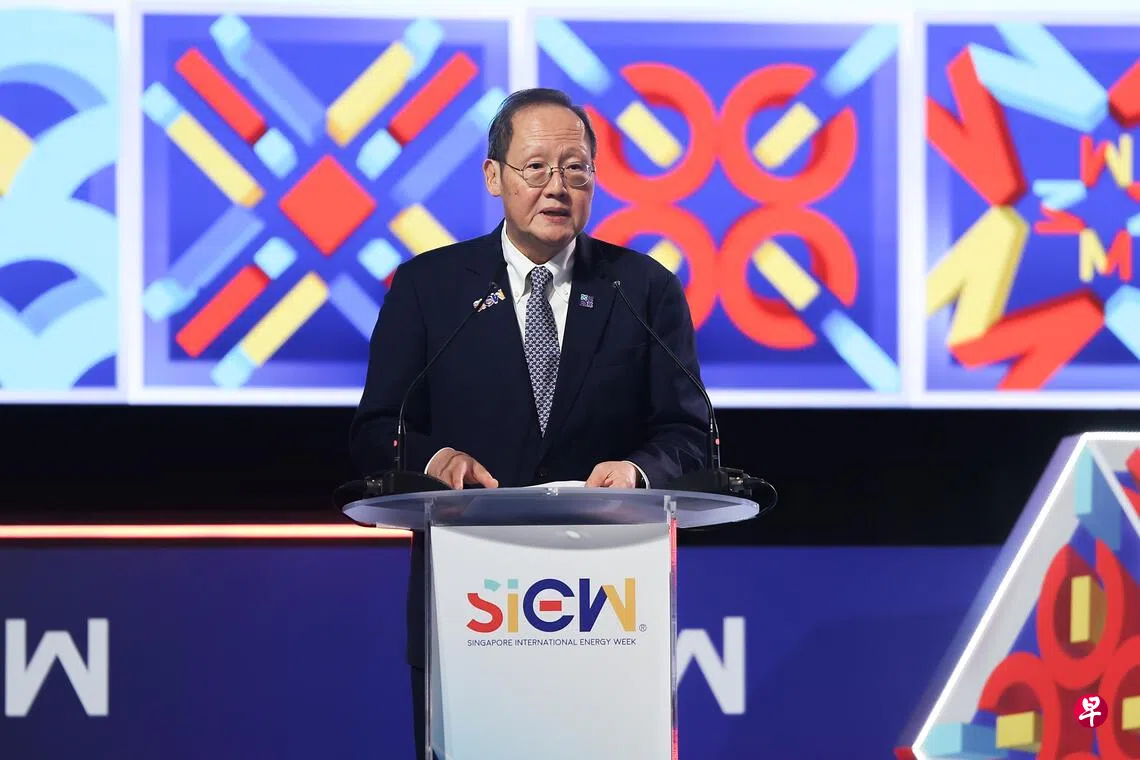
Speaking at the Singapore–International Renewable Energy Agency (IRENA) High-Level Forum on Tuesday (27 October), Minister for Energy, Trade and Industry (Energy and Industry) Dr Tan See Leng said Southeast Asia’s renewable energy resources were geographically dispersed, making stronger regional interconnections essential to realising their full potential.
ASEAN is pushing for more renewable energy use, with a plan to reach 45% of renewable energy in installed power capacity by 2030.
According to the ASEAN Centre for Energy (ACE) in its recently published 9th ASEAN Energy Outlook, ASEAN will need to add around 26 gigawatts of renewable energy capacity annually to meet this target — four times the total added over the past decade.
Cross-border renewable energy projects are building blocks of ASEAN Power Grid
Dr Tan pointed out that the challenge is not just to develop more renewable energy projects, but to ensure that they are commercially viable and bankable.
Successful cross-border projects will form the building blocks of the ASEAN Power Grid (APG), connecting renewable energy supply with demand centres across the region.
To this end, Dr Tan identified three areas of work: creating clear and predictable regulatory frameworks for cross-border electricity trade, Accelerating Cross-Border Electricity Trading Projects, and Harnessing Renewable Energy for Green Industrialisation.
He pointed out that without regulatory frameworks for cross-border electricity trade, it would be challenging to attract investments to realise the full potential of the APG.
Beyond physical infrastructure, cooperation on areas such as cross-border wheeling arrangements and cross-border Renewable Energy Certificates (RECs) will also be needed.
Second, the region must identify and advance priority cross-border electricity trading projects, strengthen coordination among participating countries and address practical challenges associated with developing and operating regional interconnections.
Low-carbon transition requires cooperation among governments, industry and international organisations
In addition, Dr Tan said renewable energy should be harnessed to support green industrialisation. Greater access to renewable energy and other low-carbon alternatives can help industries reduce emissions and remain competitive.
This can also create new opportunities for investment in cleaner industrial processes, technologies and supply chains, supporting the region’s transition towards a lower-carbon economy.
All this requires close cooperation among governments, industry and international organisations.
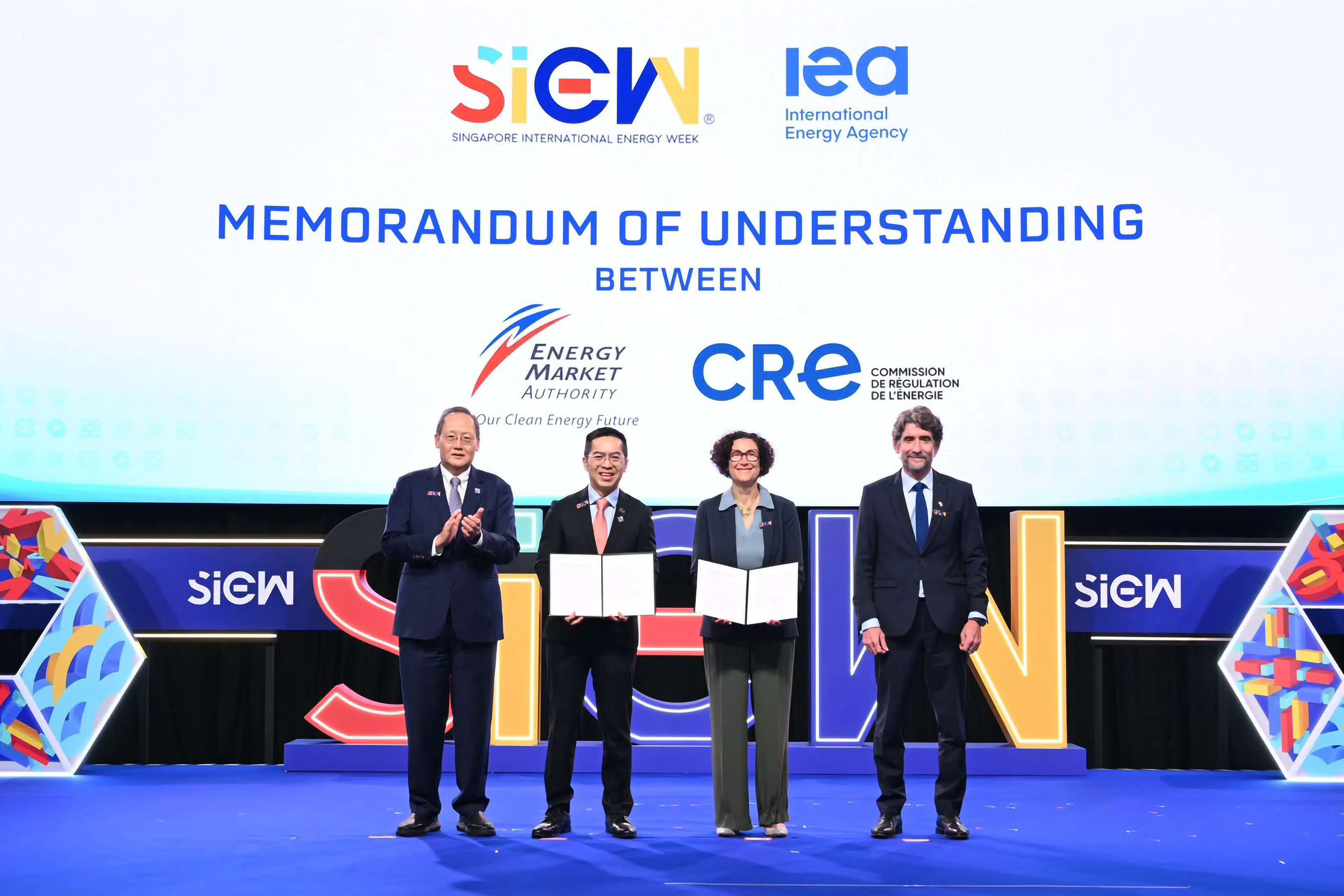
To this end, the Energy Market Authority (EMA) signed separate memorandums with the French Energy Regulatory Commission (Commission de régulation de l’énergie, or CRE) and New Zealand’s Electricity Authority (Te Mana Hiko in Māori) at Singapore International Energy Week on Tuesday.
The memorandum of understanding with France will allow Singapore to draw on France’s extensive experience in cross-border electricity interconnections and Europe’s integrated electricity market.
Both sides will also have opportunities to exchange views and explore the development of regulatory frameworks and market mechanisms to facilitate cross-border electricity connectivity and advance the energy transition.
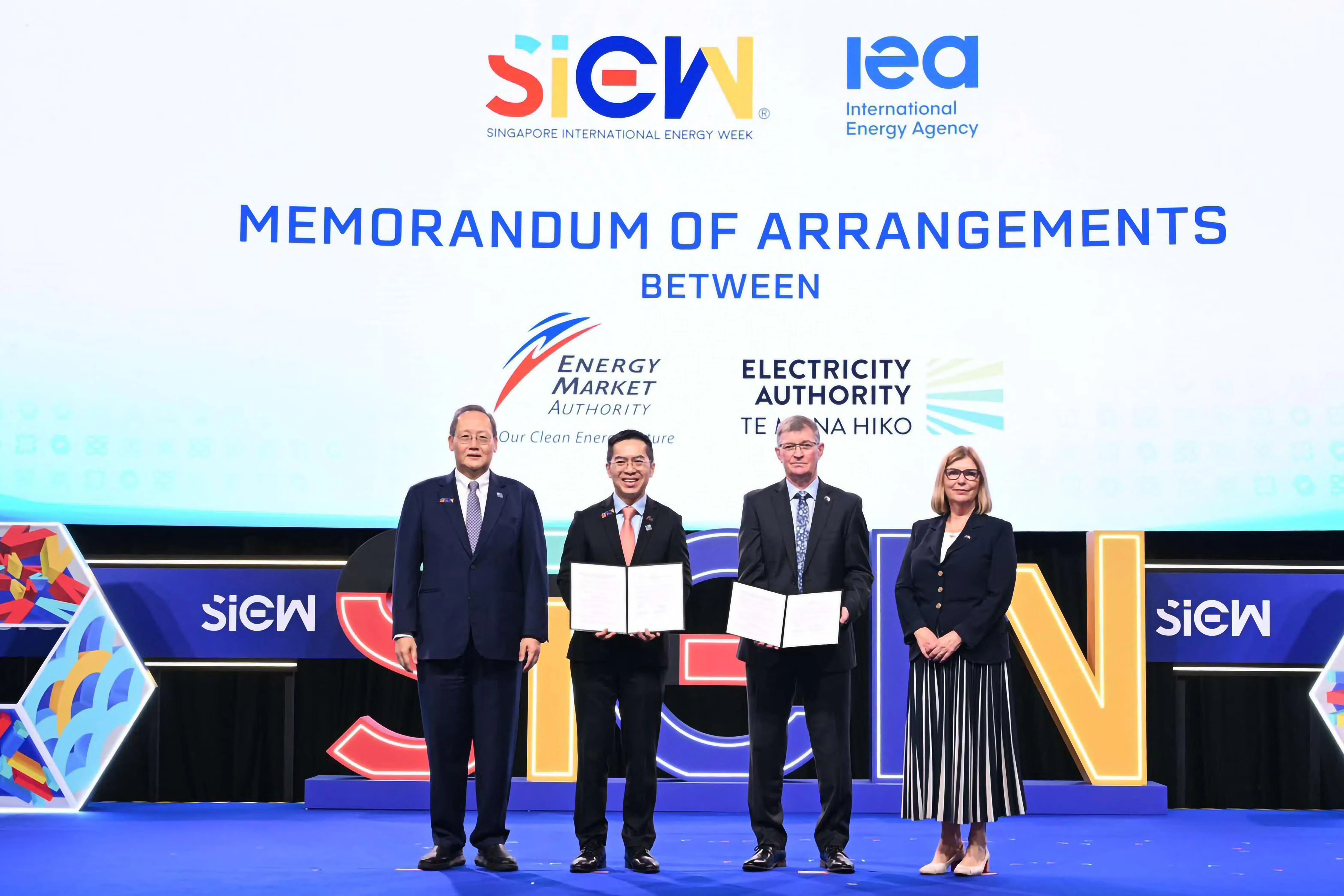
The memorandum of arrangement with New Zealand covers cooperation and the sharing of experience in electricity market planning and regulation, as well as the management and integration of low-carbon energy technologies.
In particular, Singapore can draw lessons from the high share of renewable energy in New Zealand’s electricity system to advance the decarbonisation of its power sector.
Besides practical exchanges such as jointly organising workshops and seminars and sharing knowledge and experience, EMA will work with both agencies to seek opportunities for high-level dialogue and cooperation through regional and international platforms, including ASEAN and Singapore International Energy Week.
