

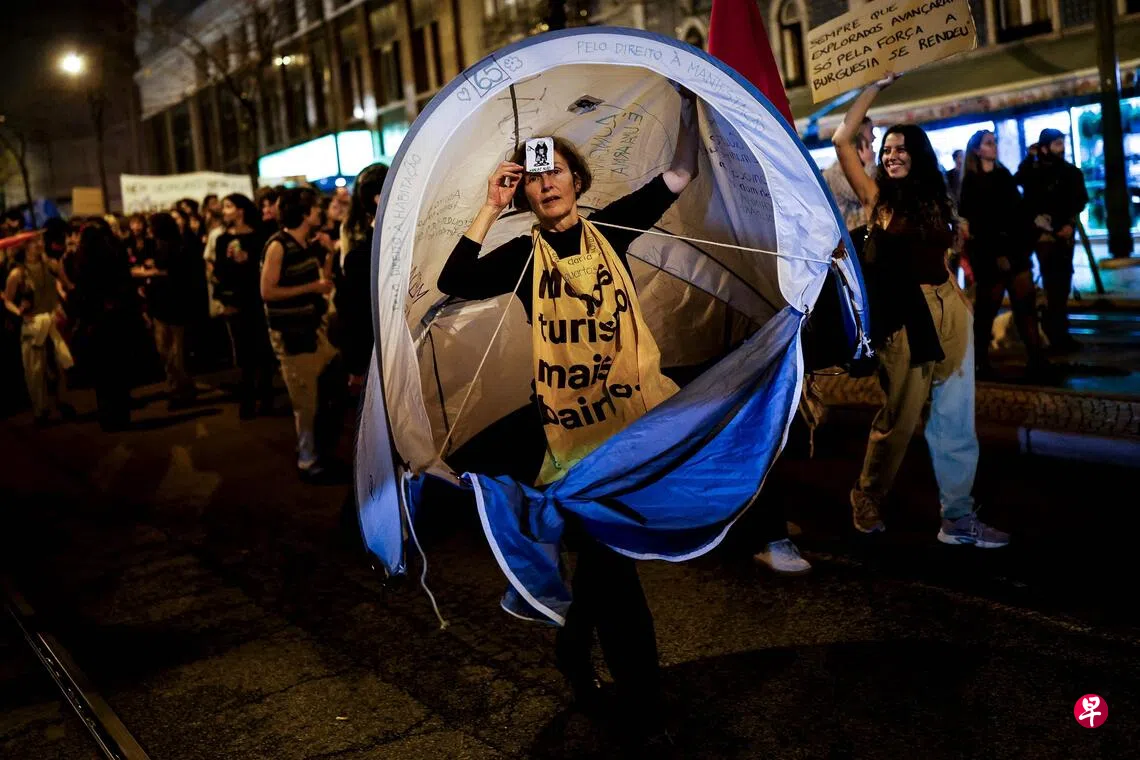
(Paris) France saw another round of large-scale anti-government demonstrations on Saturday (14 November), while youth protests have also erupted recently in Belgium, Germany, Greece, Italy and Portugal. Analysts say an increasingly acute “generational clash” in Europe lies behind the unrest.
The New York Times reported that as life expectancy rises, the huge pension bill, which accounts for about 40% of EU social protection spending, is increasingly squeezing opportunities for younger generations. Maintaining benefits for older people often comes at the cost of cuts to public services and subsidies for young taxpayers.
Meanwhile, US pressure and the Russia-Ukraine war have pushed up defence spending, while high interest rates have increased governments’ debt-servicing costs. Together with high rents and house prices, these pressures have deepened young Europeans’ sense of generational injustice.
Jorge Galindo, director of the independent Spanish think tank EsadeEcPol, said: “It’s a generational clash.”
A recent EU survey found that among those aged 15 to 30, only 38% believed policymakers considered the long-term consequences of their decisions. Only a third believed young people today had the same opportunities to succeed as those 30 years ago.
Over the past decade, several European countries have tried to adjust how pensions are calculated to cut spending while delaying a major political backlash. For many older Europeans, pensions are a sacrosanct cornerstone of Europe’s welfare system.
Governments generally avoid cutting the amount each retiree receives, opting instead to gradually raise the age at which citizens qualify for a pension. In 2023, French President Emmanuel Macron tried to raise the retirement age from 62 to 64, triggering fierce protests. The government eventually froze the measure.
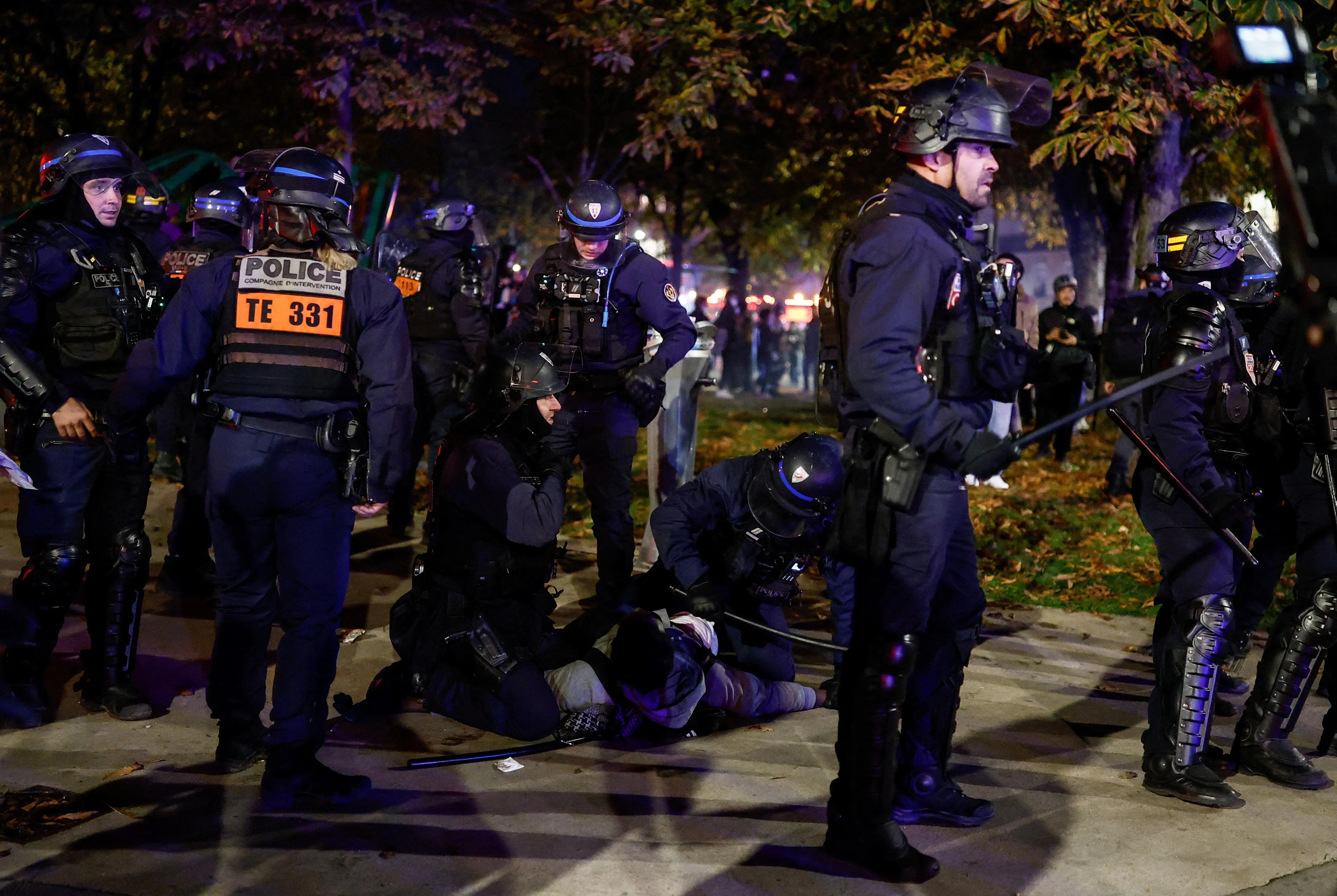
But this has created another problem. France is one of Europe’s most heavily indebted countries, and the government says it cannot afford to spend more on education. This has angered young people, fuelling the current wave of protests.
Other European countries have tried different ways to ease competition between generations: the UK plans to slow pension increases, while Spain is bringing in immigrants to expand its pool of taxpaying workers.
Alejandro Rojano, a 28-year-old bank employee from Madrid, said: “We young people have less and less and less.” He earns less than €2,000 (about S$2,840) a month. Even his grandparents, who are in their 90s, receive pensions far higher than his monthly salary.
He lamented that no political party dared to cut benefits for retirees, who form a reliable and powerful voting bloc. “It makes no sense, you know?”
