

(This article has been updated on 4 November 2026.)
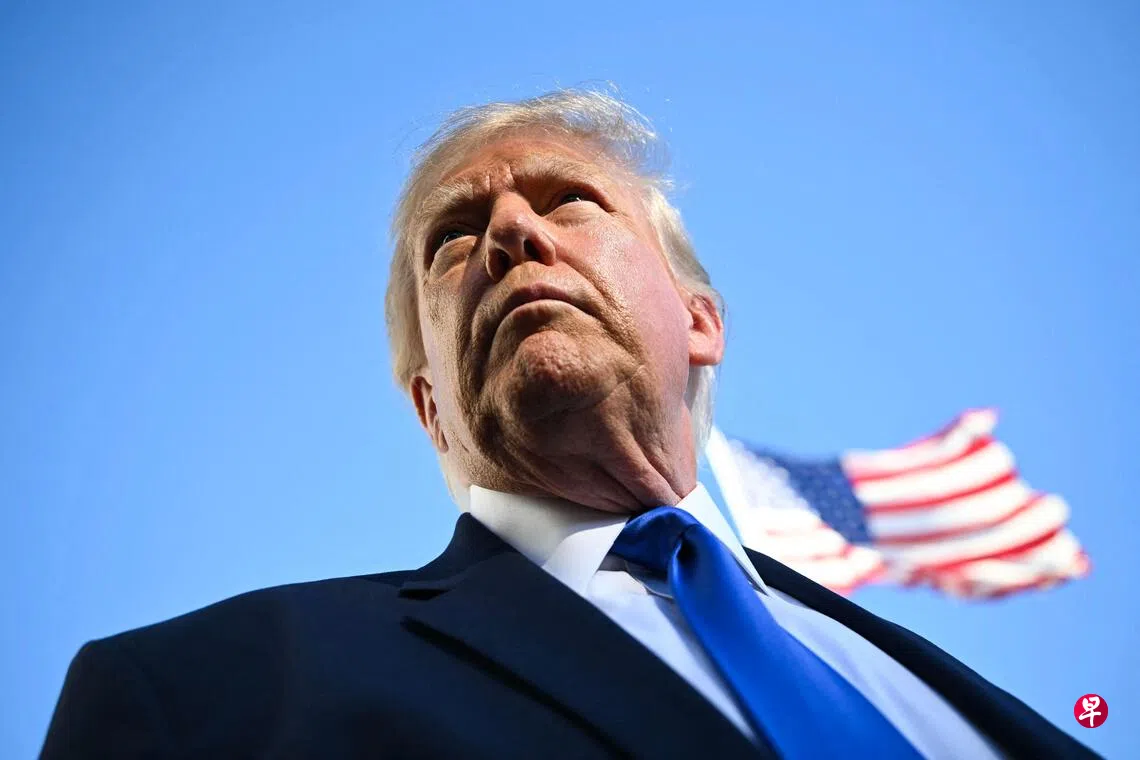
Rick Sebring, a resident of Black Creek, Georgia, was once a staunch supporter of US President Trump. He voted for Trump in all three of his presidential campaigns.
Now, thoroughly disillusioned, he has decided to vote for Democratic candidates in the coming midterm elections.
In an interview with The Washington Post, Sebring, 66, said self-deprecatingly that he often joked with his children that he needed a hat bearing the words “I fell for it three times”. He believes Trump has changed and no longer puts ordinary Americans’ interests first, leaving him feeling betrayed.
A joint poll by The Washington Post, ABC News and Ipsos found that about one in five voters who backed Trump in the 2024 presidential election now disapprove of his performance in office. They account for about 8% of the midterm electorate.
This has forced Trump and his fellow Republicans to devote substantial campaign resources to defending red states they should have been able to win comfortably, in midterm elections that already tend to work against the governing party.
The non-partisan election analysis organisation Cook Political Report believes Republicans have almost no chance of retaining control of the House of Representatives in the 3 November midterm elections.
All 435 House seats are currently up for election. Prior to the midterm elections, Republicans held 218 House seats, just meeting the majority threshold of 218. Democrats had 214 seats, while an independent caucused with the Republicans, and two seats were vacant. The Democrats have since flipped the House and won a majority, gaining at least 25 seats.
As for the Senate, control has been similarly wrested from Republicans by the Democrats. Before the midterm elections, Republicans held 53 of its 100 seats against the Democrats’ 47. Of the 35 seats up for election this year, 22 were held by Republicans and 13 by Democrats.
As Vice-President JD Vance, who also serves as president of the Senate, can cast a tie-breaking vote, Democrats will need a net gain of at least four seats to regain control of the chamber, which they have now gained.
Trump weighs on Republicans’ electoral prospects
Midterm elections are often seen as a referendum on the incumbent president’s performance. Trump has urged voters to imagine his name is on the ballot, binding Republican candidates even more closely to him.
But with his popularity at a persistent low, this strategy has backfired.
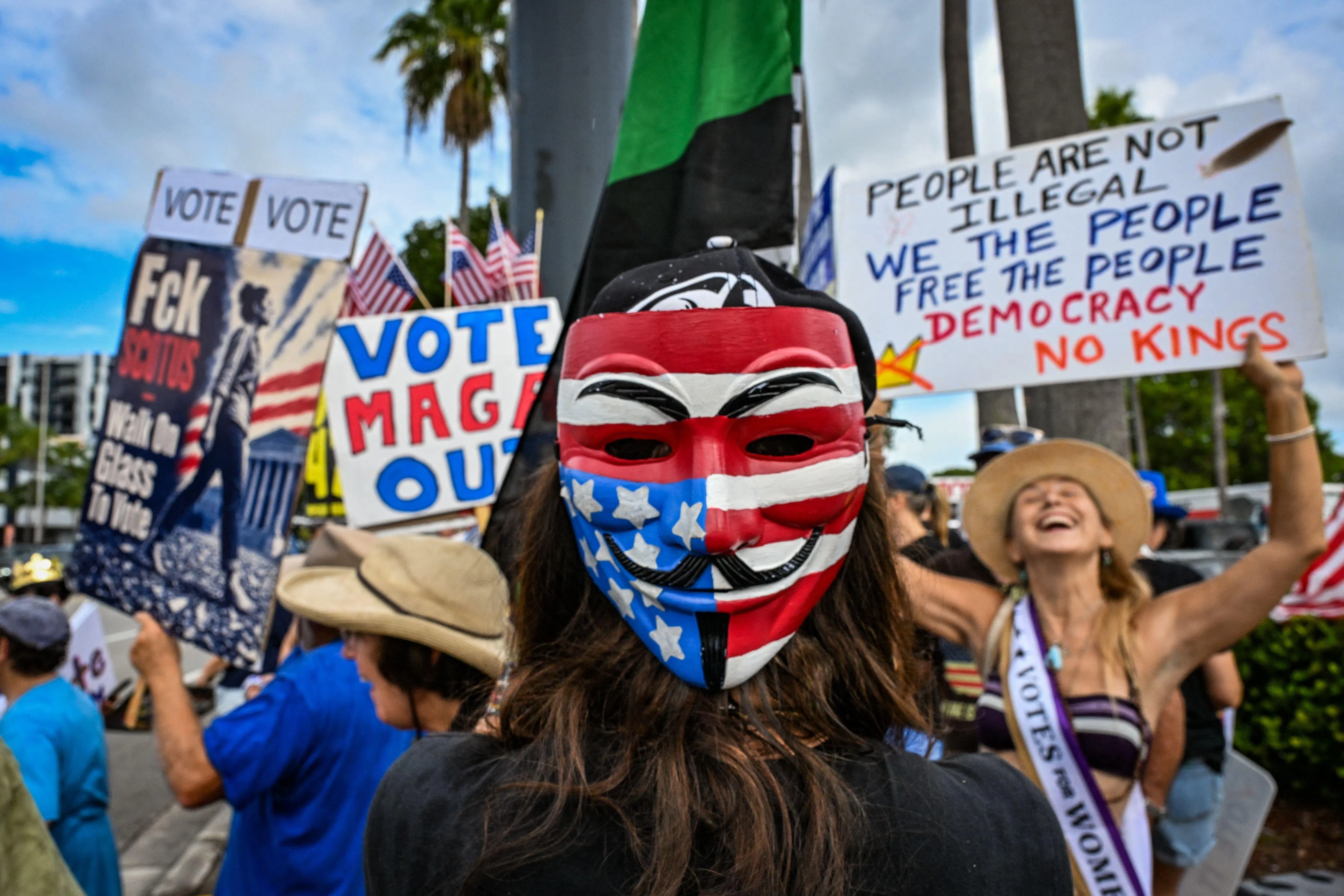
Historically, the US president’s party has generally lost House seats in midterm elections, with only two exceptions to this pattern over the past century. The lower the president’s approval rating, the heavier the party’s losses tend to be.
A poll released by The New York Times and the Siena Research Institute on 21 October put Trump’s approval rating at 34%, the lowest for any US president approaching the midterms since Harry Truman’s 33% in 1946.
According to polling aggregator RealClearPolling (RCP), Trump’s average approval rating across multiple polls stood at 38.3% as of 26 October, while his disapproval rating was as high as 60.2%.
Trump has dismissed such figures as fake polls. Polls have indeed often underestimated Republican support in the past, but academics believe this election’s polling is fairly reliable. Any bias may amount to an overstatement of Democratic support by just one or two percentage points.
In an interview, Gary C. Jacobson, distinguished emeritus professor of political science at the University of California San Diego, told Lianhe Zaobao (LHZB), “I still suspect a small pro-Democrat bias, but...their current lead in the generic polls is large enough so that even if it is overstated a bit, they should still win a House majority.”
According to RCP’s aggregation, Democrats lead Republicans in national generic ballot polls, with average support of 51.5% against 43.4%.
Generic ballot polls are used in the US to gauge which party voters nationwide would prefer to control Congress. Rather than naming individual candidates, they ask voters directly whether they intend to vote for a Democratic or Republican candidate in the coming election.
Turnout and undecided voters could determine the outcome
In Jacobson’s view, voter turnout is the biggest uncertainty in this election. He noted that supporters of both parties show extremely strong party loyalty in generic ballot polls. The outcome will depend largely on which side can mobilise more of its base to vote.
Independent voters are another key source of uncertainty. Although they lean towards the Democrats, they are generally less inclined to vote.
Todd Belt, a professor of political management at George Washington University, also believes polling for this election should be fairly accurate, with undecided voters the only variable. Belt told LHZB, “If you see a big number, then the race could go either way.”
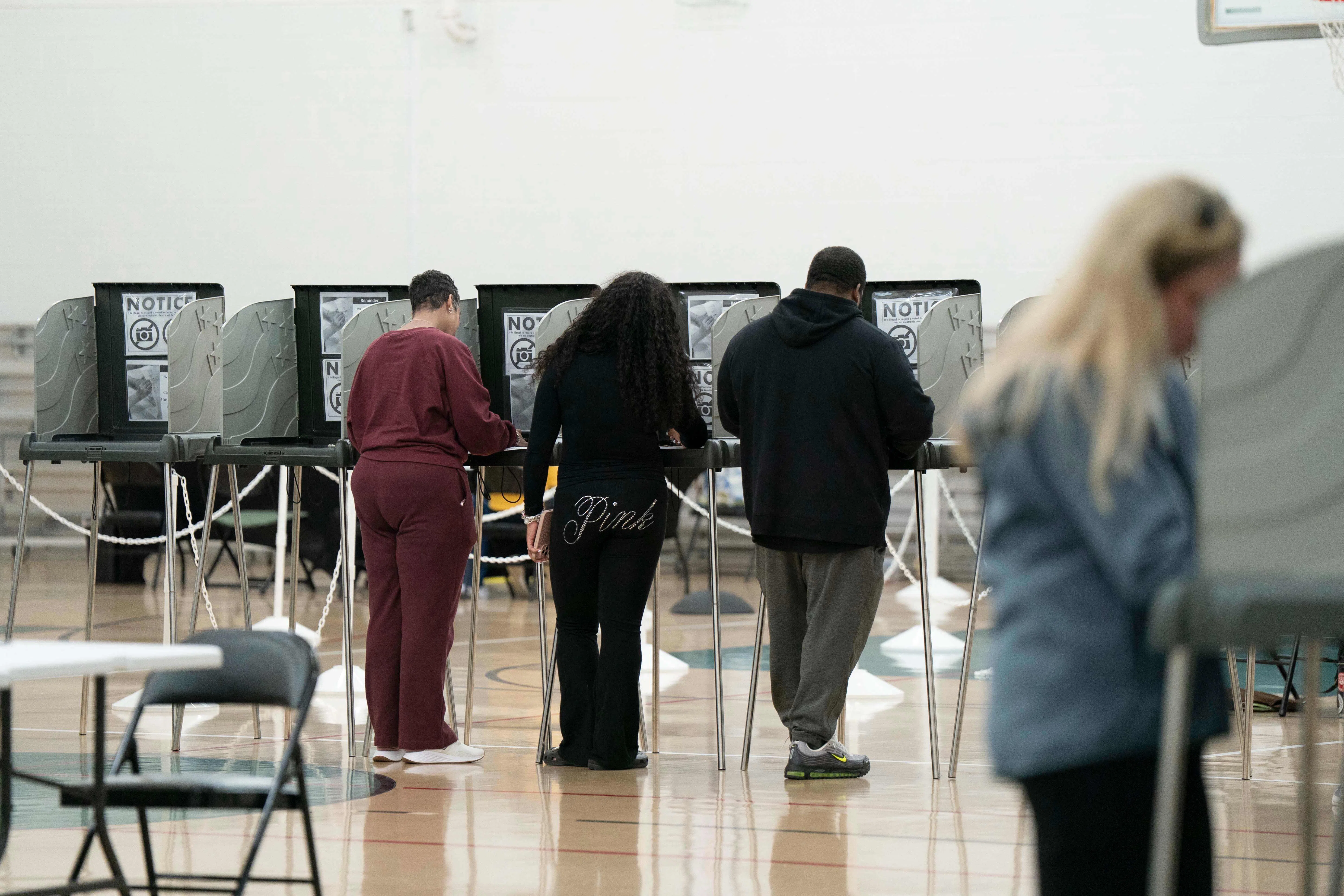
Data from the Election Lab at the University of Florida (UF Election Lab), showed that more than 31 million Americans had voted early as of the evening of 26 October.
In states that disclose voters’ party affiliations, 44.8% of early voters were registered Democrats, 30.9% were Republicans and 24.3% were members of minor parties or independents.
Although Republicans have traditionally preferred to vote on election day, some Republican strategists have voiced fears of a “red undertow” this time: Republican voters unhappy with high petrol prices, the US-Iran conflict and Trump’s tariff policies may simply stay home.
This would have added to the current Democratic “blue wave” sweeping Congress.
War disrupts Republican plans as redistricting backfires
Republicans began preparing early to minimise their seat losses, seeking an advantage through redistricting and changes to voting rules, among other measures. But their plans were thwarted by mounting public discontent.
Last year, Trump pressured the Texas legislature to redraw electoral boundaries in an attempt to help Republicans wrest five House seats from Democrats. Several other red states, as well as Democratic-led blue states, subsequently followed suit.
However, Republicans redrew the boundaries based on the results of the 2024 general election. The political mood has since shifted, and some voters who backed Trump two years ago may now vote for Democrats or not vote at all. The carefully constructed “red wall” is now crumbling.
According to analysis by Cook Political Report, the median projected outcome of redistricting is a net gain of about three seats for Republicans. But if the blue wave becomes a tsunami, redistricting could instead give Democrats a net gain of two seats.
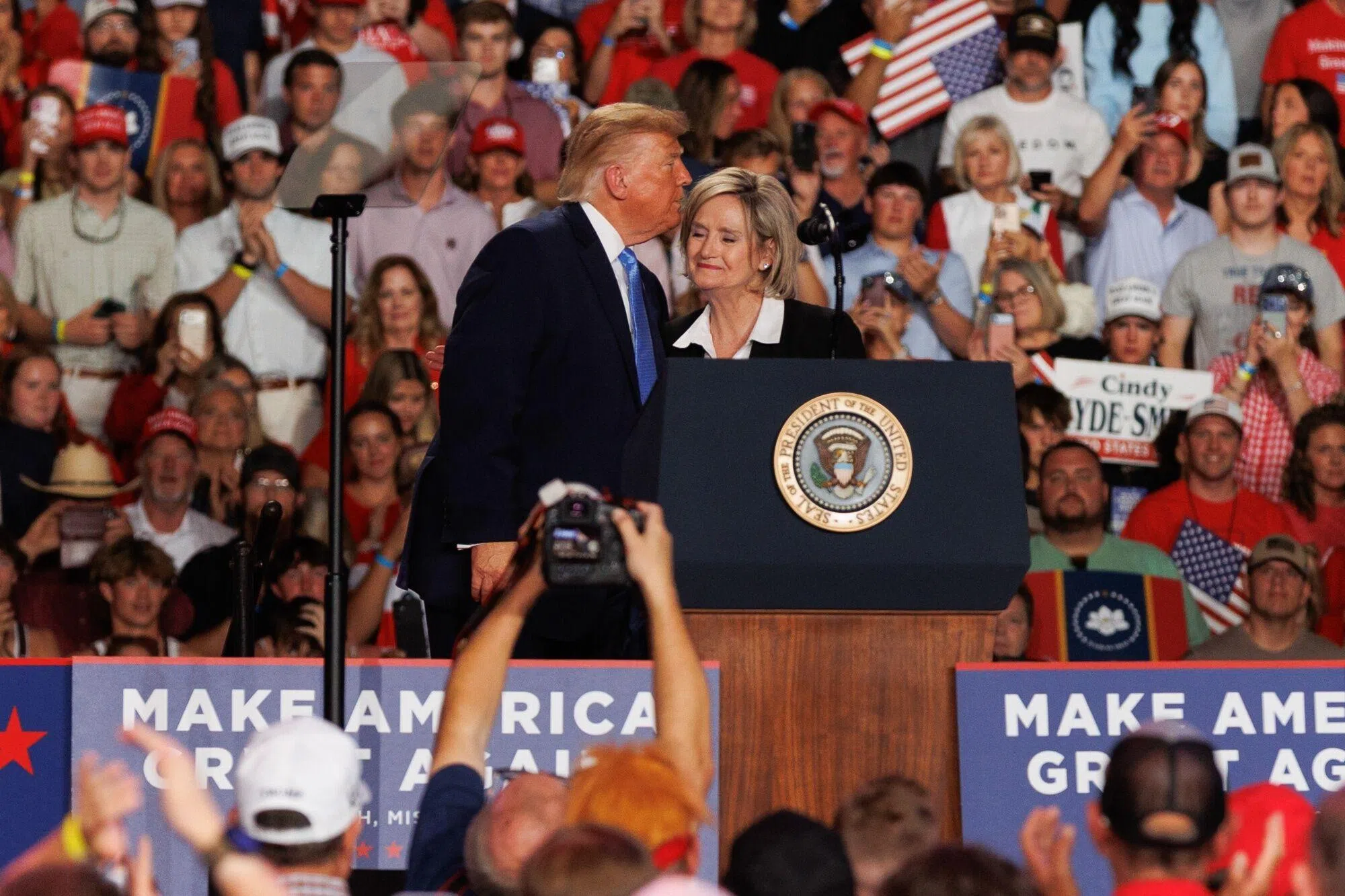
With the electoral prospects of Republicans looking increasingly precarious, Trump has stepped up his efforts in recent weeks. He has promised cash payments to adults nationwide if Republicans retain control of Congress and signed a series of executive orders aimed at easing voters’ cost-of-living pressures.
However, a poll by political news website Politico found that most voters said they would be no more likely to vote Republican even if Trump ended the Iran war, lowered petrol prices or created 100,000 jobs before the midterms.
Trump accepts a Republican defeat
The tight contests have sharply intensified the battle for campaign funds, potentially making this the most expensive midterm election on record.
Advertising tracker AdImpact forecasts total political advertising spending of US$11.6 billion (about S$14.6 billion), surpassing the US$8.9 billion record set in the 2022 midterms. As of 26 October, advertising spending in the Kansas Senate race had reached US$84.5 million, a surge of 3,332% from 2022.
An AFP analysis of US Federal Election Commission data found that the top 15 donors in this election had contributed more than US$1.5 billion.
Among them, the world’s richest man and staunch Republican backer, Elon Musk, has donated more than US$365 million. This is the largest individual contribution in a single election cycle since the US began allowing unlimited election spending in 2010.
Trump has accepted the midterm rout for Republicans, negating concerns voiced by Belt that he might use the Republicans’ loss “to obstruct vote counting and challenge results in court, which will very much inflame the partisan divisions in the country.”
Moreover, Cal Jillson, a professor of political science at Southern Methodist University in Texas, believes large-scale political violence is unlikely in this election.
He told LHZB, “If there is violence, it will be isolated because more and more Americans are just tired of Trump.”
Jacobson also said, “Americans are already so polarized over Trump that new incidents probably won’t make divisions any worse, but they will make it more difficult to reduce them.”
Results could reshape both parties’ internal dynamics and futures
Despite the controversies that have dogged Trump since he entered politics, the businessman-turned-politician has remained the Republican Party’s central figure. That could begin to change after these midterms.
Jacobson said Trump would inevitably become the main target of blame for the Republican party’s crushing defeat, as his tariff policies and the Iran war had fuelled inflation and alienated voters.
In that situation, “Republicans will see him as the past rather than the future and so be less willing to defy general public opinion to support him.”
Jillson and Belt also believe Republicans will begin looking for a new leader after the election, especially if given the decisive win for Democrats.
“Trump’s control of the party will begin to fade as Republicans look beyond Trump to who might be their presidential nominee in 2028,” said Jillson.
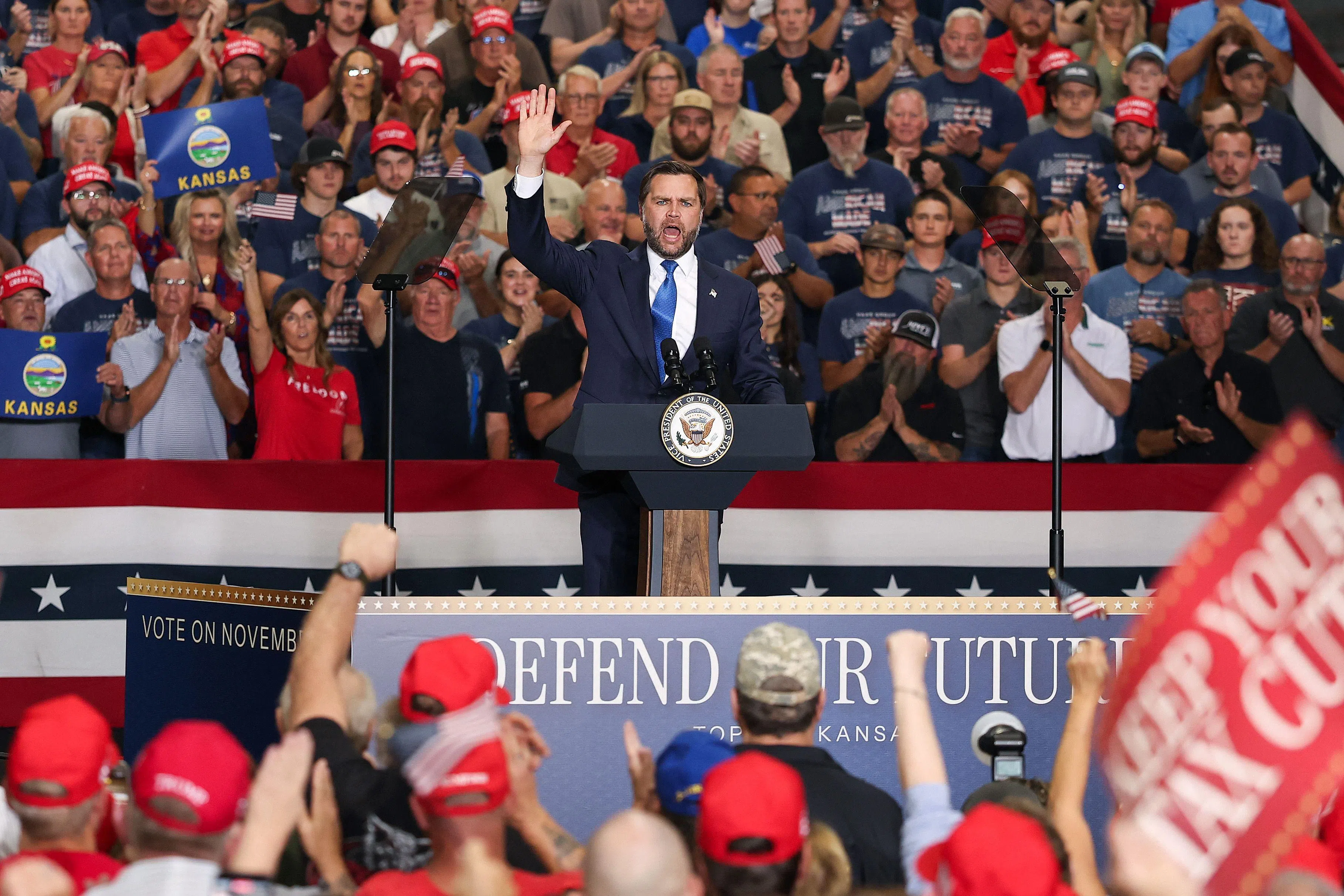
Vance is seen as a strong contender to inherit Trump’s political mantle, but their political identities are closely intertwined. A decisive Democratic victory driven by voters’ aversion to Trump would also cast a shadow over Vance’s presidential ambitions.
Trump nevertheless retains the support of the Republican grassroots base. Republicans with White House ambitions would struggle to win the party’s nomination if they directly attacked his legacy or fell out with him.
“Republicans will have to fight their way free of Trump before they can acknowledge their next presidential nominee as the leader of the party,” said Jillson. “Trump will resist that to his last breath.”
Trump recently raised the prospect of seeking a third term again in a joking tone. But with the US Constitution strictly limiting anyone to two presidential terms, the idea has almost no prospect of becoming reality.
For Democrats, these midterms are also a crucial opportunity to reshape the party’s internal balance of power and policy direction. Belt said that the strong gains by progressives could encourage more progressive figures to run for president, potentially taking more left-wing positions.
Jacobson cautioned, however, that Democrats’ current momentum stems from voters’ dislike of Trump and his policies, rather than renewed affection for the party. Without Trump as a target in the 2028 general election, Democrats may no longer have an advantage.
Democrats must provide concrete evidence that they can devise and implement policies to address voters’ chief concerns, including inflation, living costs and corruption, according to Jacobson. But delivering results will be difficult while Trump remains in the White House with the power to veto legislation.
Prior to the midterm elections, House Democratic leader Hakeem Jeffries said that if Democrats secure a House majority, they will work to overturn Trump’s tariff policies, end the US war against Iran and restore health insurance subsidies.
However, Jacobson noted that even with full control of both chambers of Congress, Democrats would need at least another two years and a Democratic president before they could begin to reverse the deep damage Trump has inflicted on the country’s institutions and rule of law.
US domestic and foreign policy likely to remain unstable
Congress controls federal legislation and spending, while the Senate also has the crucial power to reject nominations for senior administration officials and federal judges. Democrats winning both chambers will allow them to constrain Trump’s agenda throughout his remaining two years in office.
However, the president can veto legislation, and overriding a veto requires a two-thirds supermajority in both chambers. Even with the Democrats winning both, they will struggle to change the direction of major legislation.
Washington is therefore likely to remain mired in political confrontation and legislative gridlock over the next two years.
Even so, Democrats will use their congressional majority to make the strongest possible case to voters that they offer a better alternative to the Trump administration and the Republicans. The bills they introduce during this period will lay the policy groundwork for a possible Democratic return to the White House.
As a “lame duck”, Trump may resort more frequently to executive orders and other measures with a more authoritarian character. Frustrated by Democratic constraints, he may become angry and even more brazen in threatening his political opponents.
Foreign policy is the area in which the president has the greatest discretion and faces the fewest direct congressional constraints. Trump can therefore be expected to shift his focus almost entirely to the international stage for the rest of his term.
Even the Republican defeat will not prompt Trump to change his approach substantially.
“Trump will still dominate foreign policy for the next two years and is likely to be as erratic, capricious, and self-serving as he has always been. He may be even more willing to side with Putin and other authoritarian leaders because he will never again face voters,” said Jacobson.
Regarding the economy, the foremost concern of voters, the surge in global energy prices triggered by Trump’s military action against Iran has directly fuelled inflation. His frequent shifts between forceful military intervention and diplomatic mediation have kept the Middle East volatile.
Although Democrats cannot force Trump to end the war, they can constrain him by restricting funding, launching investigations or forcing votes on measures to limit presidential war powers.
As for the Russia-Ukraine war, Trump has largely suspended economic and military aid to Ukraine. Now that Democrats have regained both chambers of Congress, they could push through a fresh aid bill. With broad bipartisan support for Ukraine, such legislation might secure the two-thirds majority needed to override a presidential veto.
Congress has relatively limited room for manoeuvre on trade, leaving Democrats with few options. Trump is expected to maintain his current tariff policies.
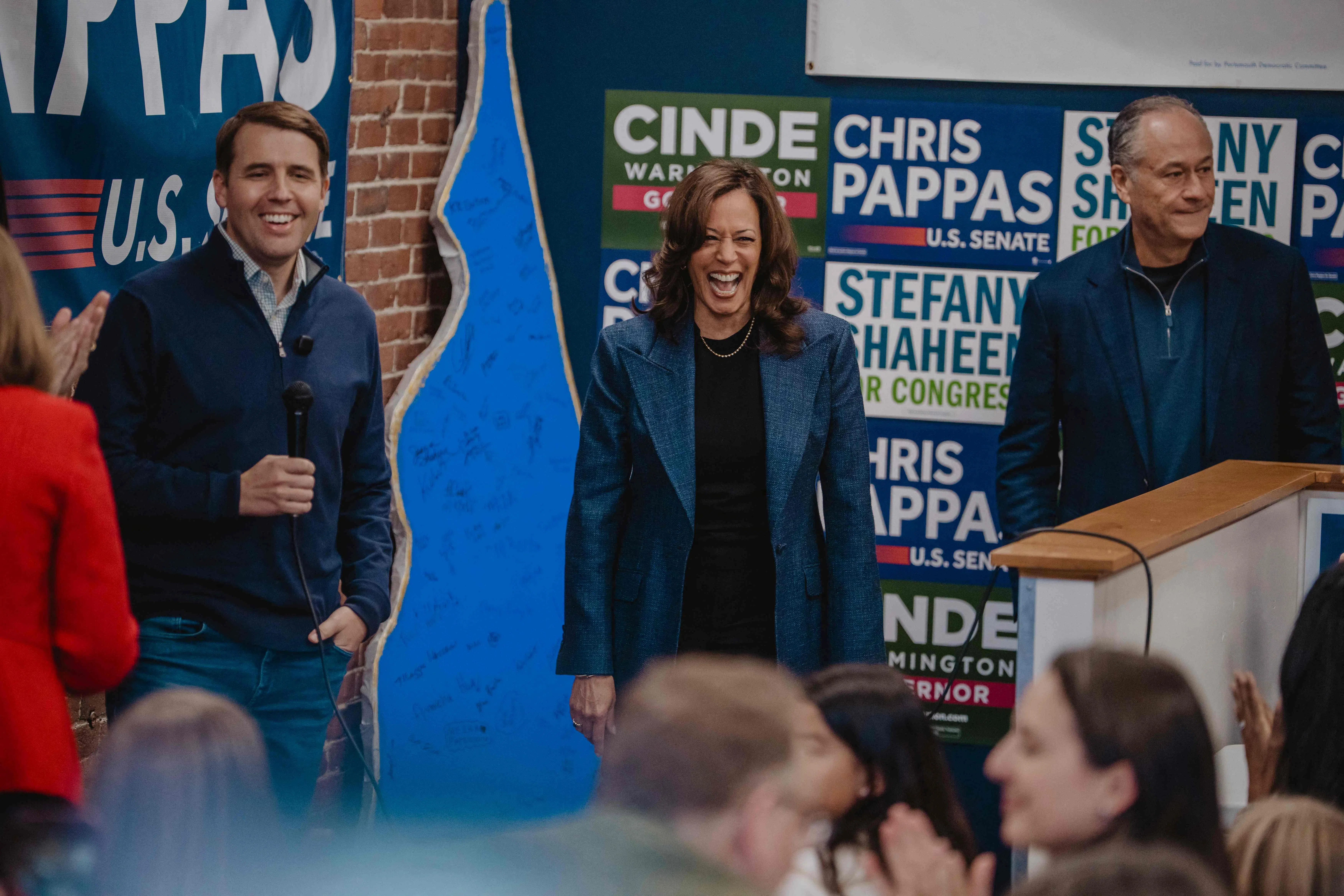
Even if a Democratic-controlled Congress takes a tougher stance on China, Washington’s China policy is not expected to shift significantly, as the president leads foreign affairs.
Though the final balance of power in Congress has now shifted, US domestic and foreign policy will remain unstable during Trump’s remaining two years in office. Jillson said, “But fortunately or unfortunately for Asia, Trump’s attention is on the Middle East and the Russia/Ukraine war.”
