

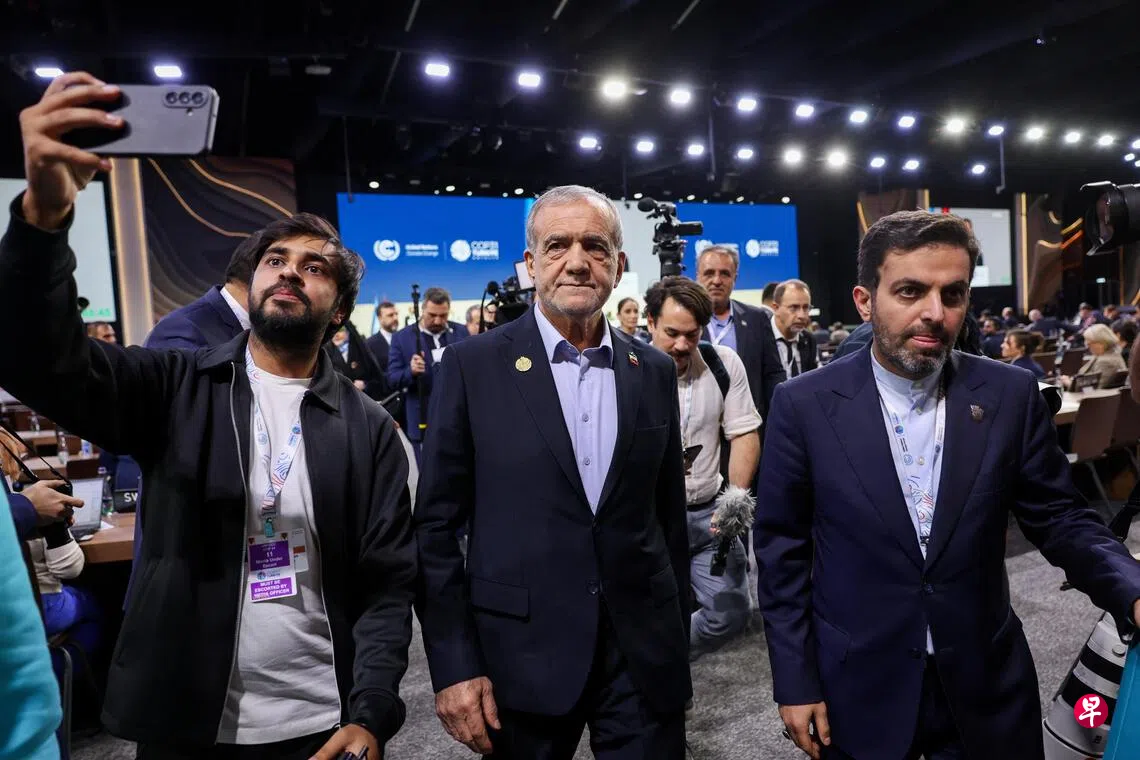
(Antalya, agencies) World leaders attending the 31st UN Climate Change Conference (COP31) in Turkey said wars and trade disputes should not distract the world from tackling global warming. Negotiators are working towards a new agreement to curb climate change.
Brazilian President Luiz Inacio Lula da Silva said on Wednesday (11 November) that climate change had slipped down the global agenda. "We started talking more about weapons and tariffs than the survival of future generations," he said. He stressed that the planet should not be held hostage to power struggles.
Turkish President Recep Tayyip Erdogan also highlighted the need for international solidarity. "Wars, crises, migration, famine and poverty increase the need for international solidarity each day," he said.
UN Secretary-General Antonio Guterres said slow global action on climate change had put the world on a path to self-destruction. With greenhouse gas emissions and global temperatures continuing to rise, and climate disasters becoming increasingly severe, he said all parties must act faster.
"The brutal truth is that the climate crisis is outrunning us. This is the path to mutually assured destruction," he said.
As host of the conference, Turkey proposed that countries increase electricity's share of global energy consumption from about 20% currently to 35% by 2035. Turkey hopes to make expanded electrification a central part of the final agreement and revive efforts to transition away from fossil fuels.
Critics, however, argue that without clearer plans to reduce fossil fuel use, expanding electrification may have only a limited effect on curbing global warming.
Saudi Energy Minister Abdulaziz bin Salman also addressed climate protection measures. "Measures that are aimed at protecting the climate should not constitute barriers facing countries and impeding their achievements of economic development," he said. He argued that the current geopolitical situation underscored the importance of maintaining the free flow of all forms of energy.
Iranian president: US and Israeli attacks caused severe environmental damage
Iranian President Masoud Pezeshkian also accused the US and Israel at the conference of causing severe environmental damage through attacks on Iran. He said an attack on fuel facilities at a major gas field in southern Iran had released about 500,000 tonnes of carbon dioxide, while attacks on fuel storage facilities near Tehran had released another one million tonnes.
He called for a mechanism to hold the US and Israel accountable and demanded compensation for the environmental damage. Although the specific details of these allegations could not be independently verified, several oil spills have been detected near the shores of Persian Gulf countries.
The US is absent from the conference for the second consecutive year. France, Germany, Japan, Italy and Canada have also not sent their top leaders.
Mohamed Adow, director of African climate and energy think tank Power Shift Africa, said the world's largest economies should lead efforts to tackle the climate crisis rather than leave the responsibility to other countries.
