

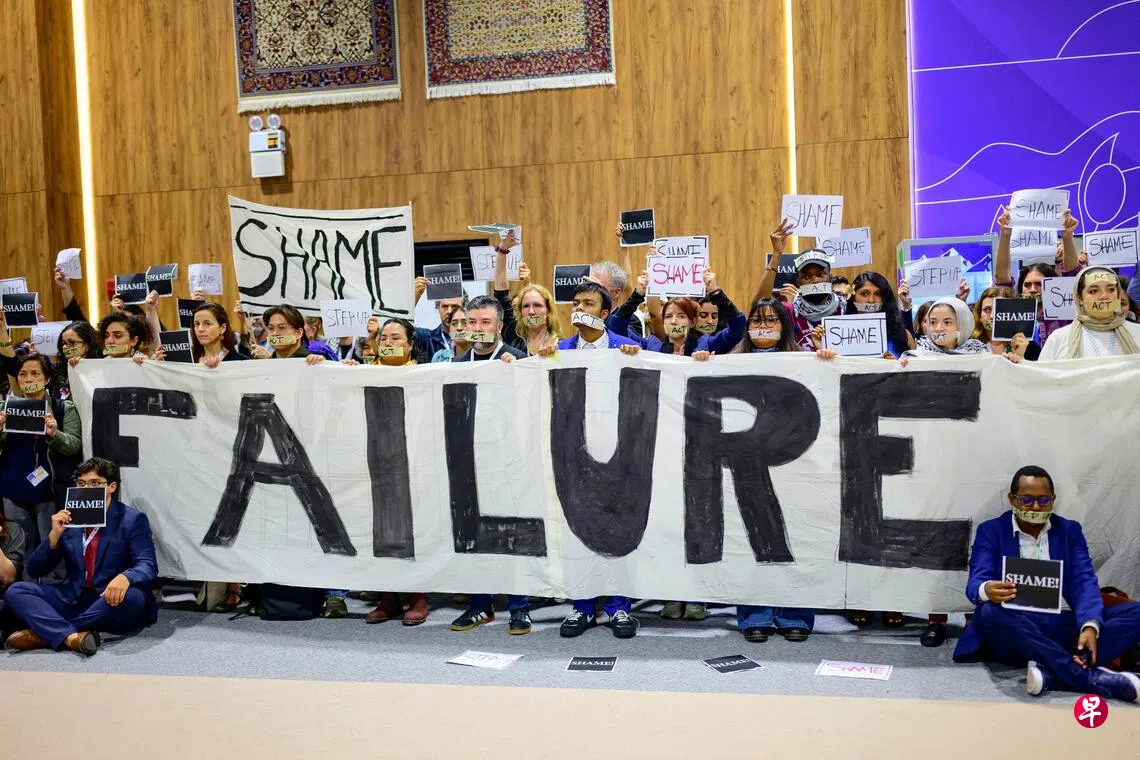
(Antalya, agencies) The 31st UN Climate Change Conference (COP31), which was due to close on Friday (20 November), extended negotiations into Saturday (21 November) after countries failed to reach agreement on key issues.
After two weeks of arduous negotiations in Turkey, representatives from nearly 200 countries remained locked in a fierce tussle over a contentious draft agreement that avoids mentioning fossil fuels, highlighting deep divisions over national priorities in tackling global warming.
Australia, a co-host of COP31, is racing to draw up a third draft agreement to bridge differences between countries. COP31 president Murat Kurum, Turkey's environment minister, said late on Friday: “We are close to the finish line, but we are not there yet.”
A revised draft released on Thursday (19 November) removed earlier language calling for an accelerated phase-out of fossil fuels. The EU issued a stark warning that adopting this version “risks turning this climate COP into a fossil summit”.
More than a dozen countries, including France, Panama and the Solomon Islands, issued a joint letter on Friday insisting that the agreement must include a commitment to “a clear transition away from fossil fuels”. Panama also threatened to walk out of the talks if its demands were not met.
The revised draft also proposed raising electricity's share of global final energy demand to 35% by 2035, but did not explicitly require the additional electricity to come from renewable sources, prompting questions from some countries.
Climate finance is another key sticking point in the negotiations. The draft dropped a US$120 billion (nearly S$155 billion) target for climate adaptation funding, angering developing countries.
Ghana's environment minister, Zanetor Agyeman-Rawlings, said: “We didn't come here to beg...... The (African) continent will not accept an outcome that offers declarations without the resources to deliver them.”
