

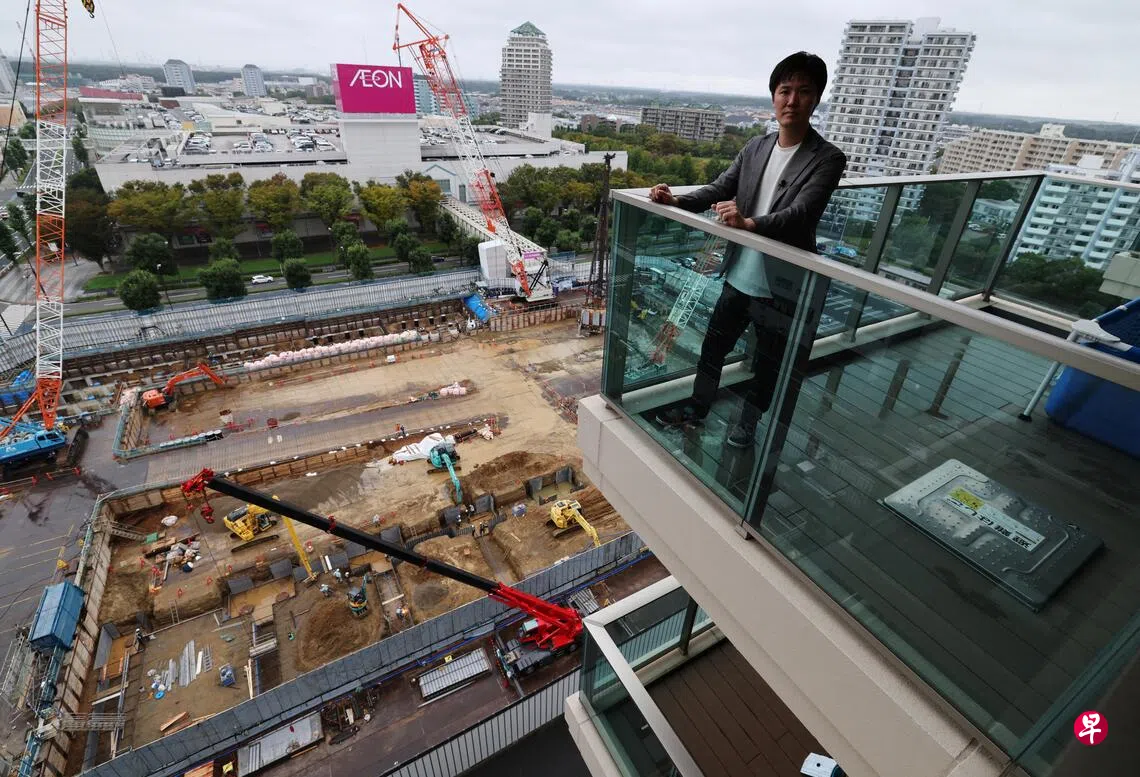
(KASHIWA, Reuters) Japan’s light-touch regulation and political stability have made it a hotspot for data centre investment. But about 60% of the country’s data centres are concentrated in and around the densely populated Tokyo metropolitan area, home to 37 million people. Growing local opposition to their construction is prompting the government to reassess an industry it has pinned high hopes on to drive economic growth.
With data centres being built ever closer to residential areas, the Japan Data Center Council and several local governments, including the Tokyo metropolitan government, drew up construction guidelines this year. An action plan aimed at preventing disputes involving data centres is also expected to be finalised by the end of the year.
In Kashiwa, about 30 kilometres from central Tokyo, two data centres as tall as 10-storey apartment blocks have been built in front of the home of 76-year-old resident Susumu Goto.
The data centres test their backup generators at least once a month, producing a jet-engine-like whine and spewing black smoke, with the acrid smell of burning fuel filling the air. Goto said: “I can’t stand the noise, so I close the windows or leave the house to escape it.”
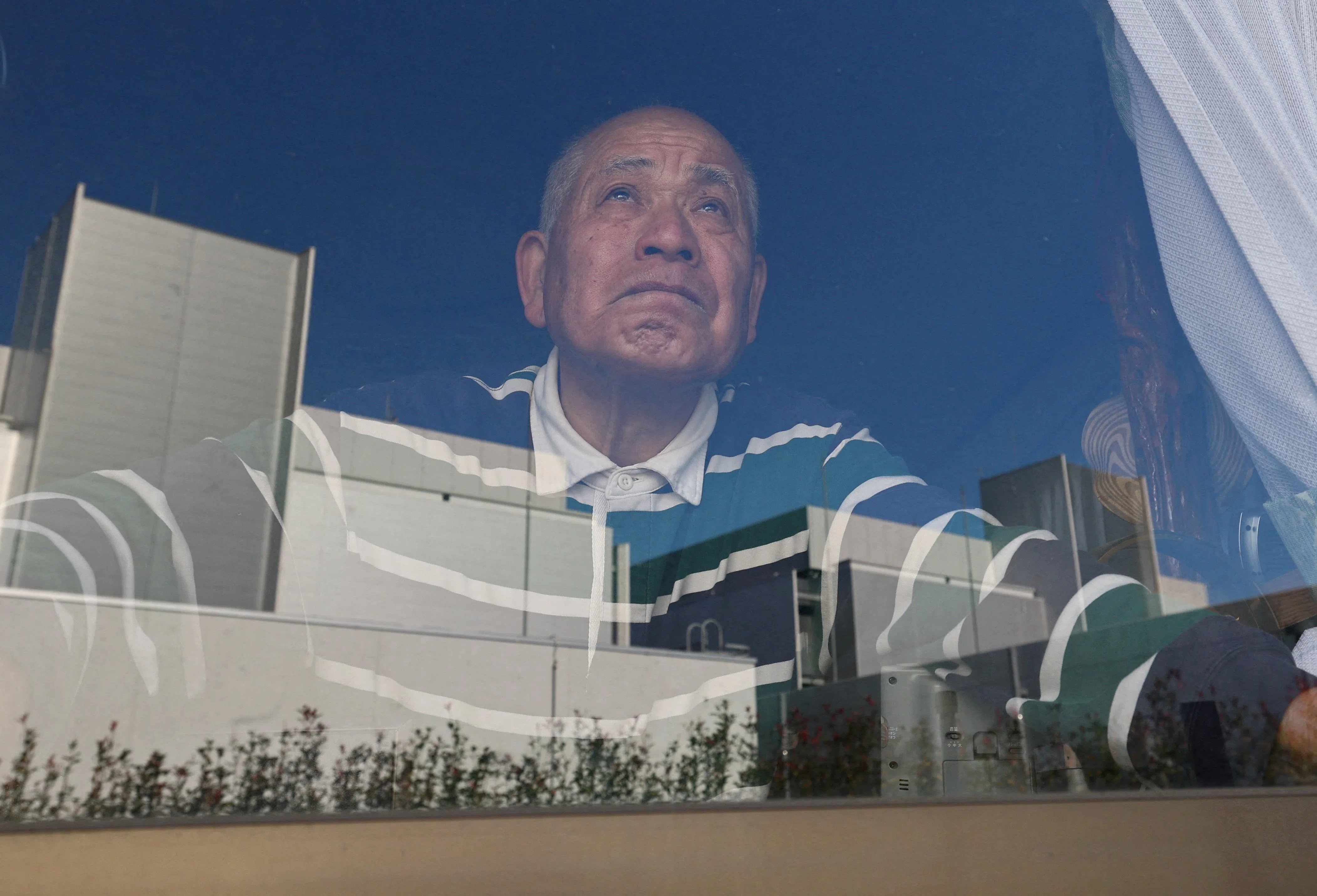
The generators are tested whenever a new tenant moves into the data centres. Over the past two months, they have run for a total of about 110 hours. Two more data centres are planned for the area, meaning the tests will only become more frequent.
In Tokyo’s Koto Ward, Singapore-headquartered Empyrion Digital plans to build a 51-metre-high data centre, scheduled for completion in 2029. The facility will store 1.2 million litres of heavy fuel oil underground, enough to fill three 25-metre swimming pools.
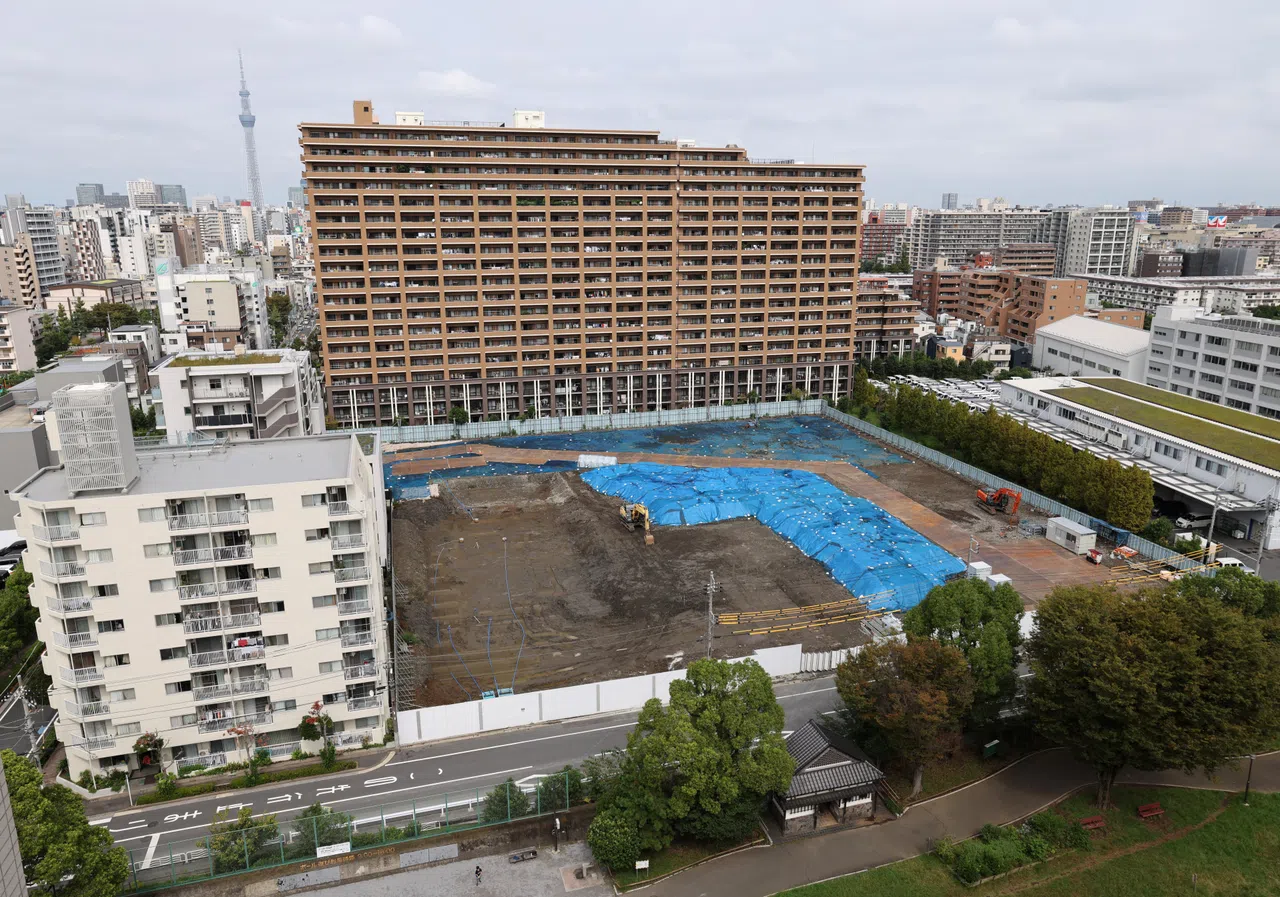
Koto Ward is prone to flooding and is also classified as one of Tokyo’s highest-risk areas for earthquakes. Resident Ayano Sasaki said: “It’s incredible that something like this can be built here without any special regulations.”
Koto ward residents have petitioned the Tokyo metropolitan government to introduce binding regulations covering data centre noise, heat emissions, fuel safety and siting.
In Inzai city, between Tokyo and Narita Airport, UK-based Colt Data Centre Services began building a 32-megawatt data centre this year just 11 metres directly in front of resident Junichi Takeda’s apartment.
Takeda and other residents have sued the Inzai city government and Japan ERI, a government-authorised building inspection and certification body. They argue that the data centre project was wrongly approved as an office facility and could not have been built at the site had it been classified as a factory or warehouse.
Satoshi Oikawa, a lawyer representing Takeda and the other residents, said: “Japan hasn’t established the proper laws. That’s why you’re seeing huge data centres being planned in residential areas or in front of train stations. That’s threatening people’s lives, and their rights. It’s a big problem.”
