

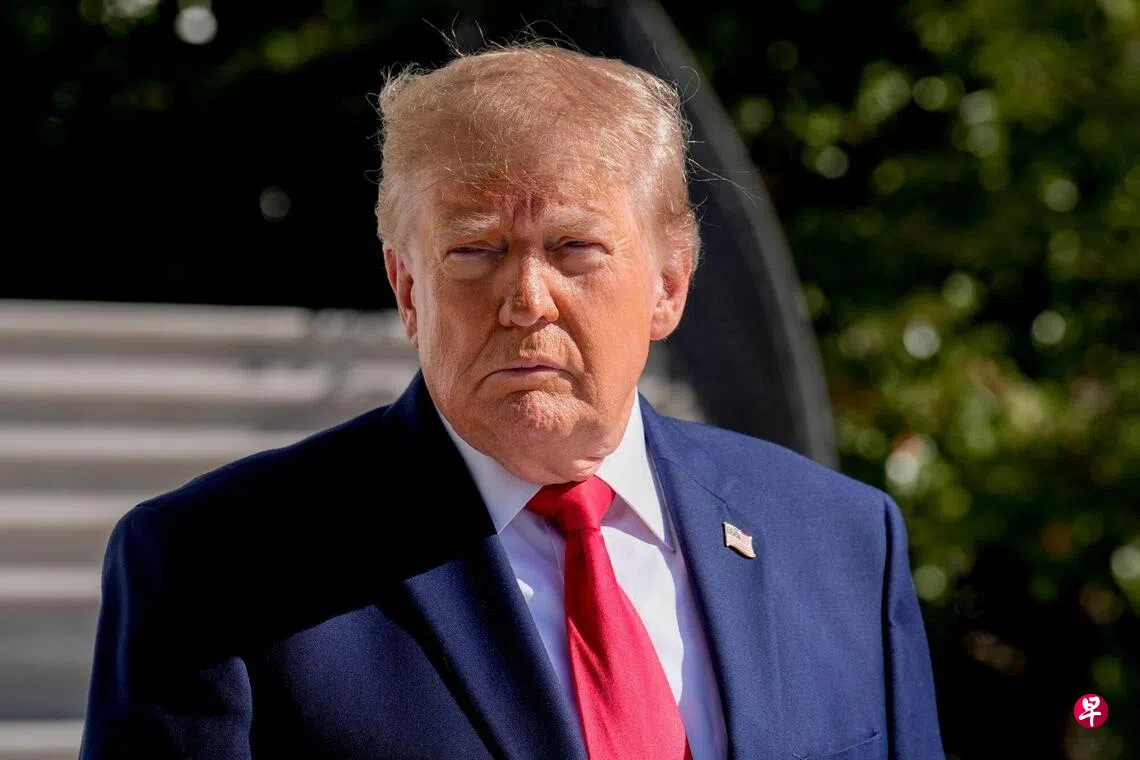
US Democrats have ridden a “blue wave” in the midterm elections, not only regaining control of both houses of Congress but also capturing a string of traditional Republican strongholds.
While US President Trump said he accepted the results and was willing to work with the Democrats, he also threatened to use his veto. Academics interviewed said Trump could become an “angry duck”, with political battles in Washington likely to intensify over the next two years.
1. Was this a “political tsunami”?
In the US midterm elections on Tuesday (3 November), Democrats not only won key swing states but also made inroads into traditional Republican strongholds, redrawing the political map in several states.
Trump won both Texas and South Carolina by more than ten percentage points in the 2024 presidential election, but Democrats have now captured Senate seats in both states. Democrats also secured their first Senate election victory in Kansas since 1932.
Democrats gained support in areas across different income and education levels. Some Republican members of the House of Representatives who secured re-election also saw their winning margins narrow significantly.
Adrian Ang U-Jin, a research fellow and coordinator of the US Programme at Nanyang Technological University’s (NTU) S. Rajaratnam School of International Studies, told Lianhe Zaobao (LHZB) that the Democratic victories extended beyond congressional elections to races for governor.
Even the governorship of Texas, long held by Republicans, changed hands, making this a "political tsunami".
2. Will Trump become a “lame duck”?
When the new Congress takes office next January, Democrats will take the lead in setting its legislative agenda and negotiating funding. A Democratic-controlled Senate can also block the president’s nominees for senior government positions and federal judgeships.
However, the president retains the power to veto legislation, which Congress can override only with a two-thirds majority in each chamber. Even if major domestic legislation is blocked, Trump can still use his executive powers to advance policy.
Kevin Chen Xian An, an associate research fellow with the US Programme at NTU’s S. Rajaratnam School of International Studies, noted that Trump declared a national emergency during his first term to divert military funds towards building a wall along the US-Mexico border, bypassing congressional resistance to funding the project.
“Trump is more likely to be an ‘angry duck’ than a traditional ‘lame duck’,” said Chen.
3. Will US policy towards China change course?
The academics interviewed generally agreed that US-China strategic competition is one of the few issues on which there is bipartisan consensus in Washington, and that the broad policy direction is likely to remain unchanged.
Associate professor of American politics and foreign policy at the University of Sydney’s United States Studies Centre David Smith said Democrats may even be more hawkish than Republicans on restricting China’s access to advanced technology and defending Taiwan’s security.
Ang expected that a Democratic-led Congress would not only push for tough legislation on trade, tariffs and technology restrictions, but also press the administration to proceed with delayed arms sales to Taiwan.
4. Will ASEAN have more room for manoeuvre?
As the US president retains primary authority over foreign policy decisions, Chen believes Washington’s pressure on its partners to “choose sides” between the US and China is unlikely to change because of this election.
Ang noted that stable US-China relations would give ASEAN countries more room to manoeuvre amid strategic competition between the two powers, provided Beijing and Washington both recognised the importance of a rules-based international order.
Michael Cornfield, a senior fellow at George Washington University’s Center for Excellence in Public Leadership, said it would take at least a few months for new policy directions to become clear at the US national level, and that countries in the region would do well to move slowly and observe developments first.
5. What does this mean for the 2028 presidential election?
The impact of this blue wave extends beyond Trump’s remaining two years in office and could reshape the contest for the presidency in 2028.
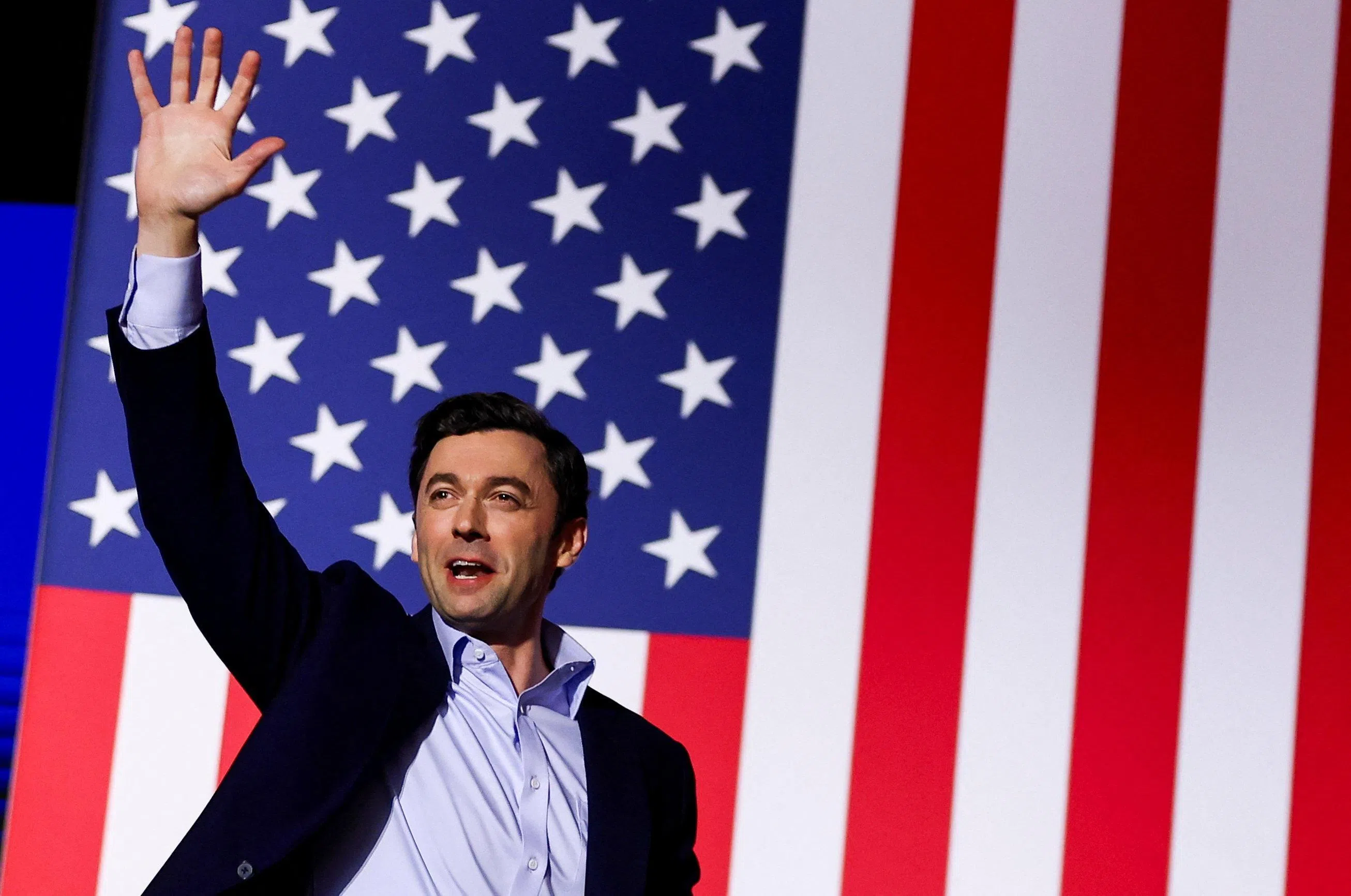
Georgia Senator Jon Ossoff, 39, won re-election by a clear margin in a swing state that backed Trump in the 2024 presidential election, fuelling speculation that the rising Democratic politician could run for president at the next election.
With Trump barred by the US Constitution from seeking another term, Republicans will inevitably have to address the question of succession.
Ang believes Vice-President JD Vance, Secretary of State Marco Rubio and others seen as harbouring presidential ambitions will have to reassess whether to distance themselves from Trump, and how far to do so.
