

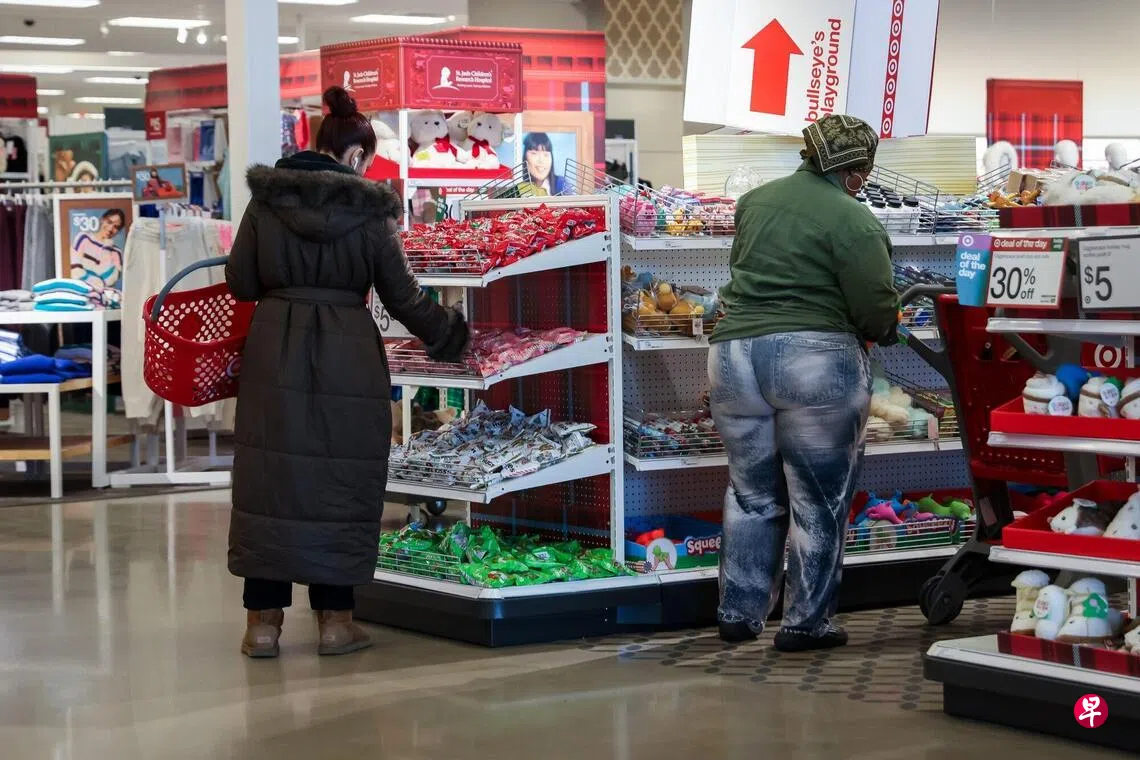
As the 2026 Black Friday shopping season gets under way, a markedly different picture of consumer spending is emerging in the US retail market. With high inflation, weak consumer confidence and the US-Iran war driving up living costs, careful budgeting is setting the tone for American households this year, with everyday essentials sharing space in shopping baskets with traditional holiday gifts.
Industry analysts say basic necessities such as T-shirts, shampoo, toiletries and pet supplies are featuring as prominently as holiday gifts in shopping baskets this Black Friday. Vivek Pandya, director of digital insights at technology company Adobe, noted that holiday shopping once brought to mind luxury goods such as designer handbags and jewellery. Now, consumers are increasingly using Black Friday discounts to stock up on everyday essentials.
Meanwhile, artificial intelligence (AI) tools are fundamentally reshaping how people shop. Many consumers are using AI to plan holiday shopping lists, compare product styles and delivery dates, and search online for the best prices. The promotional season has also become much longer, as major brands and retailers offer steep discounts online and in stores throughout November.
Despite more considered spending, bricks-and-mortar retail remains resilient. Sensormatic Solutions, which tracks store footfall, said Black Friday remains the busiest day of the year for physical stores, supported by a large base of shoppers who uphold the tradition. Retailers large and small are also using the occasion to boost year-end sales and attract new customers.
Grant Gustafson, the firm's head of retail consulting and analytics, said that although people are visiting stores less often this year and shifting from impulse buying to more purposeful, planned purchases, Black Friday remains an important occasion for bricks-and-mortar stores.
