

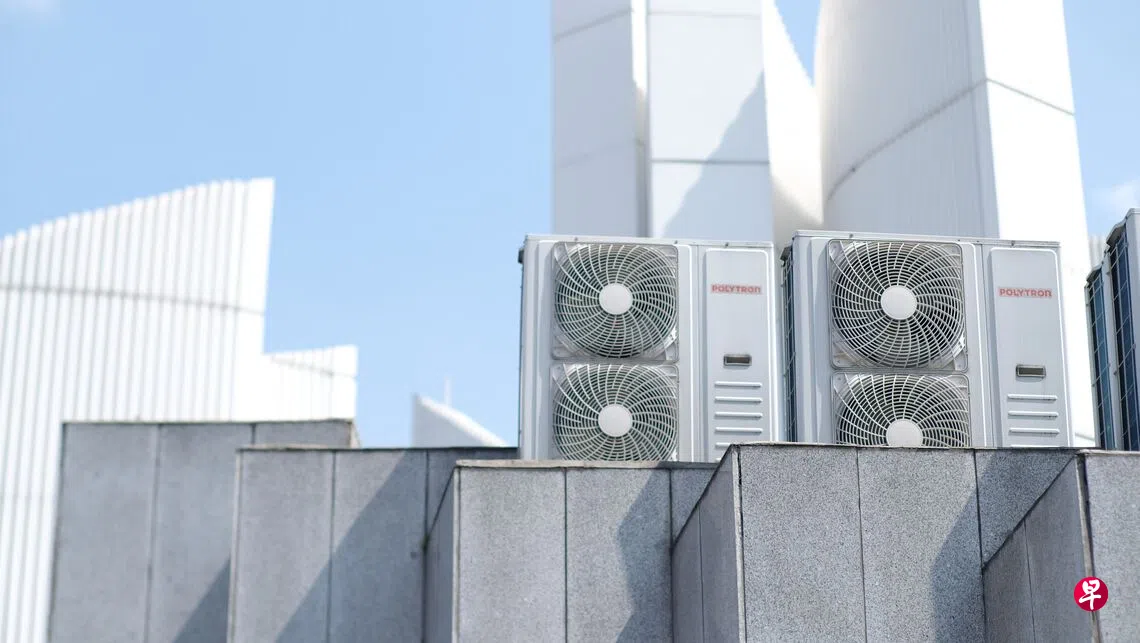
Global demand for cooling in buildings has overtaken demand for heating for the first time, as rising incomes and temperatures drive a surge in air-conditioning use, Bloomberg reported, citing the International Energy Agency.
In its World Energy Outlook (《世界能源展望》) report released on Thursday (19 November), the International Energy Agency (IEA) said unusually hot summers in traditionally cooler regions such as Europe had accelerated the shift. In all three scenarios examined in the report, cooling accounts for more than 40% of the increase in useful energy demand by 2035.
Useful energy demand refers to the energy actually used to cool or heat homes, power cars and run household appliances, rather than the total energy required to produce it.
The trend extends beyond the tropics. The IEA said extreme heat in Europe this summer was estimated to have caused 50,000 deaths, while August was the hottest month ever recorded globally. With factors including an unusually strong El Nino, 2026 is expected to be among the hottest years on record.
There is still room for cooling demand to grow. In emerging and developing economies outside China, about 85% of households experience high temperatures, but fewer than one in five have air conditioning. The IEA expects the global floor area requiring cooling to exceed that requiring heating by the middle of this century.
Surging electricity demand is also changing countries’ power generation outlooks. The IEA expects Southeast Asia to record the world’s largest overall increase in energy demand, and therefore forecasts that governments in the region will use coal for longer than previously expected.
The IEA believes the world will be unable to keep warming within the threshold set by the Paris Agreement. All three of its scenarios show that global temperatures are likely to exceed 1.5 degrees Celsius above pre-industrial levels, echoing earlier warnings from the UN.
