

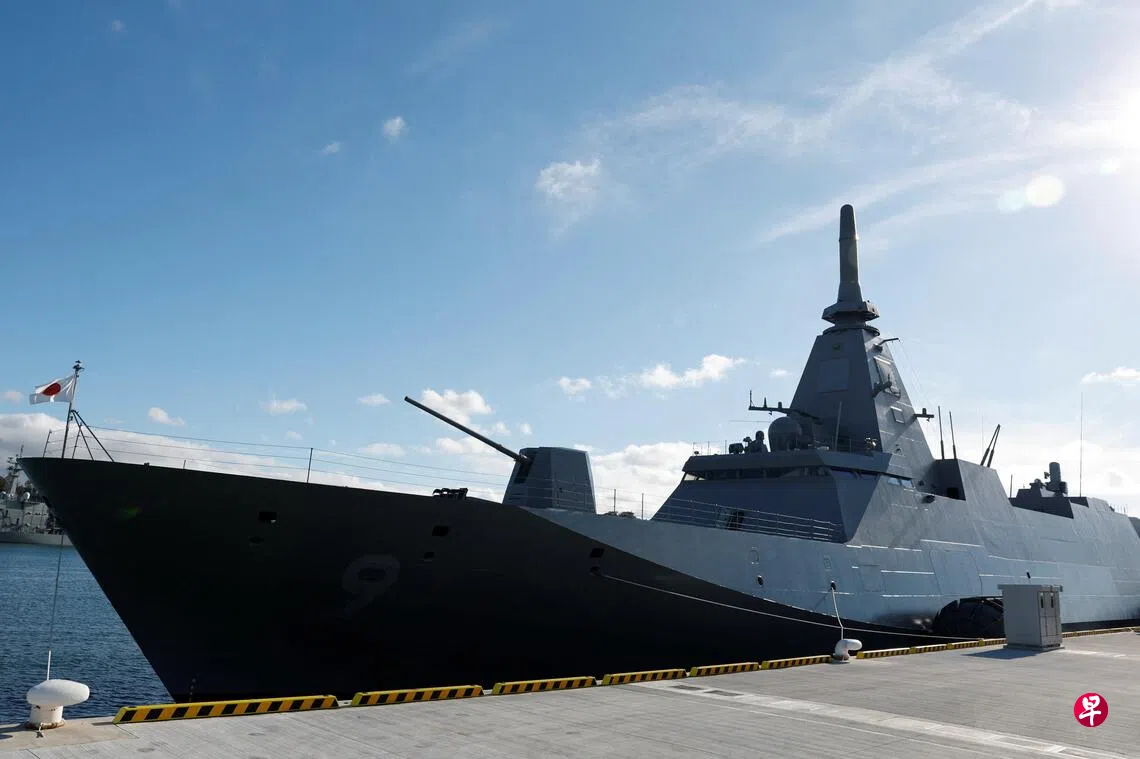
(Tokyo, agencies) Japan’s government plans to propose a study on acquiring nuclear-powered submarines and allow nuclear weapons to be brought into the country in emergencies when it revises its three key security documents at the end of the year, drawing strong opposition from civil society groups.
Kyodo News, citing sources familiar with the matter, reported that the draft revisions would explicitly call for the government to reach an early conclusion on whether to acquire nuclear-powered submarines. Related work is expected to begin in the early stages of a five-year plan starting in the 2027 financial year, which begins next April. The necessary funding will be classified as “survey and research expenses”.
While the draft upholds the three non-nuclear principles of not possessing, producing or permitting the introduction of nuclear weapons, it also explicitly sets out an exception, allowing nuclear weapons to be brought into Japan in emergencies.
The report said senior Japanese government officials favour acquiring nuclear-powered submarines, arguing that they could be fitted with vertical missile launch systems as a way to strengthen counterstrike capabilities.
Although each submarine could cost about 1 trillion yen (S$8.1 billion), supporters believe their ability to remain submerged for long periods would help strengthen deterrence in the face of China’s increasingly assertive actions at sea.
The move immediately sparked a wave of anti-nuclear opposition in Japan. On Friday (20 November), civil society groups submitted a petition with 47,000 signatures to the Ministry of Defence, opposing the acquisition of nuclear-powered submarines and urging the government to abandon the plan.
The petition stressed that Japan, as the only country to have suffered atomic bombings, has long maintained that it bears a responsibility to promote nuclear disarmament. Acquiring nuclear-powered submarines would amount to abandoning that commitment, it said.
North Korea’s Yongbyon expansion could boost annual highly enriched uranium output
As Japan considers easing its nuclear restrictions, North Korea’s efforts to expand its nuclear arsenal have also renewed international concern. The Wall Street Journal reported that satellite images taken on 6 November showed a new extension beside the main uranium enrichment building at North Korea’s Yongbyon nuclear complex.
Although the purpose of the extension remains unclear, Sam Lair, a fellow at the Foreign Policy Research Institute, said it could provide additional administrative office space, house new control equipment or support upgrades to existing centrifuges.
He also said that if the extension were used to house new centrifuges, its size suggested it could produce more than 35 additional kilograms of highly enriched uranium each year.
The report said North Korea’s growing nuclear arsenal has given its leader Kim Jong Un greater confidence to ignore repeated offers of a meeting from US President Donald J. Trump.
Trump had hoped to meet Kim while attending the Asia-Pacific Economic Cooperation summit in China. After concluding his Asia trip on Thursday (19 November), he suggested that his schedule had been too busy to arrange a meeting with Kim.
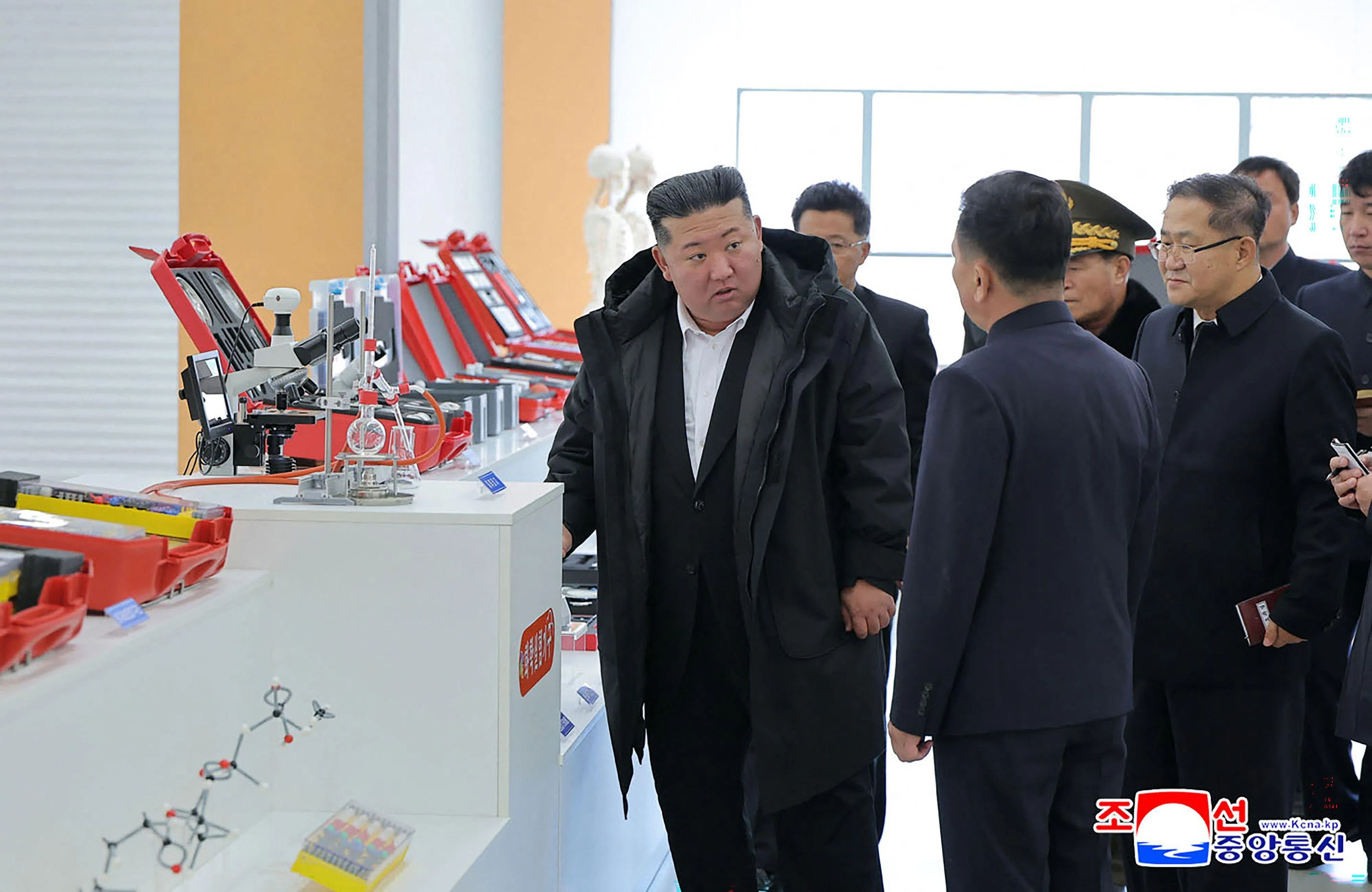
Pyongyang has yet to respond to Trump’s remarks. On Saturday (21 November), the Korean Central News Agency released photographs showing Kim inspecting teaching aids and science classroom equipment at a factory the previous day.
Kim and Trump previously held several summits in an effort to negotiate over North Korea’s nuclear programme, but ultimately reached no concrete agreement.
