

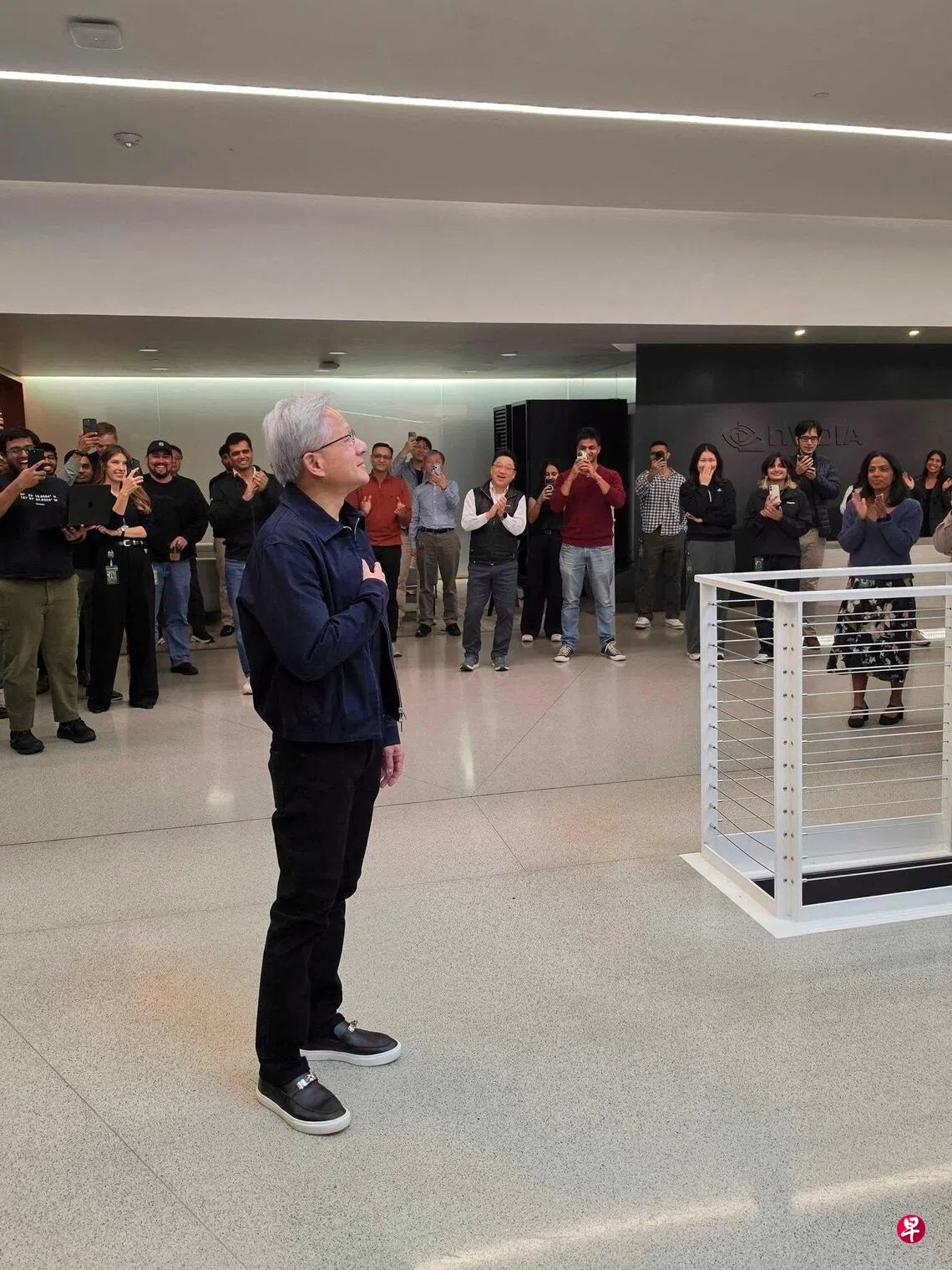
(Washington, agencies) US President Donald J. Trump helped secure Jensen Huang’s reinstatement as NVIDIA chief executive, sparking an uproar in Washington. Democratic leaders vowed to launch a full investigation, while some Republican lawmakers also broke ranks with Trump in a rare move and planned to scrutinise NVIDIA’s decision.
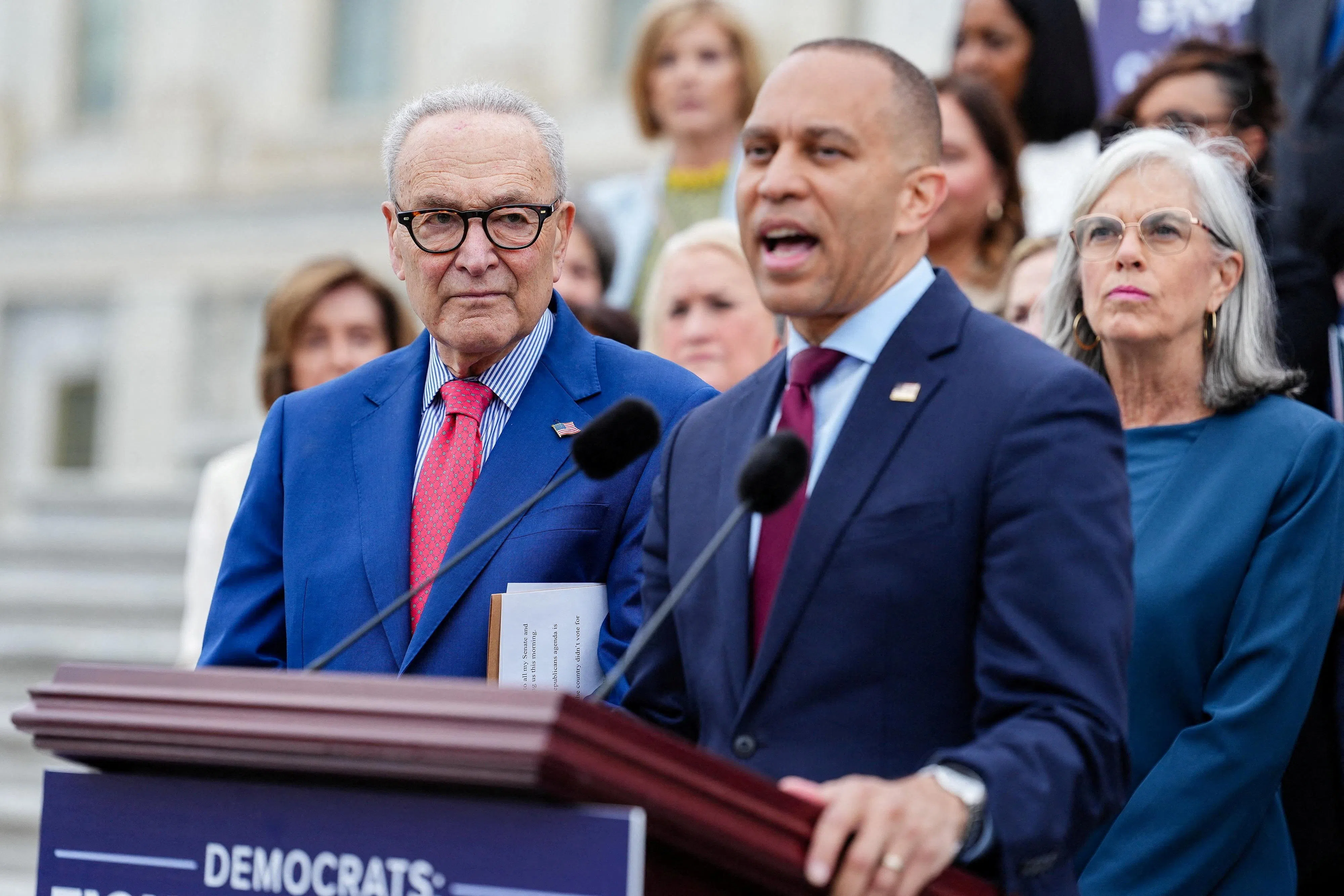
US Senate Democratic leader Chuck Schumer accused Trump of continuing to put his personal financial interests and the needs of his billionaire friends above national security, in a social media post on Monday (23 November).
He said: “Democrats will wield their full power to investigate any wrongdoing by the Trump Administration, Jensen Huang, other NVIDIA executives, and anyone selling out our national security for financial gain.”
Hakeem Jeffries, who will become House Speaker when the Democrats regain control of Congress next year, also issued a statement criticising NVIDIA’s decision to reinstate Huang as “indefensible, irresponsible and incomprehensible”.
Jeffries vowed that Congress would resolutely pursue swift and comprehensive investigations into NVIDIA’s business misconduct and abuses of power by the US Commerce Department and Commerce Secretary Howard Lutnick.
Huang had resigned following revelations of extramarital affairs. One of the women involved was Alice Huang, a former executive at cloud computing company Megaspeed who has been accused of being a Chinese spy. On Monday, NVIDIA’s board decided to reinstate him as president, chief executive and director.
Huang is scheduled to face closed-door questioning by three House committees next Tuesday (1 December) about his relationship with Alice Huang and NVIDIA’s exports to China. He will also testify at a public hearing of the Senate Banking Committee next Wednesday.
Raja Krishnamoorthi, a Democratic member of the House Intelligence Committee, said it remained unclear what information Chinese intelligence agencies might have obtained from Huang. He called for Congress to hold full public hearings on the matter.
Some Republicans reject administration’s claim that NVIDIA national security risks have been resolved
Some Republican lawmakers were also unconvinced by the Trump administration’s claim that national security risks involving NVIDIA had been resolved.
Republican Senator John Curtis noted that NVIDIA’s board had reversed course and reinstated Huang while independent investigations were still under way. He said: “Who in our government weighed in? What did they tell the board? And on what basis did the board conclude there was no risk?”
Tom Cotton, the Republican chairman of the Senate Intelligence Committee, said Congress should investigate the matter while swiftly advancing legislation to tighten the tracking and regulation of advanced artificial intelligence (AI) chip exports.
Another Republican senator, Pete Ricketts, said he and other lawmakers would continue pushing for an investigation into NVIDIA’s conduct under Huang’s leadership. He stressed: “Nvidia’s decision today doesn’t excuse Jensen Huang from testifying before Congress. It also doesn’t absolve Nvidia of answering for national security concerns and unaccounted-for chips.”
Bloomberg, citing people familiar with the matter, reported that Trump and Vice-President JD Vance had previously been briefed on the national security issues surrounding the case, but there was no evidence that Huang had broken the law or compromised national security.
Board reportedly did not consult senior executives before reinstating Huang
NVIDIA’s board is understood not to have consulted senior executives before deciding to reinstate Huang. The executives concerned learnt of the decision only at the last minute.
Huang’s swift return underscores his far-reaching influence on Washington, markets, the AI industry and geopolitics. It has also renewed concerns about technology leaders regarded as irreplaceable.
Nada Kakabadse, professor of corporate governance and ethics at the UK’s Henley Business School, said: “When the CEO is too big to fire, the board's job isn't to fire him. It's to fence him in.”
She said NVIDIA’s board had been right to accept Huang’s resignation, but its decision to reinstate him was weak.
