

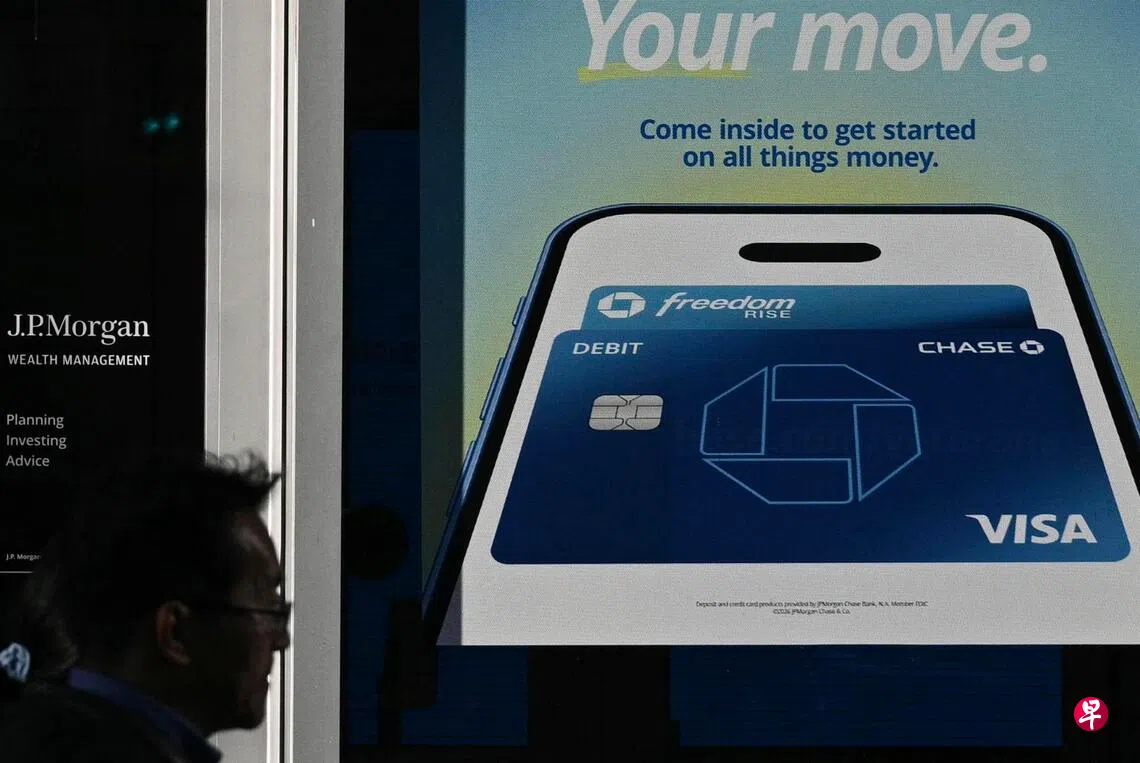
JPMorgan Chase, the largest US bank, and payment giants Visa and Mastercard have disclosed that third-party suppliers providing services to them recently suffered cyberattacks, potentially exposing some customer marketing data.
Visa-related data released by a hacking group on Monday (16 November) suggests that several Asia-Pacific markets, including Singapore, Hong Kong, Taiwan, Japan and Malaysia, may have been affected. All three companies, however, said the breaches were limited to marketing or non-payment data, and that their core payment networks and card security were unaffected.
A JPMorgan Chase spokesperson said preliminary investigations showed that attackers had obtained some marketing data held by a supplier, potentially including customers’ names and email addresses. The bank will contact affected customers directly. The spokesperson also clarified that the data breach was unrelated to a transaction-processing outage earlier this week caused by a software bug.
According to screenshots captured by cybercrime research platform eCrime.ch, cyber-extortion group “n0n” claimed on 16 November to have stolen cardholder engagement and marketing records from the three companies. The group has claimed responsibility for about 200 attacks since becoming active in September this year.
Reuters’ review of the data released by the hackers found that the purported JPMorgan Chase data included what appeared to be 124 employee email addresses and more than 16,000 customer email addresses, some accompanied by phone numbers and postal codes. The suspected Visa leak was concentrated in Asia-Pacific markets such as Singapore and included thousands of customer email addresses and phone numbers. The Mastercard data mainly concerned customers in North America, the Middle East and Africa, along with a small number of employee email addresses. Reuters has not been able to independently verify the authenticity of the data.
In response, Visa said the incident originated at a third-party service provider in the Asia-Pacific region and that its own systems and payment data, including card numbers, had not been compromised. Mastercard also said that only the email addresses of a small proportion of cardholders participating in specific benefits programmes had been exposed, and that its payment network and card services were operating normally.
A recent series of system failures and cybersecurity incidents across the global financial and technology sectors has put regulatory authorities, including the US Treasury Department and the Office of the Comptroller of the Currency, on high alert. These include last week’s nationwide grounding of flights by the US Federal Aviation Administration, a global Microsoft email outage and a cyberattack on cryptocurrency exchange Binance last month.
Industry consultants said consumers often do not distinguish between banks and their suppliers when data breaches occur. Companies must scrutinise more rigorously how much data they share with third parties and whether that sharing is necessary, to guard against reputational risks.
