

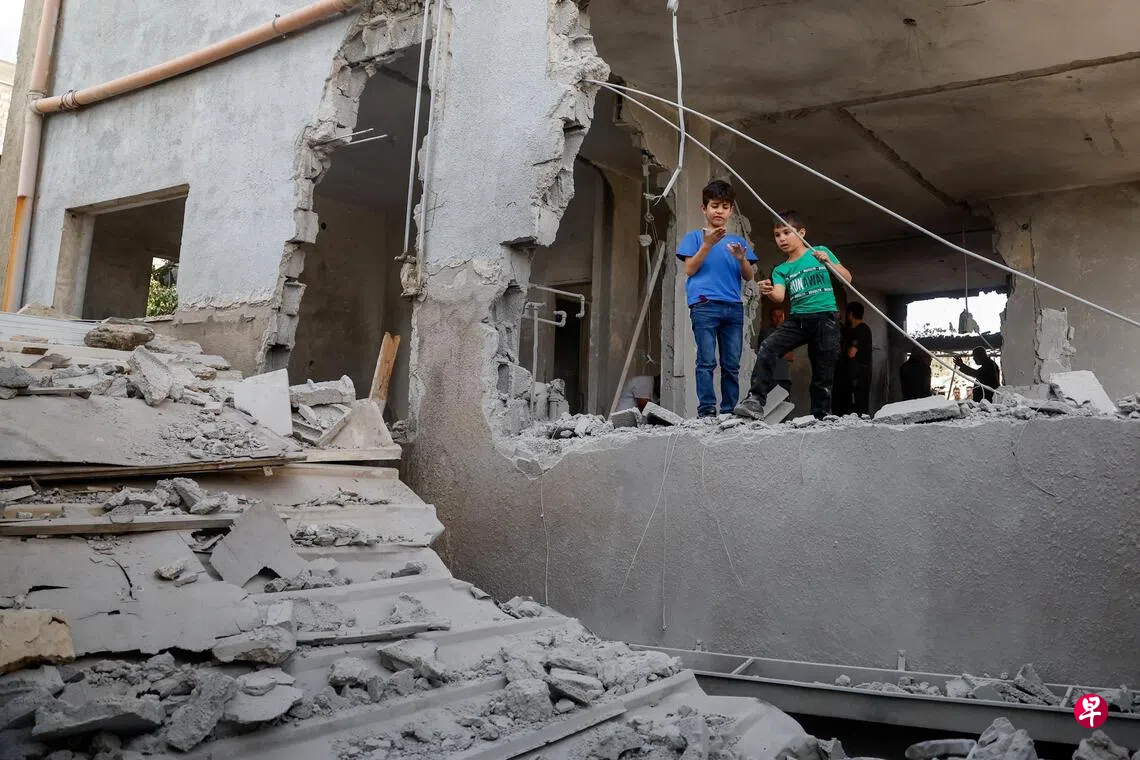
Nearly one in four children worldwide now live in conflict zones, the highest proportion since records began in the 1990s, according to the charity Save the Children.
The London-based charity released its report on Thursday (19 November), citing data from the Peace Research Institute Oslo (PRIO). The report defines a conflict zone as an area within a 50km radius of at least one armed attack.
The data shows that the proportion of children worldwide living in conflict zones has more than doubled from 10% in the mid-1990s to 23.4% in 2025. The number affected has also surged by more than 50% over a decade, rising from 378 million in 2015 to 589 million in 2025.
Africa and the Middle East face the gravest situation, with an average of two in five children in both regions living in conflict zones. Africa has the largest number of affected children, at about 260 million, accounting for 44% of the global total. The Middle East recorded a sharp increase, with the number rising by 29% from 52 million in 2024 to 67 million in 2025.
Save the Children International chief executive Inger Ashing warned that the crisis was expanding rapidly, pushing child protection systems to the brink of collapse.
The researchers called on the international community to take stronger protective measures, warning that otherwise the devastating consequences of war for the education, health and futures of hundreds of millions of children would persist for decades to come.
