

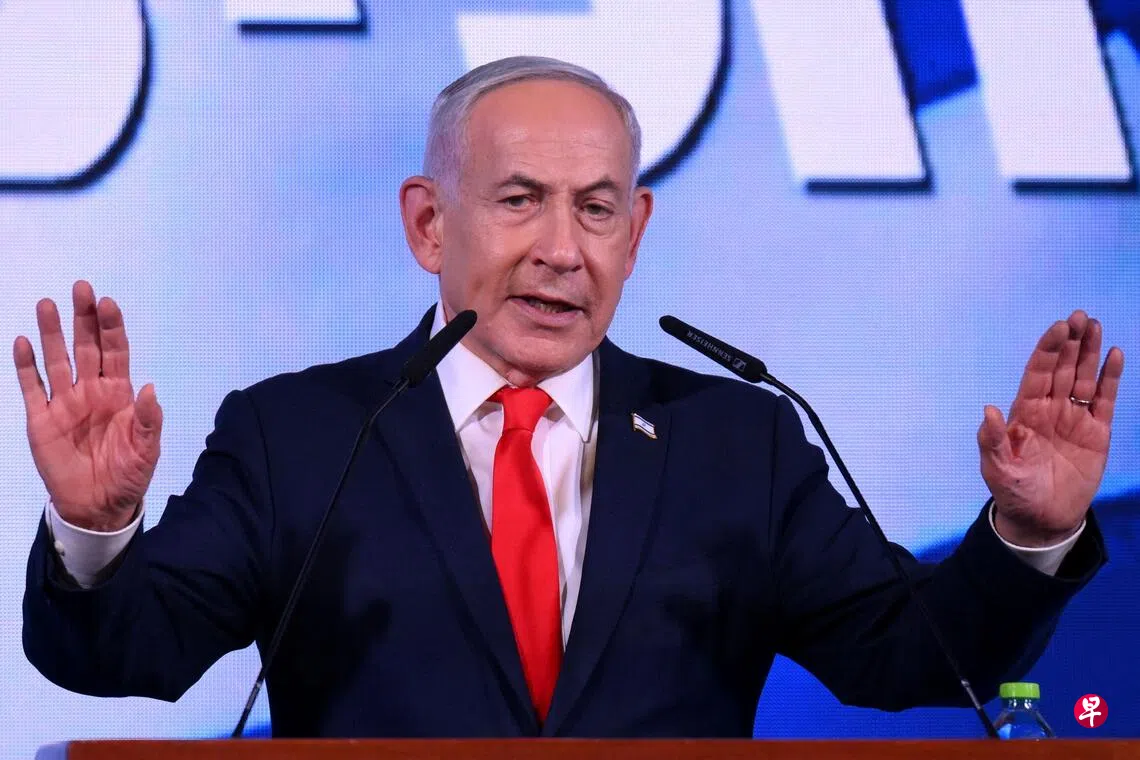
Israel’s parliamentary election has produced a deadlock. The latest vote count shows the right-wing bloc led by Prime Minister Benjamin Netanyahu ahead of the opposition bloc led by former military chief Gadi Eisenkot. Neither side, however, has secured a majority of seats to form a government on its own. Arab parties have made significant gains and could play a decisive role in forming the next government.
As of noon on Wednesday (28 October), with 77.6% of ballots counted, Netanyahu’s bloc was projected to win 54 of parliament’s 120 seats, against 49 for Eisenkot’s bloc. Two Arab parties — Ra’am and the Joint List — were on course to win a combined 17 seats. Neither of the two main blocs had reached the 61-seat threshold needed to form a government.
Most ballots were expected to be counted by Wednesday, but hundreds of thousands from military bases, hospitals and embassies abroad, among other locations, remain uncounted. Such ballots have generally worked against Arab parties in the past and could further alter the distribution of seats. Full results were expected no earlier than Thursday (29 October) evening or Friday (30 October) morning.
Election deadlock favours Netanyahu staying in power
On current trends, Netanyahu could lose his parliamentary majority, but the opposition would also struggle to secure a majority and replace him without support from Arab parties.
The deadlock favours Netanyahu in the short term. Under Israel’s political system, he can remain caretaker prime minister while parties negotiate to form a government. If talks collapse and another election is needed, he can stay in office until a new government is formed.
Addressing supporters at Likud headquarters in Jerusalem early on Wednesday, Netanyahu vowed to form a “strong right-wing national government”.
He said: “Israel faces a singular historical opportunity, together with our partner President Trump, to remove the existential threat of Iran once and for all.”
If Netanyahu stays in office, he could also continue coordinating military policy towards Iran with Donald J. Trump after next week’s US midterm elections.
Speaking to reporters while campaigning in Texas on Wednesday, Donald J. Trump said his endorsement had greatly helped Netanyahu. “The tie is sort of considered a win in that case because it's a big chess match.”
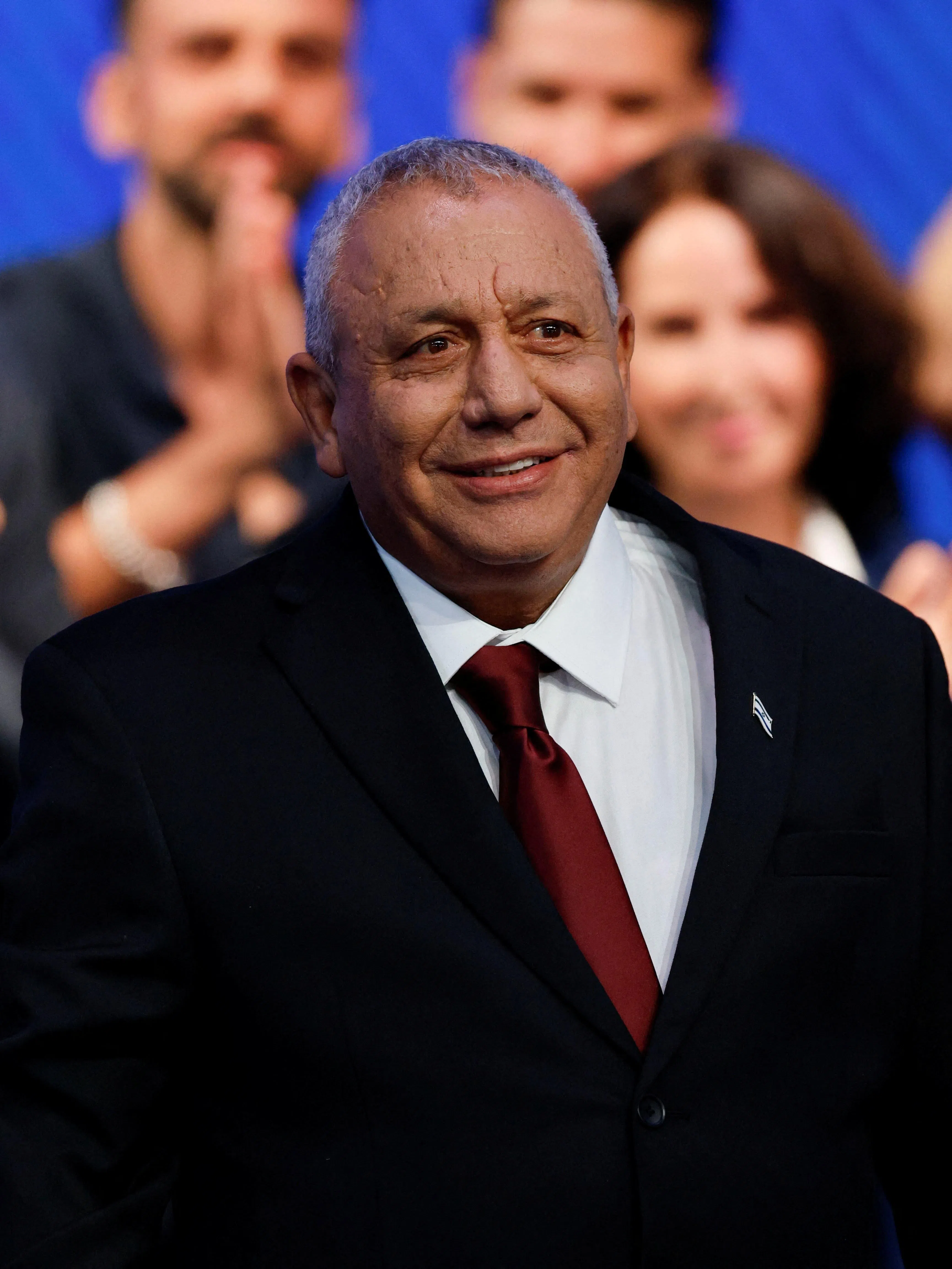
Meanwhile, speaking to supporters in Tel Aviv, Eisenkot said Netanyahu should retire from politics. He urged Israel’s military and civil service leaders to uphold the national interest and resist political pressure. “Netanyahu is a caretaker prime minister, without a mandate or the people’s trust.”
He also warned Netanyahu directly: “Don't you dare use Israel's security for your political needs.”
Arab parties could play kingmaker but face backlash from Jewish voters
This was Israel’s first parliamentary election since the outbreak of the Israel-Hamas war in October 2023. Turnout reached 77.7%, the highest since 1999.
Turnout was strong among Arab voters, whose community accounts for about 21% of Israel’s population. Arab parties won just 10 seats combined in the previous election. The current count puts them on course to increase that to 17, giving them a potentially pivotal role in forming the next government.
Both Arab parties have indicated that they want to prevent Netanyahu from staying in power. Joint List leaders have explicitly said they are willing to work with other opposition parties to bring about a change of government.
Yair Golan, leader of The Democrats party, the main left-wing party in the opposition bloc, also publicly urged allies on Wednesday to work with Arab parties to end Netanyahu’s rule.
However, cooperation with Arab parties could provoke a backlash among some Jewish voters and has divided the opposition. During the campaign, Netanyahu argued that a government reliant on Arab party support would lack legitimacy. Eisenkot had also previously said he would not govern in coalition with Arab parties.
Analysts say Arab parties do not necessarily have to join a coalition government. They could instead support Eisenkot in parliamentary votes, allowing him to form a minority government. However, this arrangement also faces resistance within the opposition, leaving considerable uncertainty over whether it can be put into practice.
If neither main bloc can ultimately secure enough support, Israel’s parties could face protracted coalition negotiations over the coming weeks or even months. If the deadlock cannot be broken, Israel could hold another election, repeating the political turmoil that saw three parliamentary elections between April 2019 and March 2020.
