

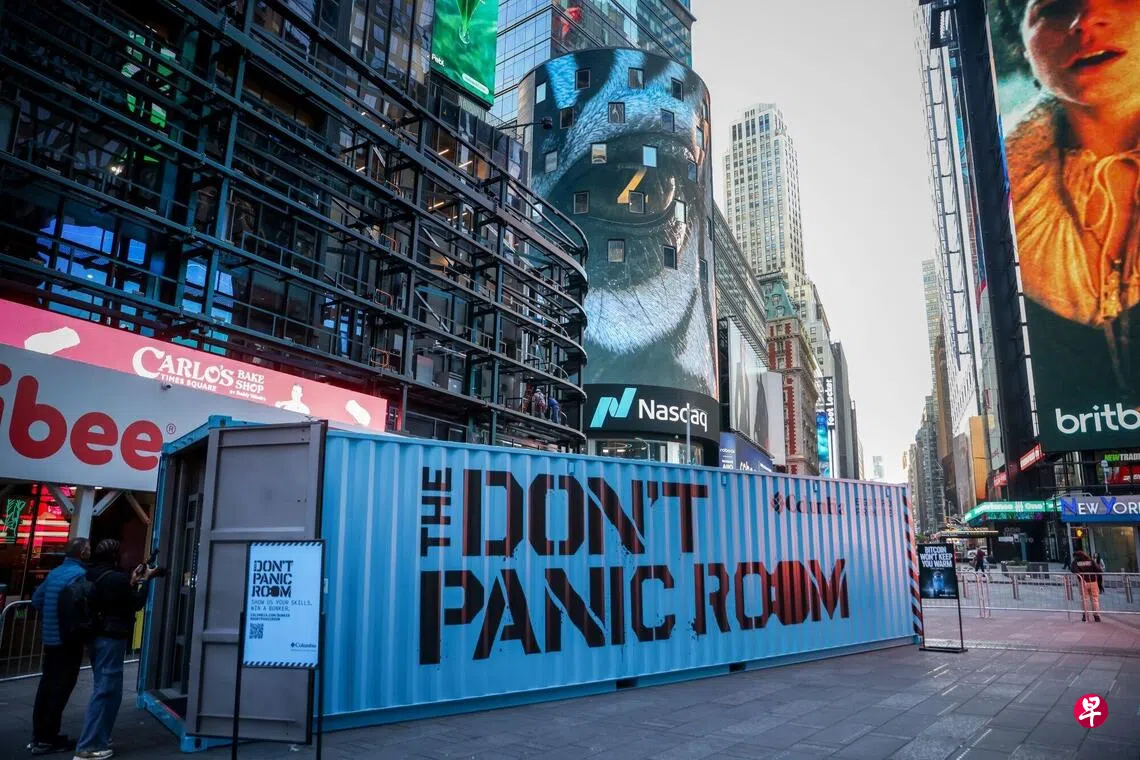
With extreme weather becoming more frequent and wars continuing in Ukraine and the Middle East, governments in several countries have recently urged people to stock up on emergency supplies. But internet users have interpreted these routine measures as signs of an imminent world war, triggering panic buying.
Countries including the UK and Japan have recently advised people to keep at least three days’ worth of essentials at home, including long-life food, infant formula and first-aid supplies. Yet these guidelines, intended to prepare households for a range of emergencies, have become fodder for online rumours.
Many internet users in Europe, the US and Asia have linked these measures to a recent series of technology outages that delayed flights and disrupted banking apps, speculating that another global war is imminent. Social media was soon flooded with photographs of people stockpiling bottled water, tinned food and spare batteries.
AFP’s fact-checking team has debunked several false claims, including one in Australia, where internet users misrepresented an interview with the Red Cross to claim that the Australian government had issued a nationwide emergency order. But these rumours have circulated widely among “doomsday preppers”, who stockpile supplies, build bomb shelters and learn survival skills.
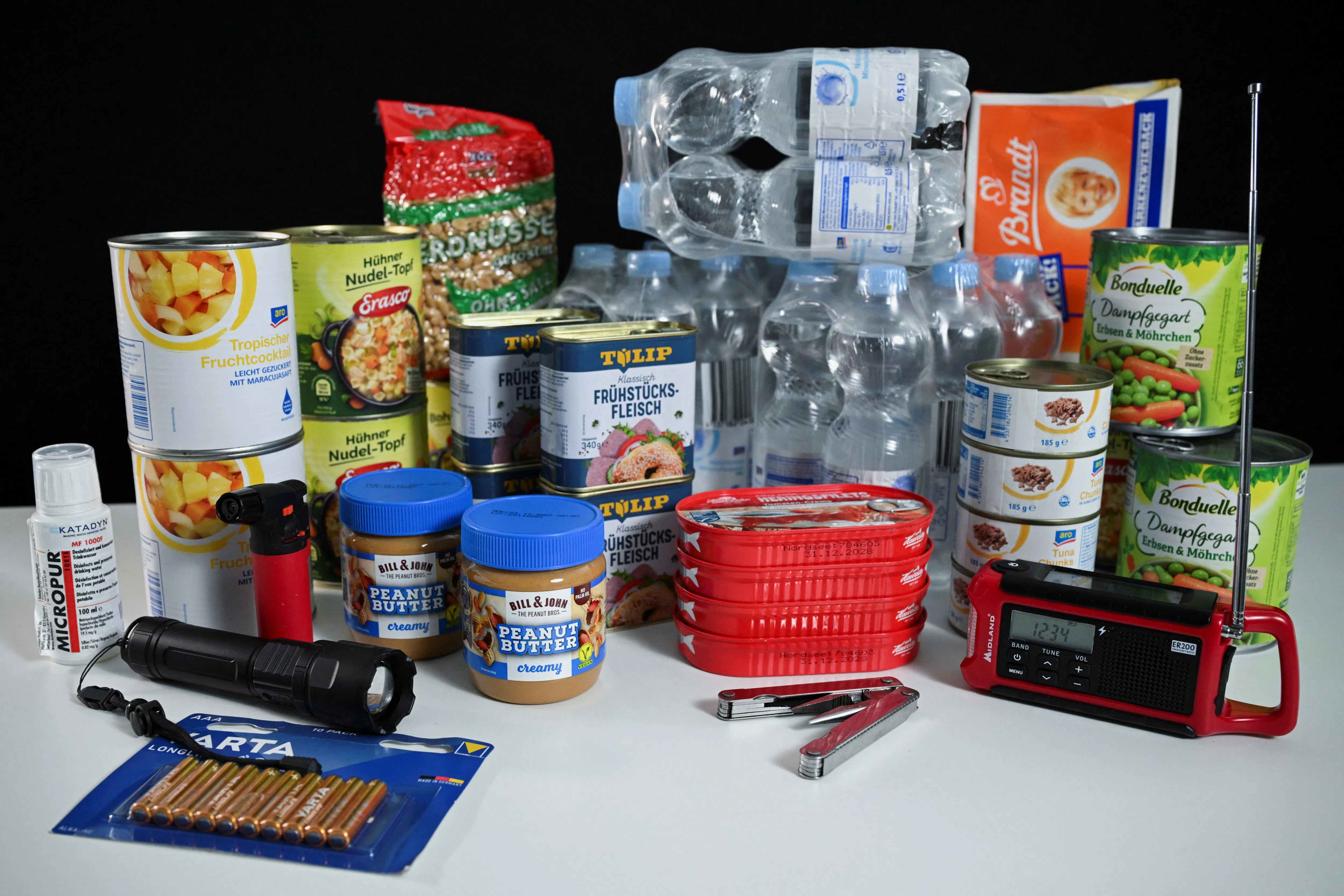
Research by Mizuho Securities shows that sales of emergency supplies at US retail giant Costco have surged, while sales of tinned food at UK supermarket chain Iceland jumped by as much as 40% at one point.
Yotam Ophir, an associate professor of communication at the University at Buffalo, said, "Misinformation prevails in an information vacuum." When information lacks detail or context, people seek alternative explanations to fill the gaps.
In fact, there are practical reasons behind countries’ recent updates to their disaster preparedness guidelines. The UK launched a disaster preparedness campaign on 22 October, while the EU adopted a similar emergency strategy as early as March last year.
Lucy Easthope, a disaster planning expert and visiting professor at the University of Bath, explained that these policies aim to ensure households can meet their basic needs in the first 72 hours after a disaster.
Each country’s measures are also tailored to local risks. Japan, for example, focuses on earthquake preparedness, while Australia primarily prepares for extreme weather events such as bushfires and floods.
A report last year by the UN Office for Disaster Risk Reduction estimated that disasters cause more than US$2.3 trillion (S$2.97 trillion) in global economic losses annually when impacts on ecosystems and supply chains are included. About 95% of direct losses stem from natural disasters such as earthquakes.
Sojin Jang, an assistant professor of emergency management and disaster science at the University of Nebraska at Omaha, said encouraging households to prepare for emergencies is intended to strengthen community resilience, allowing rescuers to prioritise vulnerable groups after a disaster.
She stressed that sensible stocking up is very different from excessive hoarding. The latter can lead to waste, shortages and price increases, particularly affecting older people, low-income households and people with disabilities.
