

Sabotage operations carried out by Russia in Europe rose by 16% in the year to September this year, with operatives becoming more skilled and attack methods increasingly sophisticated, according to a report by the UK-based International Institute for Strategic Studies.
Reuters reported that Ukraine’s main allies have accused Moscow of launching drone and cyber attacks across Europe in an attempt to disrupt European countries’ aid to Ukraine.
The International Institute for Strategic Studies (IISS) said in its report that while most sabotage operations were still carried out by recruits lacking specialist skills, some operatives had acquired a degree of expertise and begun using more sophisticated methods in attacks involving explosives.
The report said: “Arrests remove proxies but are highly unlikely to deter the RIS (Russian intelligence services) that direct them.”
The report expects Germany and Poland to remain the main targets of sabotage because their transport, logistics and industrial networks are crucial to delivering supplies to Ukraine.
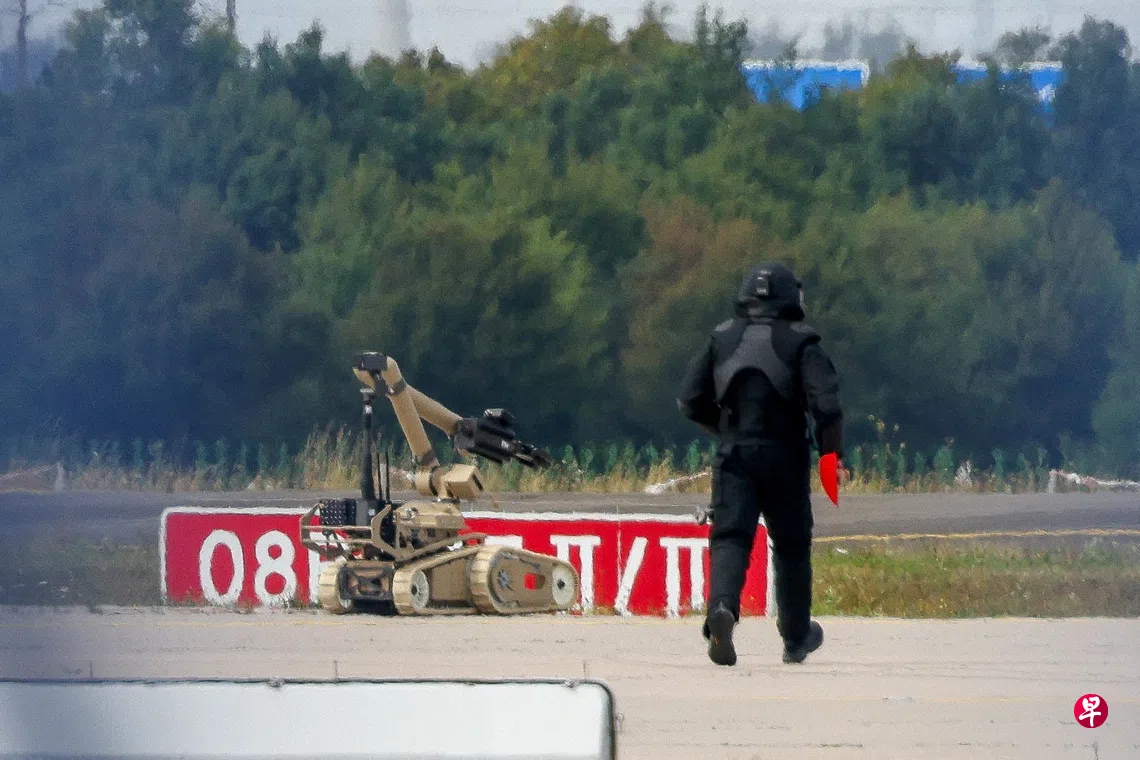
In August this year, a drone carrying explosives was discovered at Germany’s Leipzig/Halle Airport. The airport suspended flights and closed some areas while police used a robot to defuse the bomb. The airport is a major cargo and military logistics hub used by NATO and Ukraine’s Antonov Airlines to transport military supplies.
The report noted that sabotage targeting critical infrastructure, particularly military-industrial and transport facilities, accounted for more than half of all recorded incidents between October last year and September this year.
The UK government warned on Tuesday (24 November) that defence companies working with the Ukrainian military faced a growing threat of Russian sabotage.
The Russian embassy in the UK responded at the time: “Russia has no plans, reasons or intentions to attack the UK.”
