

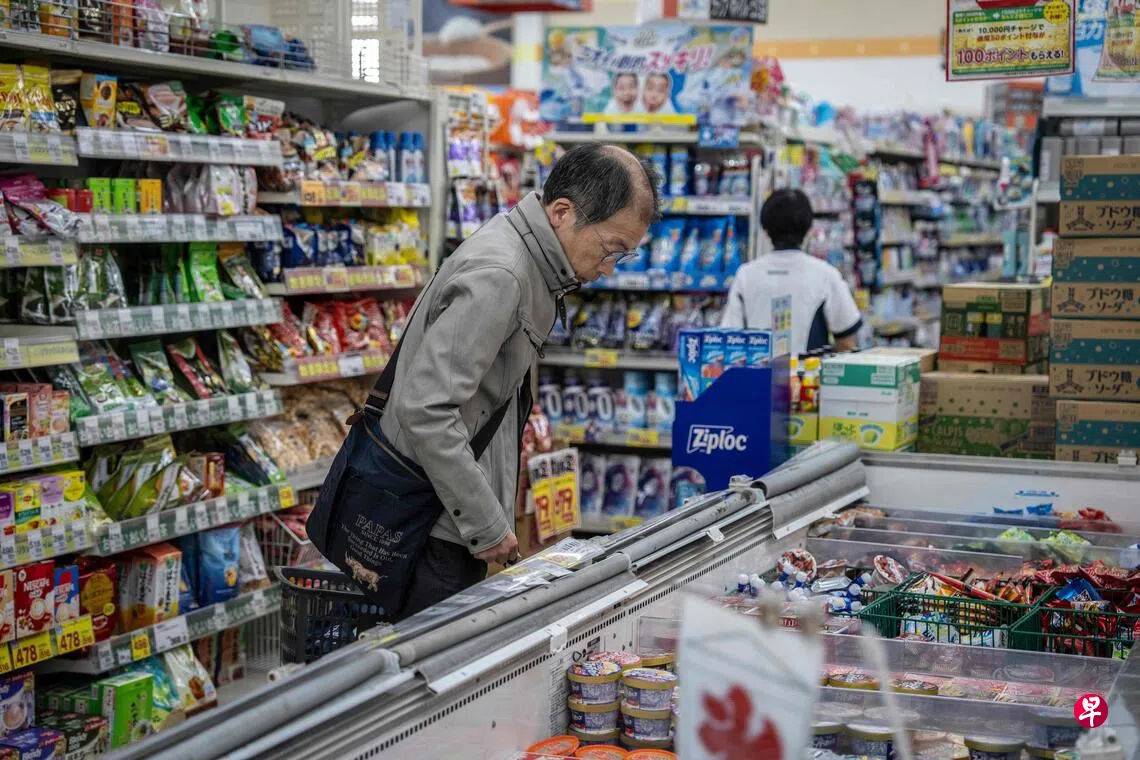
A proposal to cut consumption tax on food, promised by Japanese Prime Minister Sanae Takaichi during the lower house election campaign early this year, finally passed the chamber on Friday (6 November).
The bill’s central provision is to lower the consumption tax rate on food from the current 8% to 1% for two years from April 2027. The government also plans a package of subsidies for low- and middle-income employees to ease the cost-of-living pressures caused by inflation.
This is Japan’s first policy to cut consumption tax since it introduced the levy in 1989 at an initial rate of 3%. The ruling Liberal Democratic Party and Japan Innovation Party hold a majority in the lower house, where the bill passed by an overwhelming margin.
The ruling parties plan to begin deliberations in the upper house on 11 November, aiming to complete the legislative process before the current Diet session closes on 12 December. They also hope to secure support from some opposition parties.
However, while the ruling parties hold about three-quarters of the seats in the lower house, they lack a majority in the upper house. Without support from some opposition lawmakers, the bill could still face obstacles during deliberations there.
Besides cutting consumption tax, the Japanese government plans to provide financial assistance to workers with an annual income below 3.5 million yen. This measure would add to the fiscal burden, with an estimated annual cost of about 600 billion yen, equivalent to the revenue from one percentage point of consumption tax on food.
Notably, opposition has come not only from opposition parties. Former prime minister Shigeru Ishiba, former economy, trade and industry minister Yuko Obuchi and former Economic Planning Agency director-general Hajime Funada were among those who walked out during the vote to express their opposition.
Analysts noted that although Takaichi made cutting consumption tax an election pledge, she has yet to put forward a convincing plan for a stable source of funding, sparking intense controversy across the political divide.
Financial markets are concerned that the tax cut could force the government to issue more bonds, further increasing its already heavy fiscal burden. Consumption tax has also long been a key source of funding for Japan’s social security system, and strained finances could force the authorities to cut social welfare spending.
According to a Japanese labour and welfare survey, about 1.97 million people in Japan currently receive public assistance.
An 80-year-old woman told Lianhe Zaobao that she receives a monthly pension of 65,000 yen (about S$526). After paying her monthly long-term care insurance premiums, medical expenses and utility bills, she has less than 40,000 yen left for food.
The prospect of a consumption tax cut does not necessarily make her happy. “What I would rather see is more practical help from the authorities for elderly people like me who live in poverty.”
