

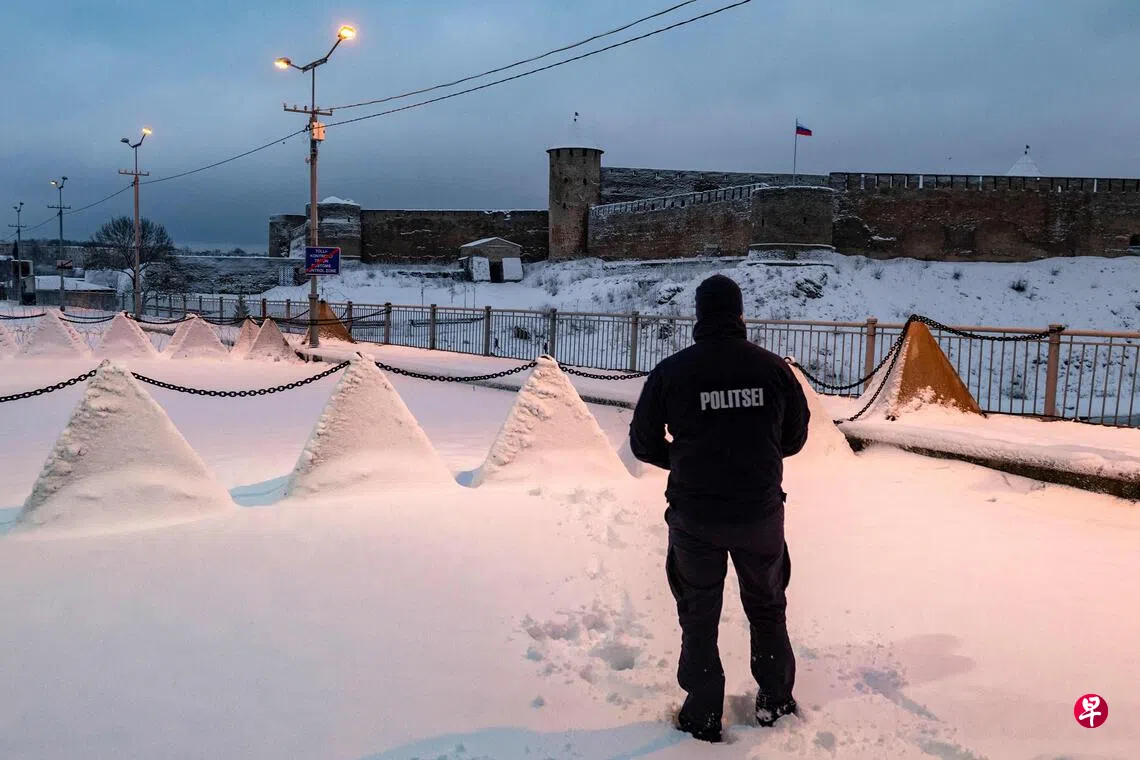
Russian-led sabotage in Europe is escalating, the London-based International Institute for Strategic Studies (IISS) warned on Thursday. With Moscow targeting infrastructure such as railways, airports and energy networks, Europe faces the risk of a mass-casualty incident.
In its latest report, released on Thursday (26 November), the IISS said that while Russia was not directly at war with any European country other than Ukraine, it was waging “unconventional warfare” through proxies. Tactically, this aims to disrupt or delay aid to Ukraine; strategically, it seeks to make the economic and political costs of continued support for Kyiv unbearable for European governments.
The data showed a significant increase in Russian sabotage operations in Europe between October 2025 and September 2026, with the frequency of attacks involving explosives and arson roughly doubling. Germany and Poland, which play important roles in logistics and industrial support for Ukraine, were the main targets, accounting for more than half of all recorded attacks during that period.
Poland recorded 29 such incidents, including an attack last November in which an explosive device damaged a railway line linking Warsaw to the Ukrainian border. Polish Prime Minister Donald Tusk said afterwards that the blast was likely intended to blow up a train.
The report said networks of proxies recruited by Russian intelligence services were using more sophisticated methods, including improvised explosive devices fitted with timers and detonators. Attacks were also occurring in waves, suggesting possible central planning by Moscow. Although several European countries have arrested some proxies, expelled Russian diplomats and closed consulates, these measures have yet to meaningfully deter the Russian intelligence agencies directing the operations.
The report warned that sabotage resulting in mass casualties could trigger calls for retaliation and divide European governments.
Separately, US envoy Jared Kushner praised Russian President Vladimir Putin in a podcast released on Wednesday for exercising “restraint” over more than four years of war, and said Putin had agreed not to use nuclear weapons.
The IISS report, however, argued that unconventional warfare, rather than nuclear war, posed the immediate threat to Europe.
In the interview, Kushner also blamed Europe for prolonging the war, saying European countries’ “provocative” words and actions had made Putin wary and convinced him that Europe sought Russia’s strategic defeat rather than peace.
Kushner also acknowledged Ukraine’s courage and capabilities, but criticised Ukrainian President Volodymyr Zelensky for having wrongly “attacked” US President Donald J. Trump, urging him to deal respectfully with the US.
