

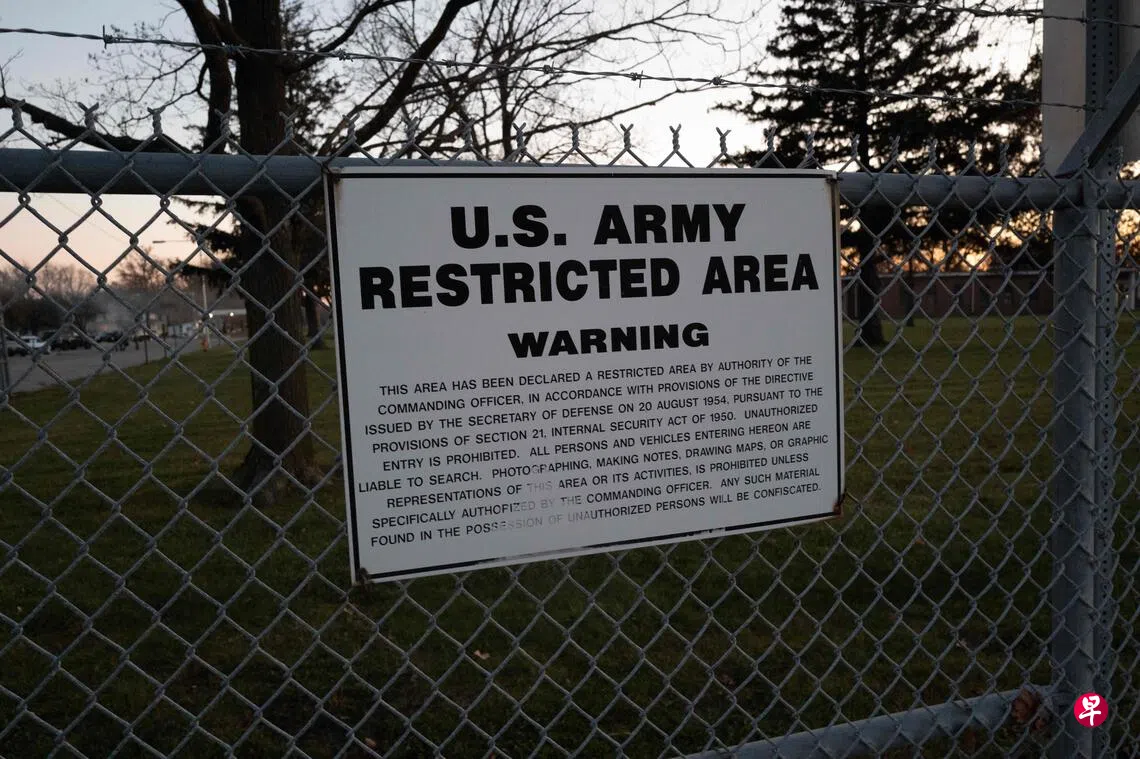
The US Army has postponed controlled explosions scheduled for Friday at an ammunition plant in Iowa to destroy a stockpile of deteriorating explosive material, Reuters reported. Nearby residents have protested against the plan, while environmental groups have taken legal action.
The material is lead azide, a compound used in detonators. Acting Army Secretary Tyer said in a post on social media platform X that the detonations at the Iowa Army Ammunition Plant in Middletown, Iowa, would be delayed until Monday. He said this was the latest the blasts could take place before a forecast drop in temperatures, which could further destabilise the material.
US Senator Grassley’s office said on Thursday (19 November) that the Army feared the lead azide could detonate spontaneously, with catastrophic consequences. It considered two controlled explosions the safest way to dispose of the material.
Tyer said the Army began notifying local officials after discovering the deteriorating material in March. Some residents, however, said they had only recently learnt about it.
The Iowa Environmental Council and the Sierra Club filed an emergency motion with the United States Court of Appeals for the Eighth Circuit on Thursday, asking it to suspend an Environmental Protection Agency (EPA) permit allowing the destruction of 68 drums of lead azide.
The two groups argued that the blasts would spread toxic lead dust across a wide area of Iowa and potentially into Illinois. They said the EPA had failed to require adequate safeguards or fully assess alternatives, and had denied the public a meaningful opportunity to comment.
The EPA permit requires the authorities to notify the public, take measures to contain the blasts and carry out remedial work if the explosions cause contamination. The EPA did not immediately respond to Reuters’ request for comment.
Some local residents had been advised to leave their homes during the blasts. They complained that the authorities had given insufficient notice and had not addressed their concerns. Holler, a resident who organised a roadside protest on Wednesday, said she was disappointed that the blasts had been delayed by only three days.
