

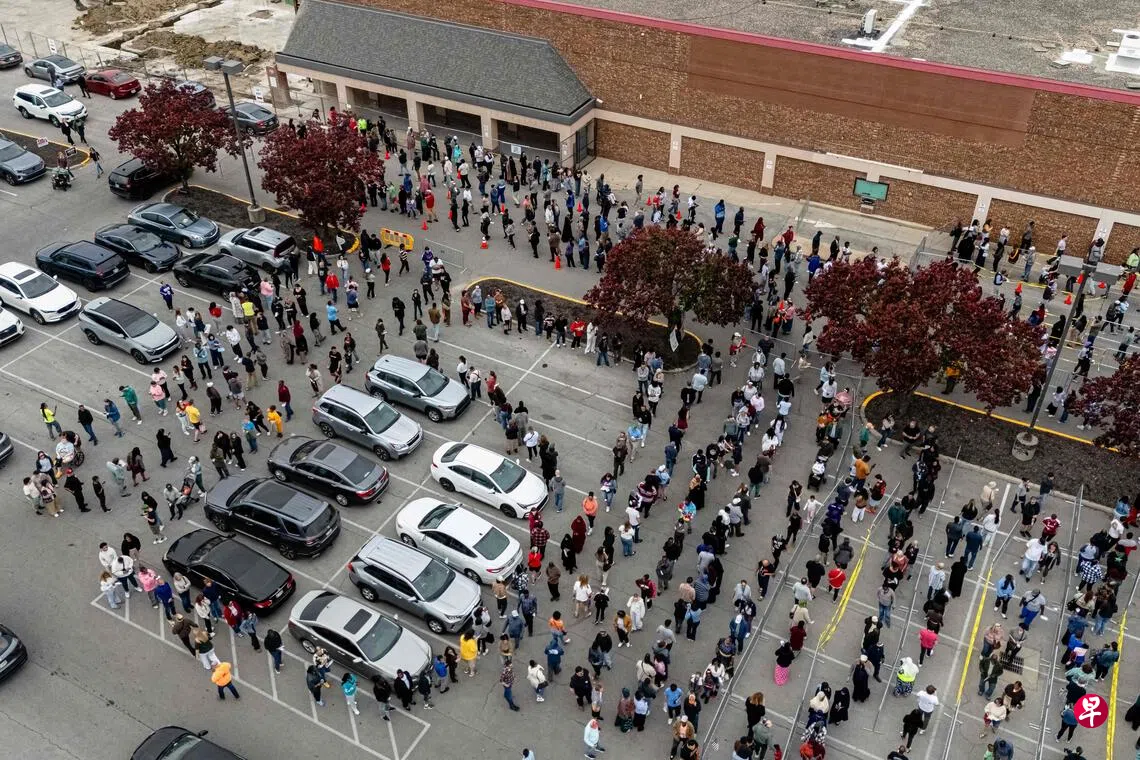
On the eve of polling day in the US midterm elections, President Donald J. Trump made a rare admission that the Republicans could suffer defeat. He predicted that if the Democrats won a majority in Congress and regained control, he would become “Mr Veto”, using his presidential veto to block their bills.
Fox News on Sunday (1 November) aired a preview of the New York Post’s podcast interview with Trump. “[The Democrats] will be sending stuff up, you veto it,” Trump said in the preview clip, “Eventually, after a month or two of getting all vetoed — you know, it’s just waste — they come over and make a deal [with the Republicans].”
Most polls show that the Democrats have a strong chance of gaining the net three seats needed to take control of the House of Representatives. They are also increasingly confident of capturing the Senate. A joint poll released by the New York Times and Siena College on Sunday showed Democratic candidates leading in the seven most competitive races, although their leads in five remained within the margin of error.
Despite acknowledging that the Republicans could suffer an electoral setback, Trump insisted at a campaign rally in Iowa on Sunday that the party would win a sweeping victory on its “America First” platform. He then headed to Kansas, another major agricultural state where the Republicans face a strong Democratic challenge. On Monday (2 November), the eve of the election, he was due back in Washington to deliver a speech at the Lincoln Memorial Reflecting Pool in a final campaign push.
White House preparing for loss of control of Congress: sources
Midterm elections have traditionally served as a referendum on the first half of a sitting US president’s term. Taking no chances with this test, Trump has spent the past month campaigning tirelessly across Republican strongholds. With prices rising and the US-Iran war dragging on, he is seeking to prevent traditionally Republican states from becoming swing states one after another.
White House officials and people familiar with the matter said the White House had in fact spent the past few months preparing for the Democrats to regain control of Congress. Aides have drawn up plans to use executive powers to advance Trump’s main agenda and respond to potential judicial investigations into his administration.
Since April, senior officials including White House Deputy Chief of Staff for Policy Stephen Miller and Management and Budget Director Russ Vought have been working with the White House Counsel’s Office to explore what executive action the president could take without congressional approval on immigration, tariffs, housing costs and federal spending. White House Counsel Will Scharf and his team have been examining “what Trump can legally do on his own, where he could push the limits of his authority and how to defend those decisions in court”.
A Reuters analysis said the planning underscores a paradox of the midterm elections: capturing control of Congress would give Democrats the power to investigate Trump, block legislation and constrain the administration’s spending priorities. But Trump would retain broad executive authority over trade, foreign policy and the federal bureaucracy — powers he has already used aggressively during the first half of his second term.
Democratic infighting erupts as electoral prospects brighten
Just as the Democrats’ electoral prospects were improving, infighting erupted within the party. The Washington Post reported that the Michigan Democratic Party expelled incumbent US Representative Haley Stevens on Sunday after she broke ranks earlier that day and released a video endorsing Republican candidate Mike Rogers.
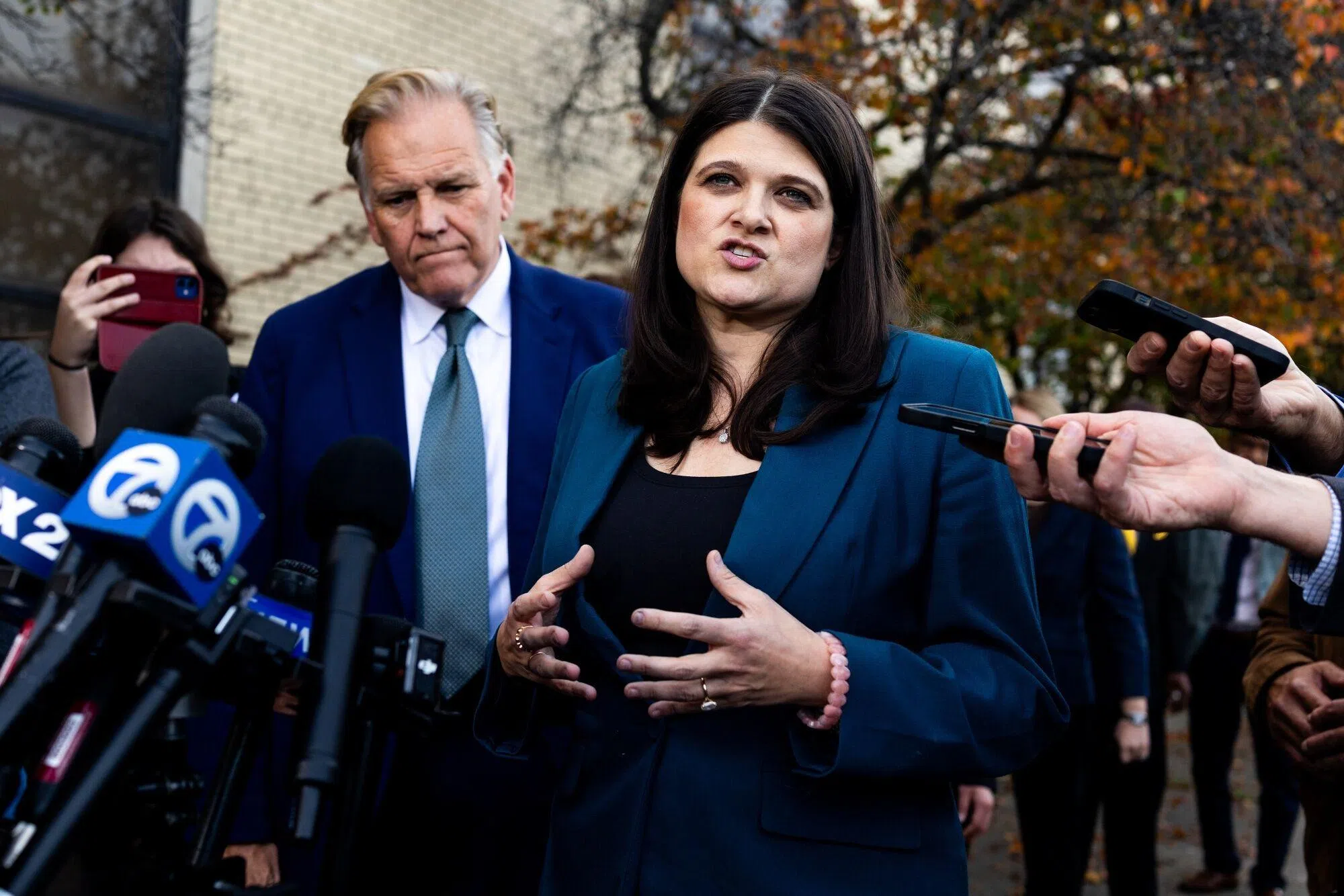
Rogers’ opponent, left-wing Democratic candidate Abdul El-Sayed, defeated the party establishment-backed Stevens in the Democratic primary in August. Their differing views on Israel made for a hostile primary campaign.
Stevens’ decision to back the Republican candidate at a critical moment in the election drew condemnation from Democrats, with Senate Minority Leader Chuck Schumer describing it as a “despicable betrayal”.
Michigan is seen as a key battleground in the Democrats’ bid to regain control of the Senate. Most polls show El-Sayed narrowly ahead of Rogers. If elected, he would become the first Muslim senator in US history.
