

The US midterm elections are entering the final stretch. Polls suggest the Democrats could not only retake the House of Representatives but even win the Senate, stripping the Republicans of control of both chambers of Congress.
Although US President Donald Trump is not on the ballot, he has insisted on turning this election into a referendum on confidence in his leadership. If the Republicans lose, could he become a “lame duck” president with limited political influence?
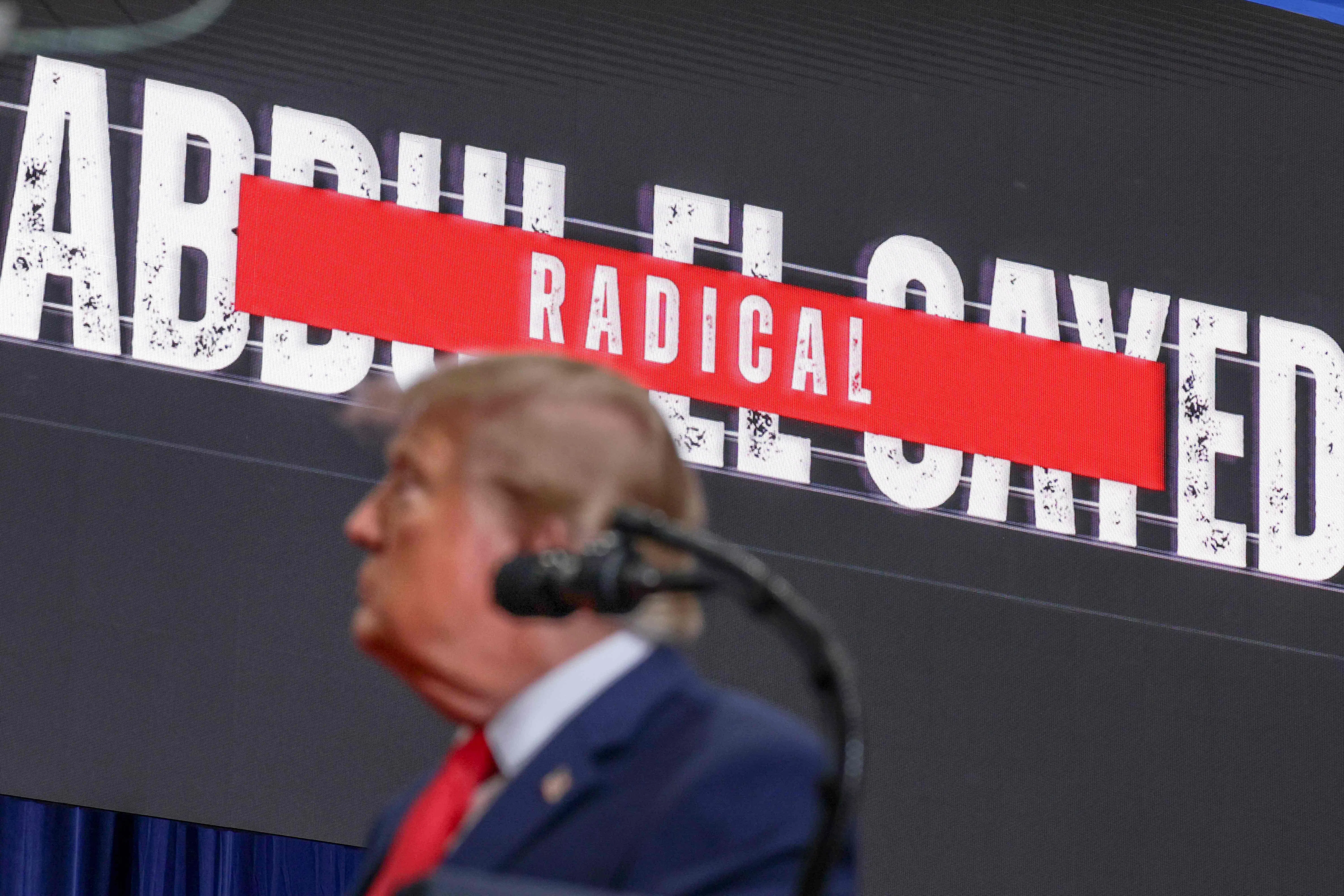
Daniel Sneider, a lecturer in international policy at Stanford University, and Dennis Weng, an associate professor of political science at Sam Houston State University in Texas, said in interviews with World Explained the situation was unlikely to be that straightforward.
Why might Trump’s increasingly vigorous campaigning hurt the Republicans rather than help them? Can the Democrats really unleash a “blue wave”? If control of Congress changes hands, how will US politics evolve over the next two years, and what will that mean for the world?
Watch this episode of World Explained to understand the political tussle behind the election.
Video content
00:00 US midterm elections: Trump is not on the ballot, but is his political future at stake?
01:09 Why is Trump dragging down the Republicans?
06:27 Can the Democrats turn the tide?
10:11 Can Republican campaign funds turn the race around?
12:06 Will Trump become a “lame duck”?
13:44 Who will lead America after Trump?
Sneider said he had recently discussed two possible scenarios following a Trump defeat in the midterms with US foreign policy experts.
The first is relatively benign. Trump would shift his focus to shaping his political legacy, including constructing monuments, pursuing personal projects and further expanding his business interests to prepare for life after the presidency.
The other scenario is more troubling. Sneider believes that once Trump no longer needs to consider election outcomes, he may adopt more radical policies.
He is particularly concerned about a further escalation of the US war with Iran. In his view, Trump finds it difficult to admit policy mistakes and may be unwilling to change course even if the war reaches a stalemate. After the midterms, Trump may be more inclined to use military action to project strength.
At the same time, he may further adjust his policy on the war in Ukraine or seek high-profile meetings with leaders of other major powers to maintain his influence on the international stage.
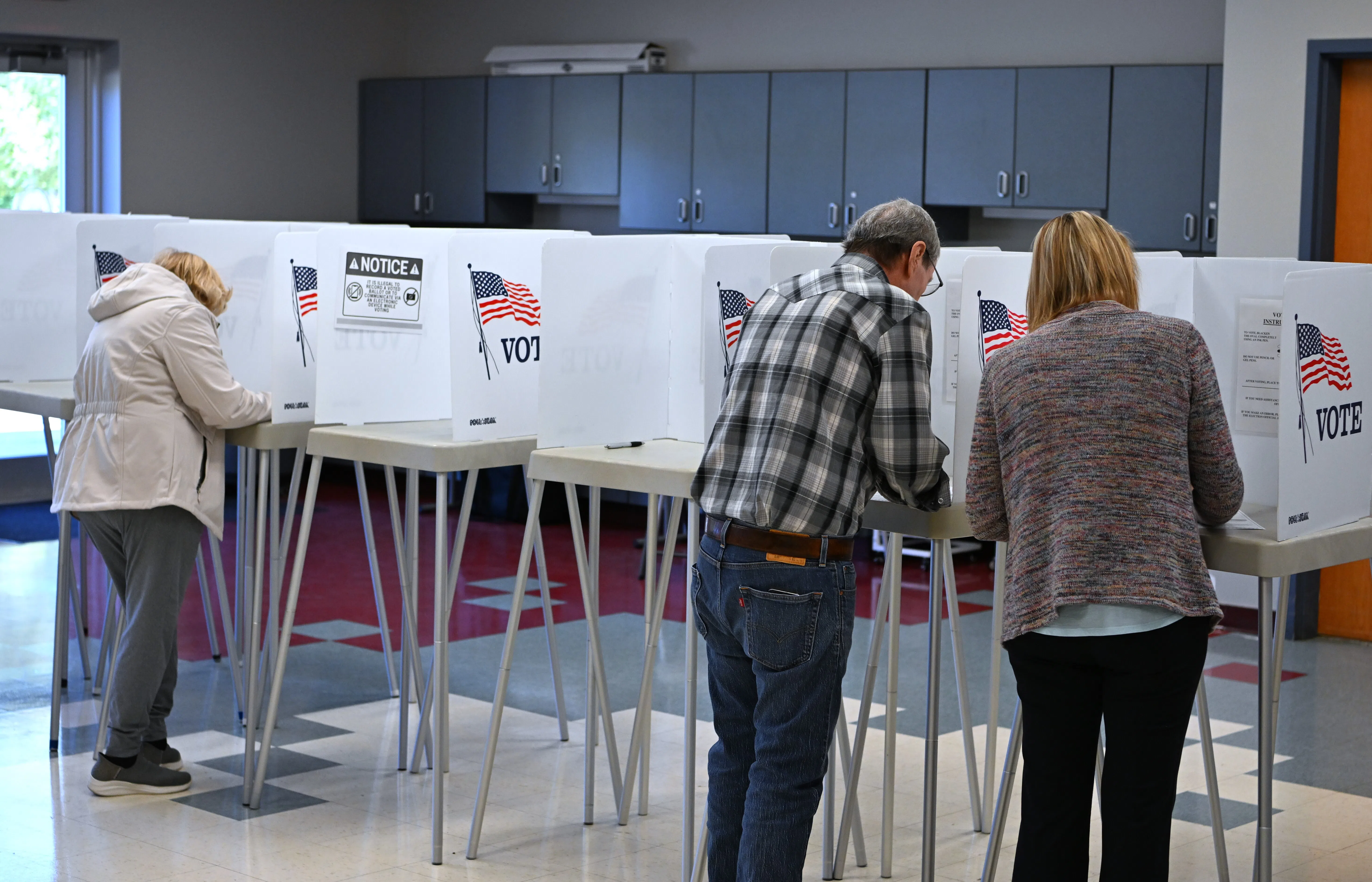
Weng also believes Trump is unlikely to retreat readily from politics even if the Democrats regain control of Congress.
He noted that Trump has a highly loyal base within the Republican Party. Even if the Democrats investigate Trump or launch impeachment proceedings, these moves may not meaningfully weaken his political influence. Instead, Trump could once again portray them as political persecution, further rallying his supporters.
More importantly, Trump’s influence may not disappear when he leaves office in 2028.
Weng told World Explained that even if the next president were also a Republican, this would not mean the party could immediately shake off Trump’s influence. The new president would need to consolidate power and build a political base of their own before gradually emerging from Trump’s shadow. He predicted that the Republicans might not establish a new political direction until 2030 or even 2031.
For the world beyond the US, the more pressing question is how Trump might wield his diplomatic and economic powers after a domestic political setback.
Sneider said Trump could still disrupt the global economy through tariffs, supply chain policies and investment restrictions. If international conflicts persist and confidence in financial markets falters, the risk of a severe economic crisis or even a global recession cannot be ruled out.
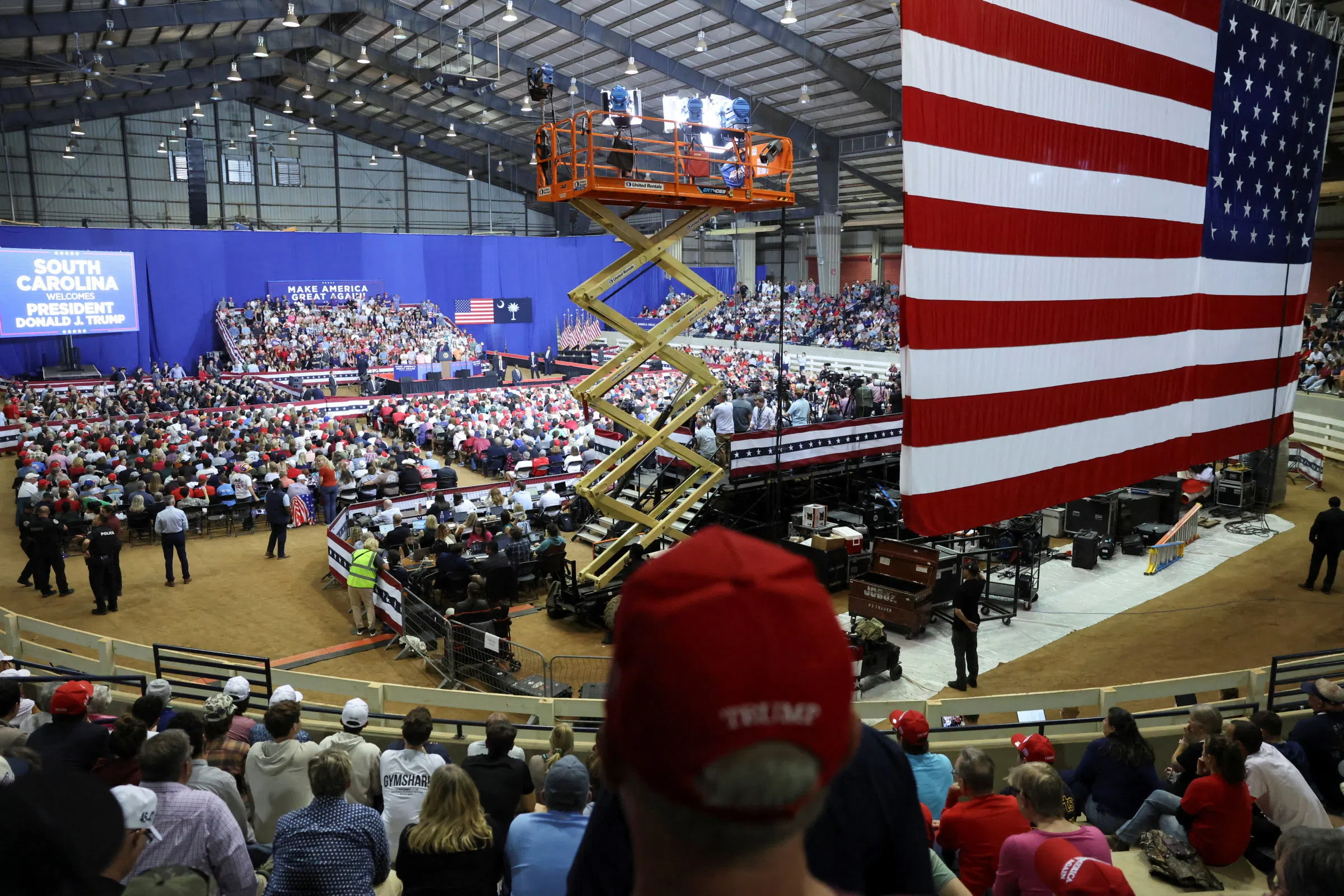
Sneider argued that the underlying issue might extend beyond Trump himself. Trump’s two presidential election victories reflect broad support in American society for nationalism, isolationism and a reduced US commitment to global leadership. This desire to turn America’s attention back to domestic affairs is not confined to the Republican Party.
He said a senior official from one of America’s Asian allies had recently asked him: “Will things really be any different in two years?” This may be a question shared by US allies. Even after Trump leaves the White House, will the US return to the foreign policy approach of previous decades, when it actively took the lead in shaping the international order?
The midterm elections on 3 November will determine who controls the US Congress for the next two years. But whatever the outcome, Trump’s influence on American politics and the international order is unlikely to end with this election.
