

With the US midterm elections approaching, public debate in Japan is focused on whether the vote can help ease the US-Iran conflict and stabilise oil imports, thereby curbing domestic inflation.
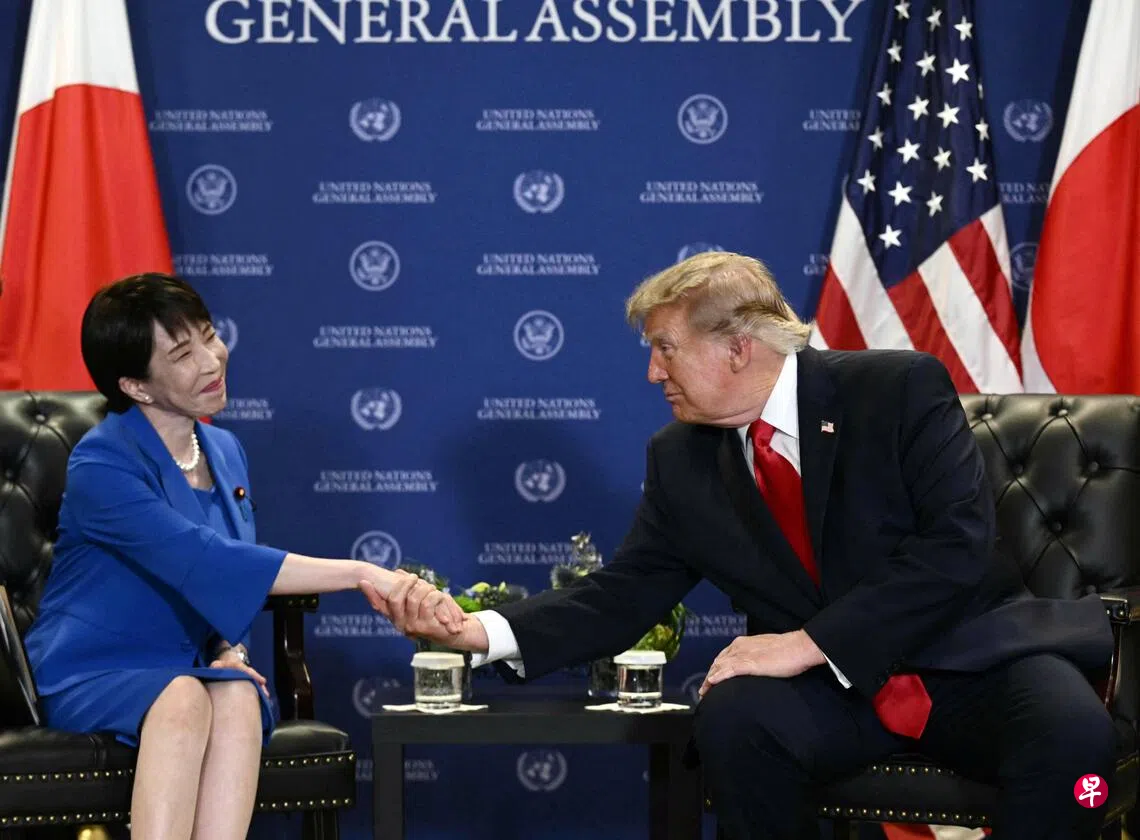
With opinion polls showing the Democrats in the lead, Japan believes US President Donald J. Trump’s administration may have to adjust its foreign, security, economic and industrial policies. Japanese Prime Minister Sanae Takaichi therefore plans to meet Trump as soon as possible after the elections.
Nikkei reported that the Japanese government has prepared for a scenario in which the ruling Republicans suffer an electoral defeat, leaving US domestic politics gridlocked.
Japan is therefore on high alert for the possibility that Trump could turn to foreign affairs in search of a breakthrough. Takaichi hopes to use direct talks to defuse any pressure Trump might put on Japan.
At the start of Trump’s second term, the US pressed hard for Japan to increase its defence budget. Japanese analysts noted that the Democrats are also inclined to avoid spending too much on other countries’ security. If the security situation in East Asia requires substantial funding, the US Congress could step in to impose limits.
Meanwhile, as Japan moves ahead with revisions to its three security documents, the US may press it further to increase defence spending. A Japanese defence official said: “The immediate priority is to draw up robust versions of the three security documents and fully explain to the US how these measures contribute to regional defence.”
A senior Japanese diplomat also said: “Whatever the outcome of the US midterm elections, we will hold serious discussions on sharing the costs of US forces stationed in Japan and put forward a proposal that reflects the current level of the Japan-US alliance.”
Mieko Nakabayashi, a professor at Japan’s Waseda University, said: “This is undoubtedly an extremely tough election for Trump. If the Republicans lose control of the House of Representatives, or even the Senate, the budgets and bills Trump wants to push through will struggle to make any headway.”
On the war in the Middle East, Nakabayashi said: “Without funding, Trump cannot launch a war even if he wants to. But whatever the election results, they will not affect the Japan-US alliance. We should distinguish between the elections’ impact on US domestic politics and their impact on foreign and security policy.”
On the economy, Imamura Takashi, president of the Marubeni Institute, believes that as the Democrats’ chances of victory improve, markets will begin to turn their attention to the 2028 US presidential election.
If markets see a growing likelihood of a change in administration in 2028, expectations may shift towards smaller economic stimulus measures and less aggressive monetary easing.
Imamura added: “A Republican defeat would represent voters’ rejection of ‘Trump tariffs’. But with only two years left in his term, it is uncertain whether Trump would change course. He could continue to force through his existing policies.”
Toyo Keizai commented that although the scale of a Republican defeat remains difficult to predict, Trump’s “Make America Great Again” agenda will inevitably lose momentum. US politics will enter a transitional period over the next two years, during which new policies are unlikely to emerge.
One possible scenario is that Trump, reduced to a “lame duck”, will devote all his energy to building his personal “political legacy”. As the Trump era draws to a close, the next US president will inherit a host of intractable problems.
