

The US military on Friday (6 November) announced a US$20 million (about S$25.65 million) reward for intelligence on Iran’s nuclear programme. Meanwhile, US forces launched a fresh round of military strikes against Iran.
US Central Command said in a post on social media platform X that it is offering a reward of up to US$20 million and possible relocation for information about Iran's nuclear program, including its facilities, equipment, and associated personnel, such as those in the scientific community, to ensure informants’ safety.
The reward is being offered through the US State Department’s Rewards for Justice programme.
The State Department said in a statement on Friday that Iran had failed to honour its safeguards commitments to the IAEA, leaving the agency unable to account for Iran’s nuclear production activities and stockpiles, including the status of key components such as centrifuges.
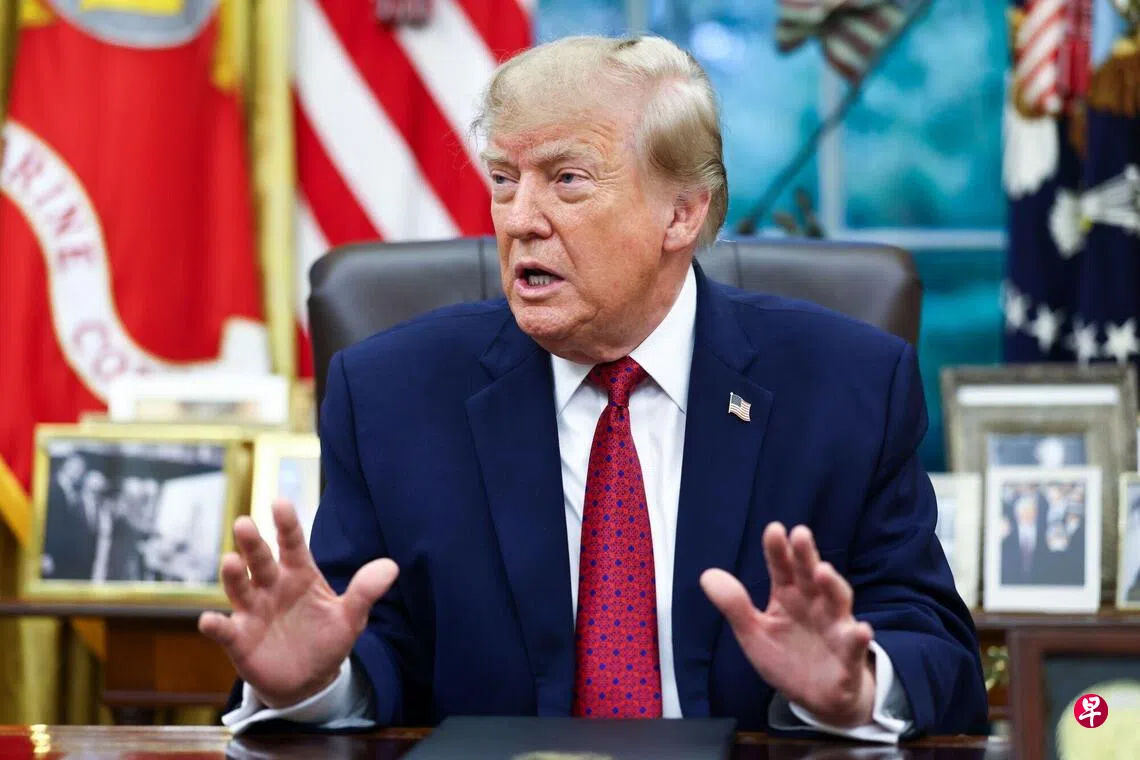
US President Donald Trump said on Friday evening that US forces had carried out a new round of limited strikes against Iran, targeting an air defence system. He stressed to reporters that the strikes were small in scale. This was the first US attack on Iran since the Republican Party suffered a heavy defeat in the midterm elections.
Two missiles hit Qeshm Island in southern Iran early on Saturday. The Iranian military later confirmed to the media that an Iranian air defence system had shot down a US MQ-9 drone over Qeshm Island.
Despite the continuing military conflict, diplomatic efforts between the US and Iran are moving forward. US media reported on Friday that Vice-President JD Vance had been directly involved in indirect talks with Iran over the past two weeks, seeking a new ceasefire agreement and a resumption of nuclear negotiations.
Diplomats familiar with the negotiations said US-Iran talks could be nearing a breakthrough, with Iran signalling its willingness to discuss issues related to its nuclear programme that had previously been outside the scope of negotiations.
Separately, two Middle Eastern government officials said on Friday that Iran was studying a proposal concerning its nuclear activities put forward by Qatar, the main mediator. Any concession by Iran on this issue could lead to significant progress in the negotiations.
Qatari Prime Minister Mohammed bin Abdulrahman Al Thani stressed at a discussion at the University of Oxford on Friday: “We will never have a perfect peace deal but you can’t wait for that perfect moment at the expense of getting a good deal.”
