

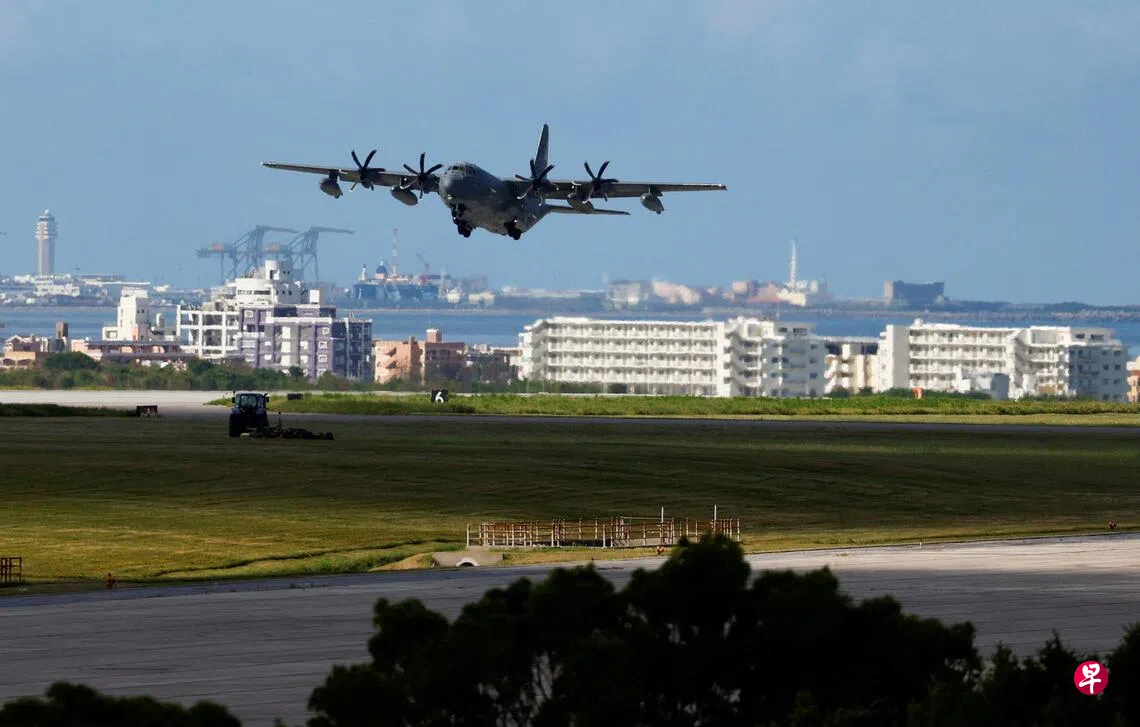
Japan and the US are negotiating the renewal of a five-year agreement on sharing the cost of US forces stationed in Japan. The Donald J. Trump administration has reportedly demanded as much as 3 trillion yen (about S$24 billion), roughly three times the current level, drawing attention to whether Tokyo will accept the demand in full. According to diplomatic sources from both countries, Japan will not meet the full US demand, and the final amount could be around 1.5 trillion yen.
The previous agreement, signed in 2022, requires Japan to contribute about 211 billion yen a year. With the current agreement due to expire in March 2027, working-level officials from both countries began talks in July this year to settle on a new budget for the next five years.
Nikkei (《日经新闻》) reported that the US had asked Japan during the negotiations to contribute more than 3 trillion yen over the next five years. During Trump's first term, Washington also demanded a fourfold increase in Japan's contribution. The Japanese government adopted a delaying strategy at the time, resuming negotiations only after the Biden administration took office.
This time, however, the situation is different. The current agreement expires in just a few months, while Trump has two years left in office. Japan's strained finances make the negotiations particularly difficult. Tokyo's current proposal amounts to only half the US demand. Given the yen's depreciation and rising prices, that sum may not satisfy Washington.
Japan's contribution towards the cost of US forces stationed in the country is used mainly to subsidise base operations, covering utilities, Japanese employees' wages, and the construction and maintenance of facilities. Long nicknamed the “sympathy budget” in Japan's public spending, it has been criticised as an attempt to curry favour with the US. In 2022, the authorities renamed it the “alliance resilience budget”.
One item in the bilateral agreement, “procurement of training equipment”, has attracted particular attention. It was introduced to strengthen the alliance's deterrence and improve the quality of joint training between Japan's Self-Defense Forces and the US military. During the latest negotiations, the Japanese government considered accepting a US proposal to cover maintenance costs for US aircraft, vessels and other equipment deployed in Japan. It ultimately abandoned the idea because it fell outside the scope of existing legislation.
Some Japanese officials argue that much of the substantially higher contribution sought by the US would ultimately go to Japanese employees at the bases and domestic construction contractors, helping to expand domestic demand and stimulate the economy to some extent.
But there are also opposing voices in Japan. In Okinawa prefecture, which hosts about 70% of US military bases in Japan, local newspaper Ryukyu Shimpo (《琉球新报》) argued in a commentary that the Japanese government must not yield to Washington's negotiating tactic of making an exorbitant opening demand and then forcing the other side to compromise. Instead, it should firmly reject the demand. Moreover, the commentary argued, the Republican Party's defeat in the US midterm elections showed that voters had effectively rejected the Trump administration's policies.
The newspaper also noted that Japan already bears a very high share of the cost of US forces compared with other countries hosting US troops. With the country's fiscal position under severe strain, it argued, funds would be better spent on improving people's lives and supporting their livelihoods than on increasing spending on US forces. It also objected to the use of the budget to procure equipment for joint exercises between the US military and the Self-Defense Forces, criticising the move as an attempt to turn Okinawa into a “military fortress” and further increase its military burden.
