

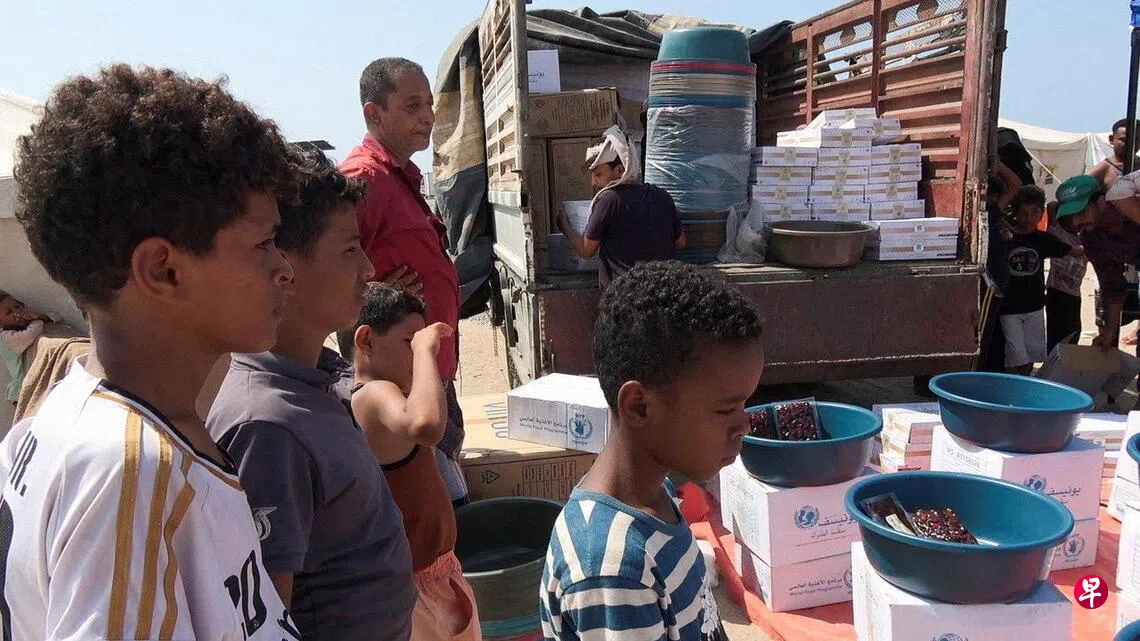
Shipping bottlenecks caused by the Middle East conflict and the Russia-Ukraine war could leave the UN World Food Programme (WFP) facing an additional US$727 million (about S$940 million) in costs by mid-2027, jeopardising food aid for another 7.3 million people, its executive director Luke Lindberg warned on Monday (23 November).
Reuters reported that Lindberg told a UN Security Council meeting that shipping restrictions in the Strait of Hormuz, the Bab el-Mandeb Strait and the Black Sea were affecting food exports and shipments of agricultural supplies. Climate shocks such as El Nino were making matters worse.
Some 266 million people worldwide already face severe hunger, while parts of Sudan, South Sudan and Somalia are also at risk of famine.
Lindberg urged all parties to re-establish humanitarian shipping corridors modelled on the UN-brokered Black Sea Grain Initiative to ensure that Russian and Ukrainian grain reaches areas in need.
The agreement, reached in July 2022, enabled nearly 33 million tonnes of Ukrainian grain to be exported safely. Russia withdrew in 2023, citing serious obstacles to its own food and fertiliser exports.
“Grain stores in Ukraine, Poland and the surrounding region are full, while people elsewhere in the world are going hungry ... This is unacceptable,” Lindberg told Reuters in an interview.
As of mid-October this year, the number of ships carrying wheat and maize through the Bosphorus Strait had fallen 63% year on year. This means that about 10 million tonnes of Russian and Ukrainian wheat — enough to feed 44 million people — may not reach global markets this year.
Latvia, which currently holds the rotating presidency of the Security Council, also expressed support for efforts to secure a new Black Sea initiative. But President Edgars Rinkevics acknowledged that there had been no clear progress so far.
Lindberg noted that the global food price index rose in September to its highest level in nearly four years, while wheat prices were up nearly 10% from January. Rising energy and transport costs, along with constraints on global fertiliser supplies, could further worsen the food crisis.
The WFP has lowered the number of people it aims to reach with food aid next year to 91 million, from 110 million this year, because of wars and rising costs. Aid could be scaled back further if the situation does not improve.
