

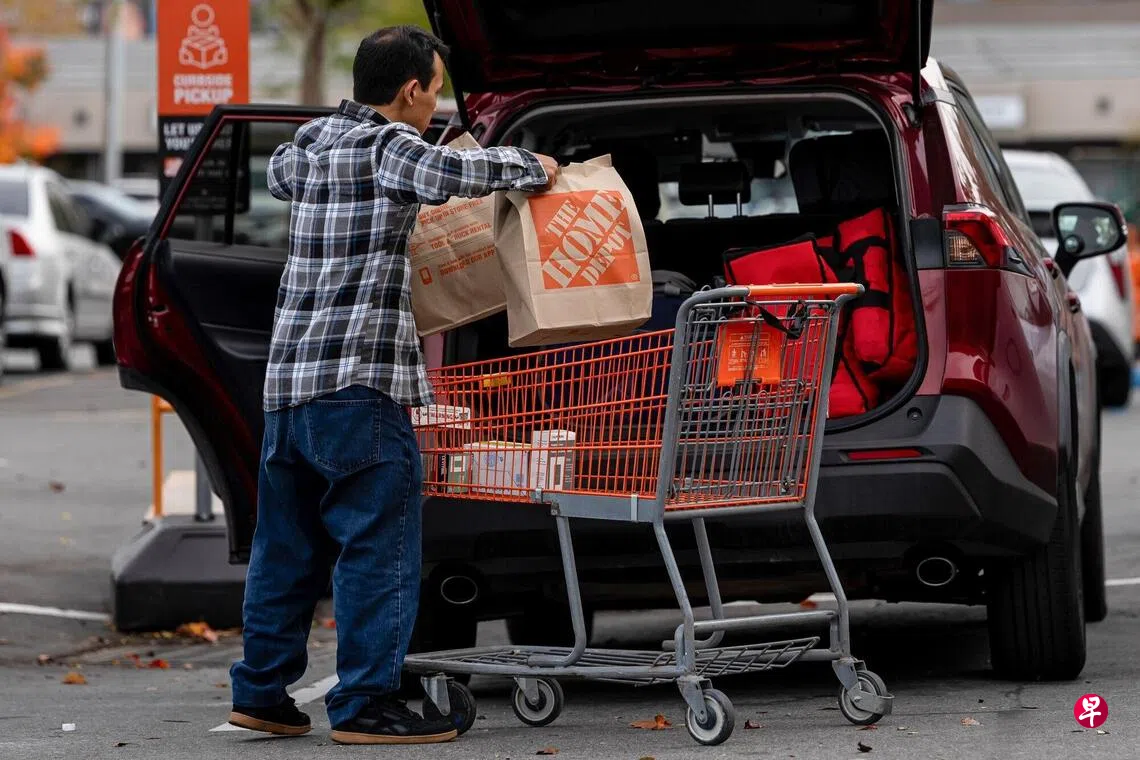
A wave of “doomsday stockpiling” has emerged across the US retail market in recent days. Sales of disinfectant wipes, bottled water, rice and canned food, as well as generators, propane tanks and camping gear, have all risen. Some consumers have even stocked their doomsday bunkers with instant coffee.
Several major US retailers have confirmed the trend. Walmart and Costco recently said anxious consumers were snapping up daily necessities and emergency supplies, with purchases in these categories outstripping those of other goods for the first time. Farm supplies retailer Tractor Supply also said sales of products such as generators and liquid storage tanks had continued to rise this year.
RBC Capital Markets analyst Modi said in a recent report that the combination of government initiatives and anxiety on social media had turned “doomsday stockpiling” into mainstream consumer behaviour.
In late September this year, a Pentagon combat-readiness directive was seriously misinterpreted on social media platforms such as TikTok and blown up into a warning of an “imminent 90-day blackout”. Recent emergency preparedness campaigns in countries including the UK, Japan, Germany and Norway have further heightened public unease.
What has really kept the panic simmering, however, is a succession of real-world technology failures. Recent incidents include outages affecting Microsoft’s Outlook email and office software, widespread flight groundings across the US because of technical faults, disruptions to JPMorgan Chase bank transfers, and interruptions to Apple services. Even the US National Security Agency’s (NSA) internal classified communications network went down for a time.
Officials have rushed to clarify that the incidents were unrelated and were not attacks by hostile forces. There is also no evidence so far that they were caused by artificial intelligence (AI) running out of control. Yet public concern about the fragility of modern technology has proved difficult to quell. Polling shows that as many as 73% of Americans worry that future AI systems will pose an existential threat to humanity.
