

The World Bank has warned that global commodity prices are expected to rise by 23% by the end of this year, with energy prices reaching a four-year high because of the US-Iran war and food prices surging amid global conflicts and El Nino.
Releasing the Commodity Markets Outlook report on Wednesday (28 October), the World Bank's deputy chief economist Ayhan Kose said commodity markets were facing several major shocks simultaneously. “Higher energy costs and trade disruptions are driving up prices across a broad range of commodities, threatening to worsen inflation and food insecurity, and weigh on economic growth.”
The report said oil, natural gas, food and metal prices had all risen sharply this year as global shocks intensified. The situation could deteriorate further if the Middle East conflict escalates and Russia's oil infrastructure continues to suffer damage.
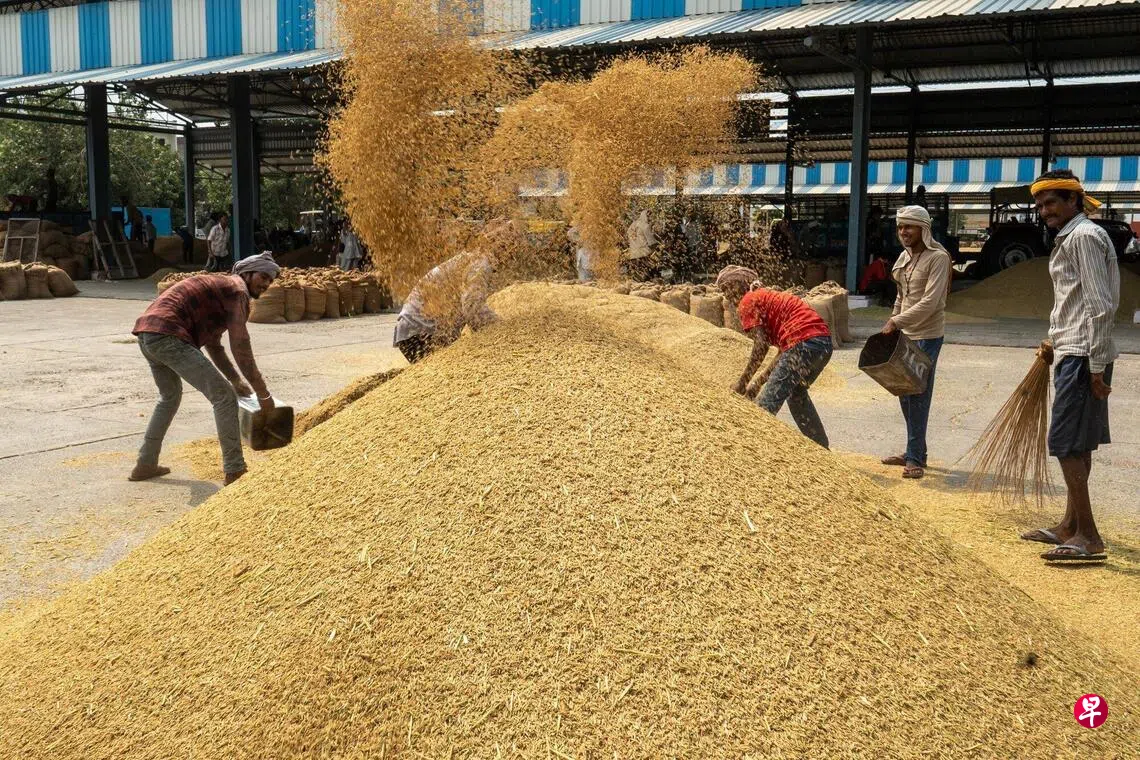
On the closely watched outlook for food prices, the report said they were expected to rise by 10% in 2026 and a further 7% next year, as conflicts disrupt food supply routes, compounded by extreme El Nino conditions and high fuel and fertiliser prices.
Energy prices to rise 32% this year even without further escalation of wars
The report also said that, assuming no escalation in the US-Iran and Russia-Ukraine wars, energy prices were expected to rise by 32% this year, with the pace of increase easing only in 2027.
The World Bank warned that an unusually strong El Nino, intensified attacks on Black Sea grain shipments during the Russia-Ukraine war, or a further surge in energy prices caused by the US-Iran war could all trigger a food crisis.
If these risks materialise simultaneously, Brent crude could average US$105 a barrel in 2027, while food prices could be 12% higher than the baseline forecast, even exceeding 2022 levels, the report said.
The last food crisis, in 2010, pushed more than 40 million people into extreme poverty.
The World Bank said global oil supply was expected to fall by 5.2% in 2026 because of the conflicts in the Middle East and the Russia-Ukraine war. This would be the largest decline in more than 40 years, apart from during COVID-19.
Since the outbreak of the US-Iran war, the World Bank has provided emergency assistance totalling US$8.7 billion (about S$11.1 billion) to 25 countries.
Kose said, “The priority must be to protect the poorest people and support low-income countries already struggling with heavy debt burdens.”
Beyond oil and food prices, the report forecast that fertiliser prices would rise by 14% in 2026 before falling back to 2025 levels in 2027.
The World Bank said metal prices would rise by 25% to a record high in 2026. Aluminium, copper and tin prices have all reached record highs because of supply disruptions and strong demand driven by investment in renewable energy, electric vehicles and data centres.
With geopolitical and policy uncertainty driving a surge in demand for safe-haven assets, the World Bank expects precious metal prices to soar by 40% in 2026 before retreating somewhat in 2027.
