

Before our interview last Tuesday (20 October), I had met Zhao Wei on several occasions.
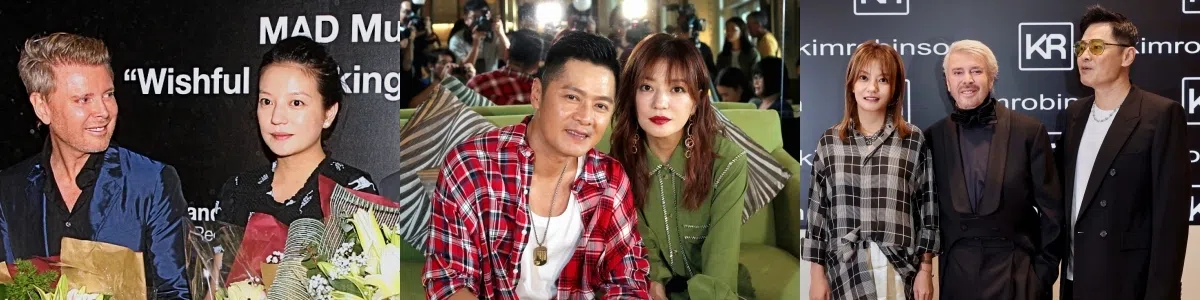
Whether at the opening of internationally renowned hairstylist Kim Robinson’s art exhibition in 2010, which took place about a month after she gave birth, at a luxury brand’s new store opening party that October, or in 2019, when veteran actor Li Nanxing helped her bring wines from her French vineyard to Singapore, Zhao left a strong impression at every interview.
Confident and strong-minded, she always had a sparkle in her eyes when talking about the things she loved.
Meeting face to face again after seven years, I found Zhao still the same opinionated “Xiao Yanzi”, but with a gentleness that has come with time.
During the half-hour interview with Lianhe Zaobao (LHZB), she spoke freely about her reflections on life and the simple pleasures she has found in slowing down. No longer focused solely on lofty goals or major achievements, she has learnt to appreciate the essence of life in its smallest details.
The “golden age” is now
The interview took place at Kim Robinson’s salon, so the conversation naturally began with his hairstyle show, The Golden Age. Reflecting on what a “golden age” meant, Zhao said that as a child, she had always imagined it lay ahead. With age, she suddenly found herself wondering whether she had already missed it.
“Many people don’t really know what their own golden age is. Often, it is only much later, looking back, that a particular high point seems to have been their so-called ‘golden age’. But while they are living through it, most people are unaware.”
Rather than oscillate between anticipation and nostalgia, Zhao prefers to live in the present. The simplest approach, she believes, is to regard the life, time and opportunities one currently has as one’s “golden age”. Only then can one truly cherish what is here and now.
When the COVID-19 pandemic disrupted life around the world a few years ago, Zhao chose to go with the change of pace and slow down.
“During the pandemic, everyone suddenly went from an intense work schedule to having a lot of time to themselves. That is actually quite rare in China, because it is so easy to get caught up in busy working lives and fierce competition,” she said.
Laughing, she said she was probably not someone inclined to fight circumstances, and felt people should learn to accept what life brings. She explored an approach to life suited to her age through travel and books, and regards those years as a precious and important period of reflection.
It was also during that time that Zhao discovered the simple beauty of everyday life.
“The biggest gain is that so many little things can now make me happy. I used to think some things weren’t big or important enough, as though there was nothing worth celebrating. Now, small things can feel important and bring me great happiness. I even feel that they are what life is really about.”
No need to live by other people’s standards
Zhao takes a clear-eyed view of life’s ups and downs, believing that everyone encounters problems, large and small. “And the biggest problem is that these problems never end. Getting past one today doesn’t mean there won’t be more ahead.”
With a laugh, she noted that fairy tales always end with the prince and princess living happily ever after. “But when we grow up, we understand that there are even more complications afterwards. That is really what life is like.”
Even exerting tremendous effort to reach a goal does not guarantee that everything will turn out exactly as hoped, Zhao acknowledged, because things are constantly changing in subtle ways.
With the future beyond anyone’s control, she often encourages herself and those around her to focus on the life in front of them rather than worry about the unknown.
Zhao turned 50 about six months ago. An ancient saying holds that “at 50, one knows one’s destiny”, but she laughed and said, “I would love to ‘know my destiny’, but I really don’t.
“Even if someone says they do, I think something they don’t know will turn up a couple of days after they say it. Why? Because life is unpredictable. You really are constantly learning and growing.”
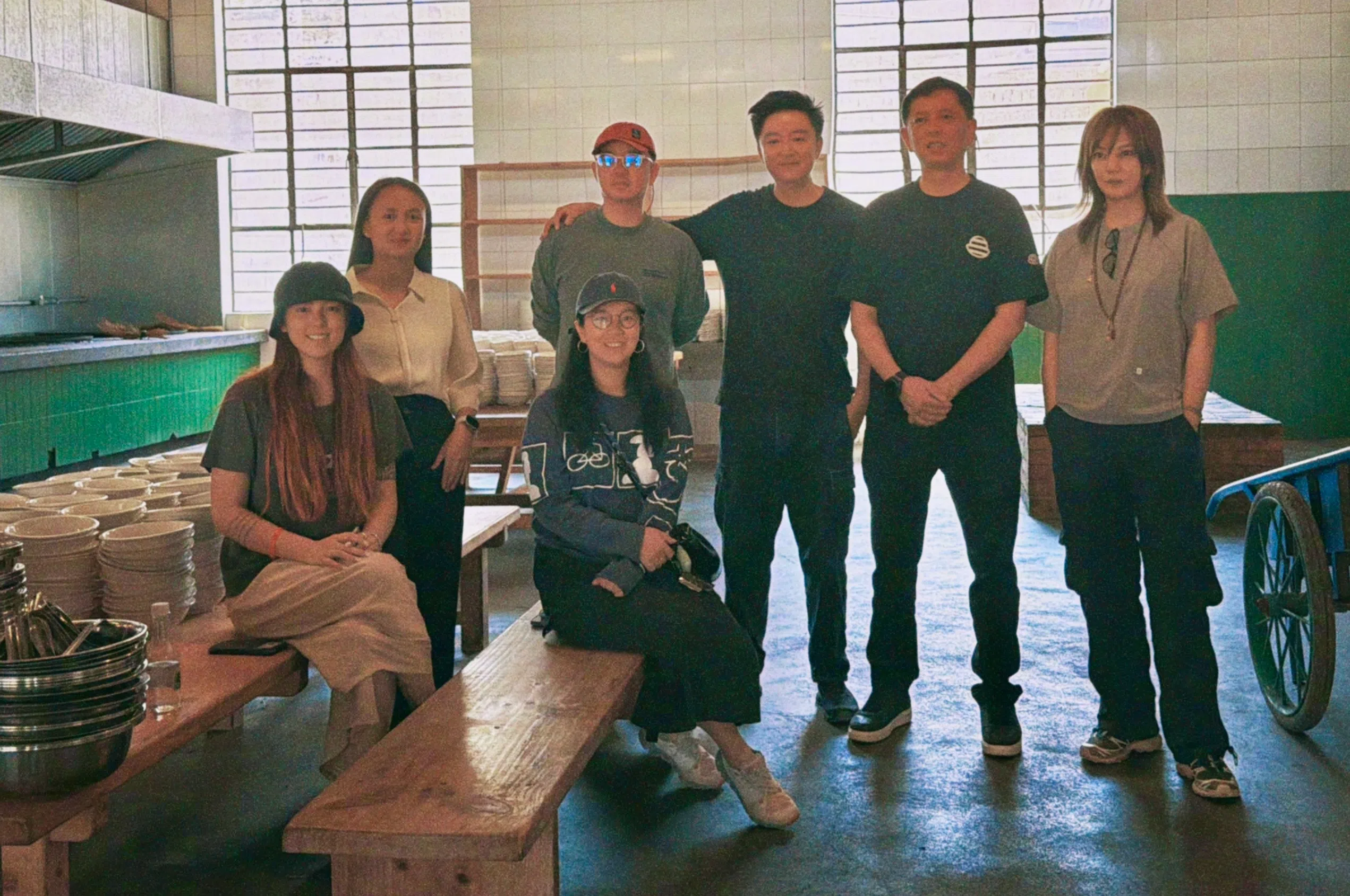
Looking back from where she is today, Zhao places greater value on listening to her inner voice, seeing this as a form of personal growth and progress. To her, what matters most in life is not meeting other people’s standards, but fully experiencing a life that is uniquely one’s own.
What would Zhao say if she could speak to her younger self in her 30s or 40s?
She smiled thoughtfully. Much as she would like to offer her younger self some advice, she said, every stage of life has lessons that must be experienced and faced personally. Even with the experience she now has, she could not spare her former self the detours.
“If I had to give one piece of advice that applies across the board, it would be this: don’t romanticise the past or idealise the future. All you really have is this moment.”
Freedom means being able to let go
Everyone longs for freedom, but Zhao’s understanding of it may differ from yours or mine.
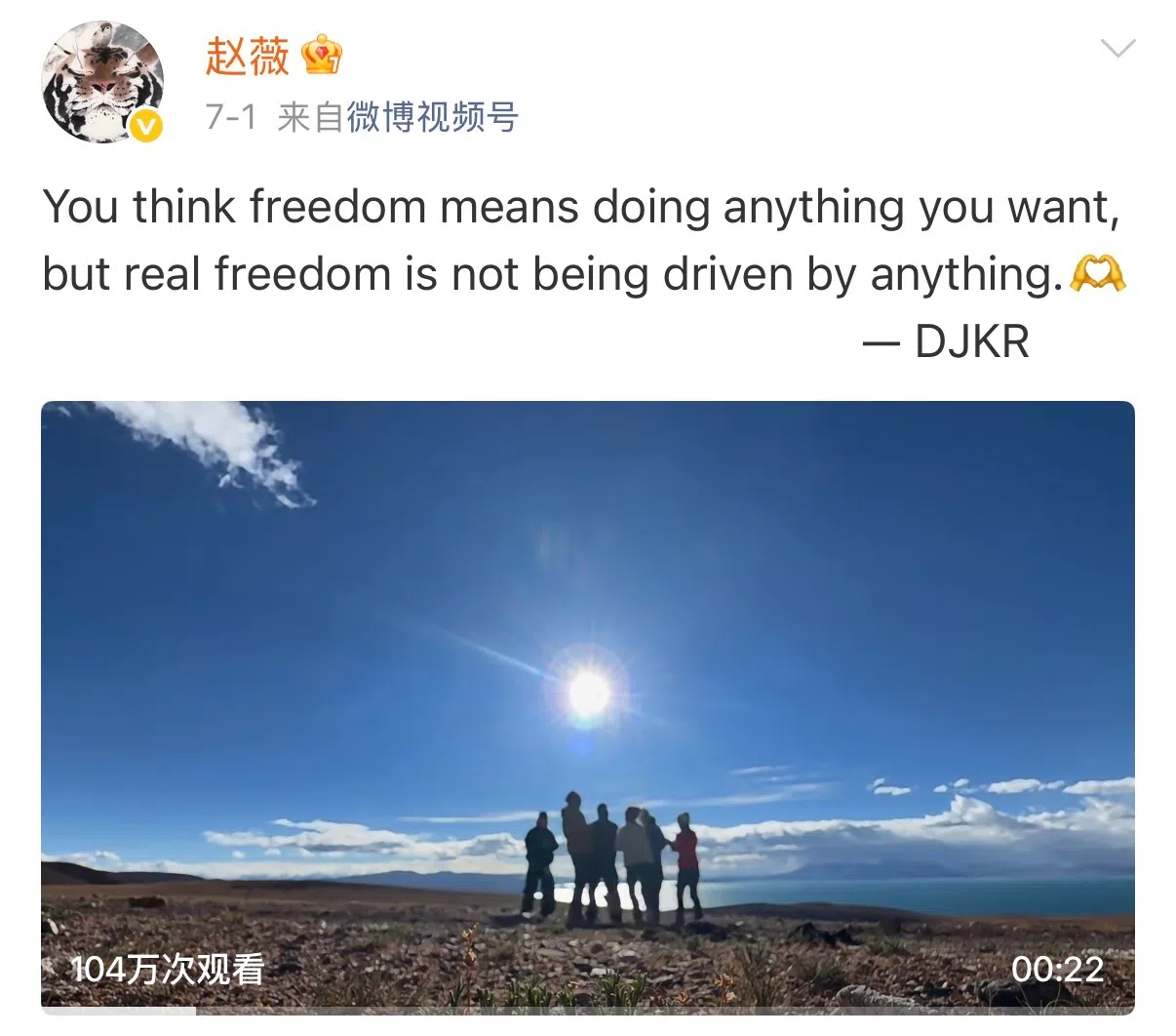
In early July 2026, she shared a quotation about freedom by Dzongsar Jamyang Khyentse Rinpoche on Weibo: “You think freedom means doing anything you want, but real freedom is not being driven by anything.”
When asked what had prompted her to share it, she said, “That is something my teacher said, and I think it makes a great deal of sense.”
She explained, elaborating, that people have many ideas about freedom, often equating it with having no one telling them what to do, doing whatever they please and disregarding everything else. But that kind of “freedom” often comes at a price.
To Zhao, the deeper meaning of the quotation is that true freedom means not being bound by anything.
For example, she said, loving someone deeply or becoming especially attached to something is often what makes you most vulnerable to being hurt. To attain freedom of body and mind, perhaps it is learning not to hold on too tightly to everything that can help you feel most at ease in your relationships.
For her, true freedom means being able to embrace things and let them go, taking everything in one’s stride. She added, “I am working very hard to learn how to face a life that is constantly changing.”
Exploring AI productions and hoping to work with Li Nanxing
Zhao has hardly watched any live-action short-form dramas, but revealed during the interview that she had recently spent a week or two watching AI-generated ones.
“I think they are very well made. I watch them to learn. Many new things exist for a reason, and we should try to understand them. It doesn’t cost anything, anyway.” She is now actively preparing to enter AI film and television production.
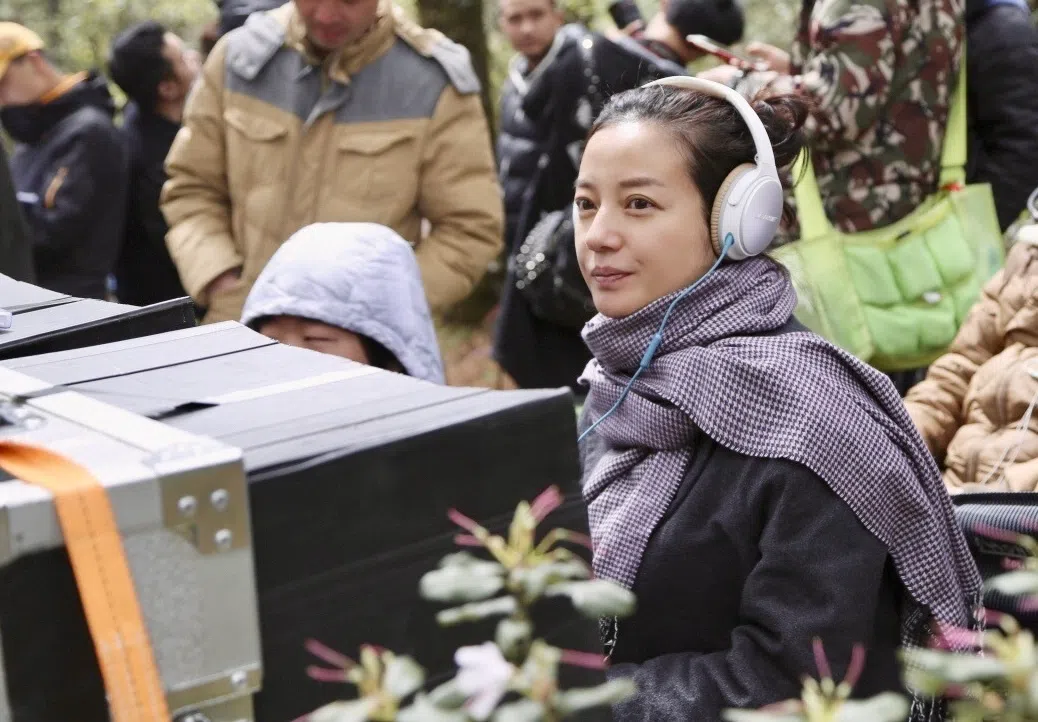
Zhao began working behind the scenes more than a decade ago. Her directing and producing credits include the 2013 film So Young, the 2019 film Two Tigers and the 2020 web drama Everyone Wants to Meet You.
Although she has stayed out of the public eye in recent years, her passion for film and television has not waned. She has continued working behind the scenes and writing scripts. “Eventually, I realised I still had to forge this path myself. Otherwise, constantly waiting for the right script is very tiring.”
As for the scripts she is currently working on, they are being written in preparation for upcoming AI productions. She said she was experimenting with friends on using AI technology to make short films and movies, though everything was still at an early stage.
“It may not become the dominant form, but it will definitely be part of the film and television industry.”
Zhao said AI was not only disrupting traditional film and television production, but also having a major impact on post-production, observing that “the more information people are exposed to, the less patience they have”.
She also believes AI-generated short-form dramas could be an even more formidable force than their live-action counterparts. Live-action productions must still incur many expenses for costumes, make-up and props, whereas AI can bring the words in novels and scripts to the screen more faithfully.
“Some of the AI dramas coming out of China now are really very good,” she said admiringly.
Although AI productions are a growing trend and have even reached prime-time slots on China’s satellite television channels, many viewers remain resistant, believing that AI cannot convey genuine human emotion.
Zhao, however, has drawn a different lesson from her mother. “From watching my mum, I discovered that this doesn’t seem to be a problem. She hadn’t been getting in touch with me much lately, so I asked what she was busy with. It turned out she was watching AI short-form dramas, and she said they were very good. When I asked why, she said everyone in them was so beautiful.”
As for her upcoming projects, might she work with Li Nanxing again, having previously invited him to appear in Everyone Wants to Meet You, which she produced?
Zhao said she very much hoped for more opportunities to collaborate with Li and Singapore teams on film and television projects, including in AI. “Since we share a language and there aren’t huge differences in how we see things, it is quite easy for us to like the same drama or work. If we could make something together, I think it would be all the richer for it.”
When asked whether she still yearned for life in front of the camera, Zhao said she was happy to let things take their course. She had set no specific goals and felt no need to return to her former life.
“I don’t think those things are important. I have tried everything. At this stage, going to places I haven’t been before may be a more important life experience.”
Her 16-year-old daughter is “the boss”
In 2010, Zhao gave birth to her daughter, nicknamed “Little April”, April Huang Xin, at Gleneagles Hospital in Singapore. In the blink of an eye, Little April has grown into a graceful 16-year-old.
Describing their relationship, Zhao joked that her daughter was “the boss” and she was “the employee”. When asked whether her daughter had the final say at home, she said she respected her wishes as far as possible, as long as she was not doing anything wrong. Her daughter did not make particularly unreasonable demands, either.
“I’m not someone who likes everyone to do as I say, so I think it’s good that she is happy to make decisions.”
Little April is reportedly attending a boarding school in Switzerland. Like many families, Zhao said, they spend time together whenever her daughter is on holiday.
When asked what she found most heartening as a mother watching her daughter grow more independent, Zhao admitted she felt “more worried than reassured”, because growing up brings challenges that everyone must face alone.
“No one can go through life without being tested and always be lucky,” she reflected. Once life’s lessons begin, they are full of unknowns and challenges. All she can do is let go and wish her daughter well as she makes her own way.
When her daughter encounters setbacks, Zhao feels a strong urge to help, but knows that most people must ultimately learn to pick themselves up after a fall.
However much advice others offer, she said, children will struggle to make use of it unless they have made mistakes and experienced setbacks themselves. Only through first-hand experience can they truly understand and remember those lessons.
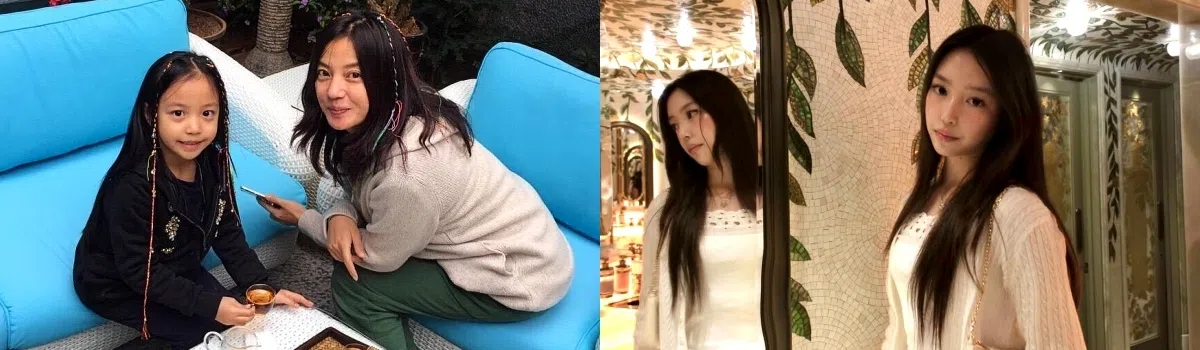
Her only wish for Little April is that she grows into a kind, open-minded person, “because the more open-minded you are, the more you can accept everything around you. That is really enough.”
If Little April wanted to enter show business one day, Zhao said without hesitation that she would support whatever her daughter chose to do, as long as it did not hurt others and, ideally, helped them.
When asked whether her daughter had any interest in the industry, Zhao waved her hand with a laugh. “As she gets older, I increasingly feel that she might not be cut out for it. Ha ha!”
Her daughter is going through a very shy phase of adolescence, she said, and may immediately withdraw into herself around strangers. “So she really admires people who express themselves well and can sing and dance in public. Even among her friends, she really admires the classmates who are very sociable.”
Does her daughter ever find her mother’s fame a burden? Zhao joked, “She probably wishes I could be even more famous. Ha ha, just kidding!”
Choosing books, travel and making dramas
At about 6pm on 20 October, a crowd of fans eager to catch a glimpse of Zhao joined the large media contingent outside Kim Robinson’s salon. Some came from her hometown of Wuhu in Anhui, while others worked in Singapore. One male fan had even flown all the way from China on his own, just to see his idol.
Zhao said she had also met a fan the day before the event who had flown in specially from New Zealand. “I was very touched. He had written me a very long letter, but what really struck me was that he brought several photographs of us together, taken at different points when I was in my 20s, 30s and 40s.”
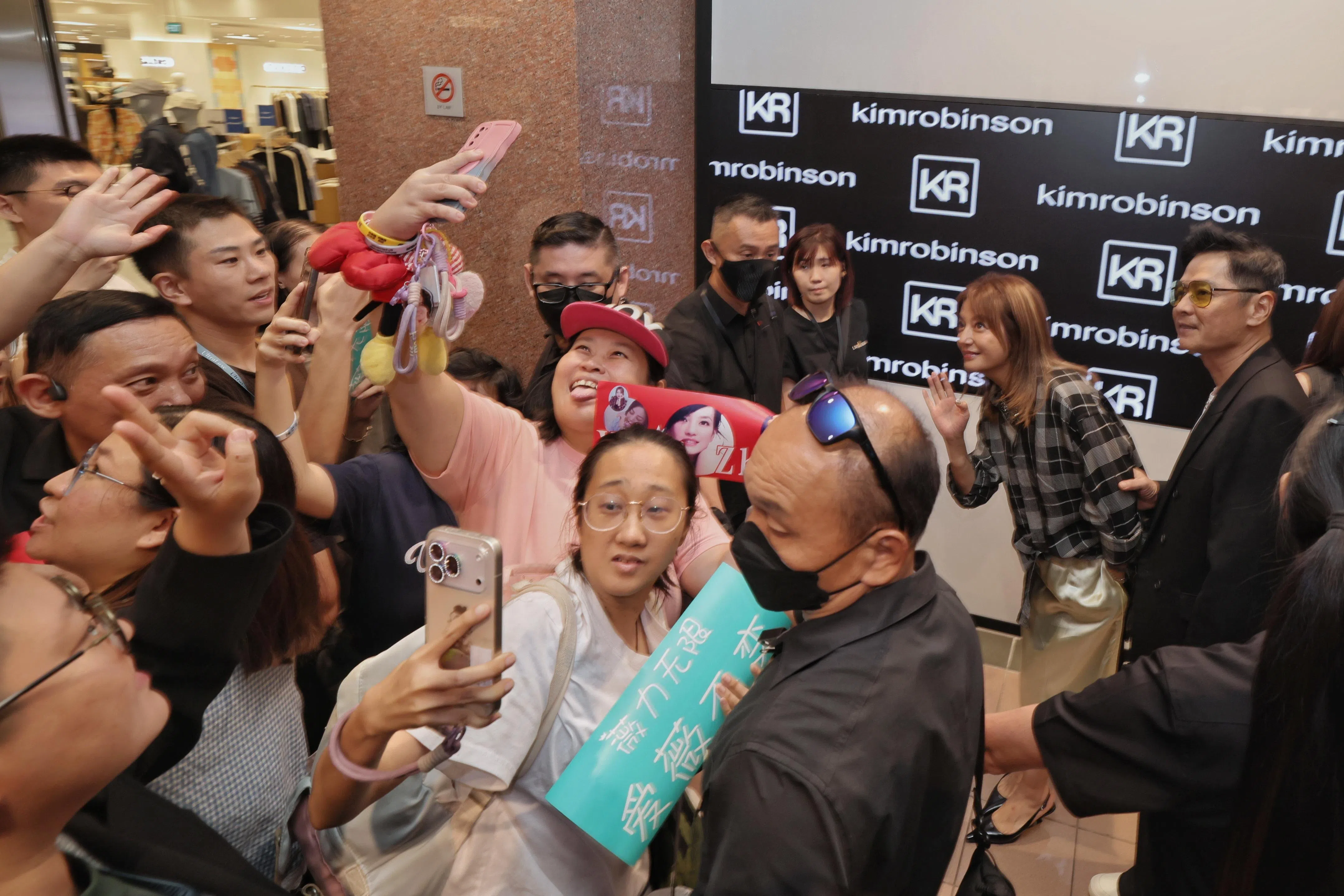
While sincerely grateful to fans who had travelled so far to wait for her, Zhao also hoped they would focus on their own lives.
“I don’t think there is any need to wait like this. At a certain point, someone may suddenly want a particular kind of life and choose to disappear from view. We all have many choices about how to live that are uniquely our own. Who knows what my choice might be?”
As for Zhao’s next “choice”, she mulled it over before saying, “To live well, read, travel and make some dramas. (Will you act in them?) Behind the scenes.”
