

Indonesia began reducing piped natural gas supplies to Singapore on Saturday (24 October). Shares in Sembcorp Industries, which imports piped natural gas from Indonesia, fell in response on Monday (26 October), while shares in Keppel, which imports natural gas from Malaysia, rose.
Analysts believe the cuts will have a limited impact on Singapore’s natural gas supply in the short term. However, further cuts by Indonesia or higher costs for alternative gas supplies could still affect power companies’ profits. Some analysts, however, believe companies could also benefit if the spread between electricity prices and natural gas costs widened.
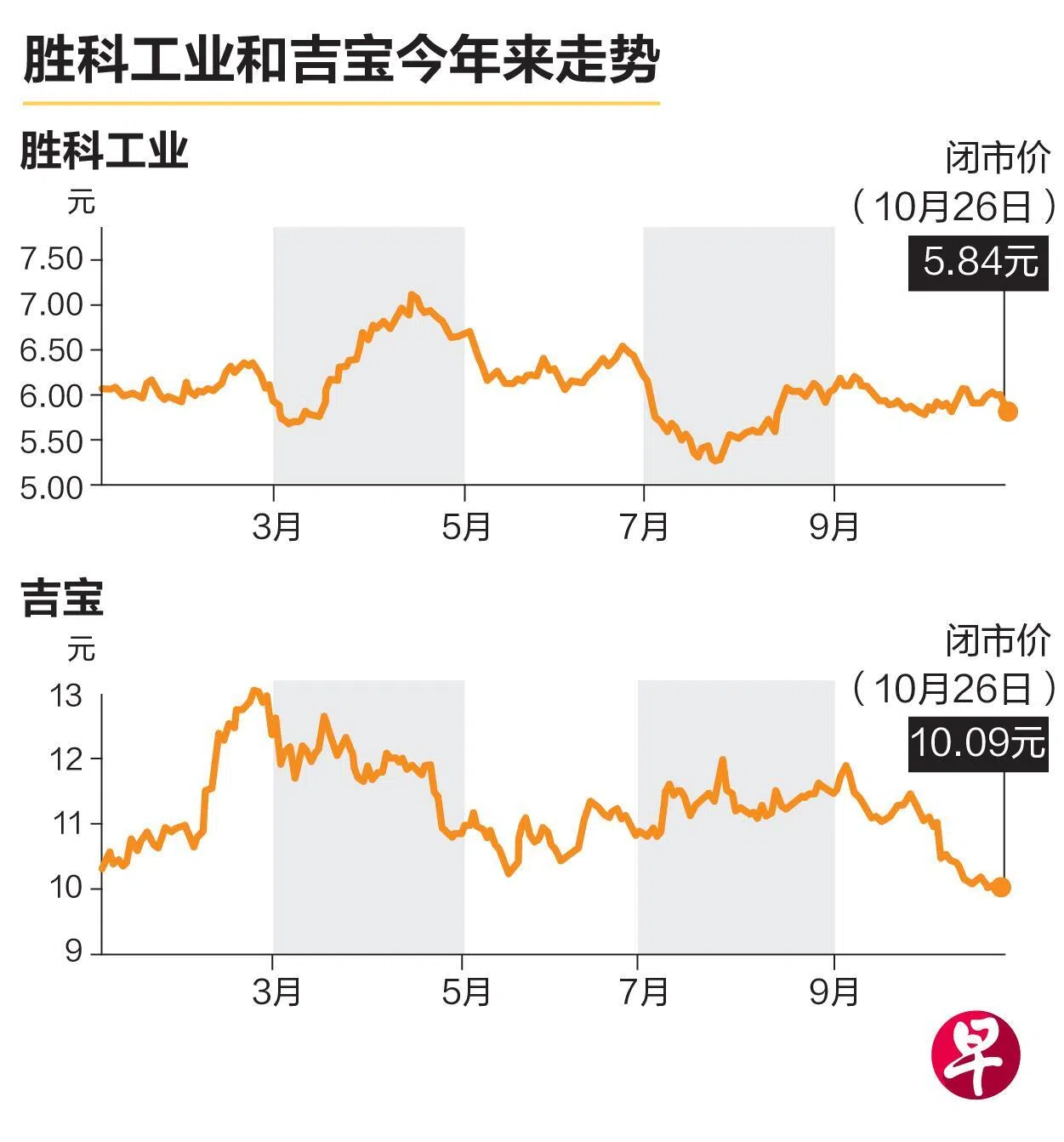
Sembcorp shares fell about 6% shortly after trading opened on Monday before paring their losses to close at S$5.84, with a final decrease of 2.83% for the day. Keppel rose 0.9% to S$10.09.
Sembcorp Industries sources most of its piped natural gas from Indonesia’s West Natuna. Senoko Energy, in which Sembcorp Industries holds a 50% stake, and Keppel’s Singapore operations import most of their piped natural gas from Malaysia.
Paul Chew, head of research at Phillip Securities, told Lianhe Zaobao that the impact on Sembcorp was expected to be limited. The company can increase liquefied natural gas (LNG) imports to make up for the reduction in piped gas supplies and has already arranged alternative gas sources.
DBS analyst Ho Pei Hwa said Singapore’s diversified gas supply sources would help cushion the impact of reduced piped gas supplies, with LNG accounting for about 57% of gas imports in 2025. Gas buyers are also prepared to increase LNG imports if necessary.
If Indonesia cuts supplies further or the reductions persist, power companies may have to make up the shortfall with more expensive alternative gas supplies, potentially putting pressure on power generation margins.
Ho said Indonesia was currently prioritising domestic energy demand and could continue adjusting supplies to other countries even where supply contracts were in place. This could also draw market attention to piped natural gas supplies from Malaysia, which is likewise facing rapid growth in electricity demand driven by data centre construction.
On Monday, Singapore’s Energy Market Authority (EMA) and Malaysia’s Energy Commission renewed a memorandum of understanding during Singapore International Energy Week to further strengthen bilateral energy cooperation. One area of cooperation covers the planning and reliability of electricity and piped natural gas systems.
Power spreads expected to stay elevated, potentially benefiting both companies
Despite the risks to gas supplies, analysts believe wider power spreads could create earnings opportunities for power generators.
Morgan Stanley analyst Mayank Maheshwari said Singapore’s power spreads had recently been elevated amid higher Asian LNG prices, growing electricity demand and disruptions to global energy supplies. Even as new generation capacity comes on stream, electricity supply could remain tight. Power spreads are expected to stay elevated until the second half of 2027.
Maheshwari estimated that about 33% of Sembcorp’s electricity contracts and 20% of Keppel’s would be up for renewal over the next few quarters, positioning both companies to benefit from higher contracted electricity prices.
Macquarie Research analyst Zhiwei Foo also believes Indonesia’s gas supply cuts could widen the spread between electricity prices and gas costs, although the increase is expected to be smaller than during the gas supply disruptions in 2021.
He said Singapore’s gas supply was now more resilient, with standby gas facilities in place and increased LNG supplies secured through centralised procurement, so the impact of the latest cuts on gas supply was expected to be relatively limited.
Foo believes wider power spreads will benefit Sembcorp and Keppel, with Sembcorp potentially gaining more. Although Sembcorp is directly exposed to Indonesia’s supply cuts, its role as an importer of both piped gas and LNG gives it some flexibility in managing supplies. The company has also previously said additional gas supplies are available. Macquarie therefore believes the company’s current gas supply is sufficient to meet demand.
Ho cautioned that although Sembcorp and Keppel had signed several long-term gas supply contracts, had mechanisms to pass through gas costs and used hedging to mitigate gas price volatility, some of their supplies were still covered by shorter-term contracts, including gas needed for the additional capacity at new power plants entering service this year.
