

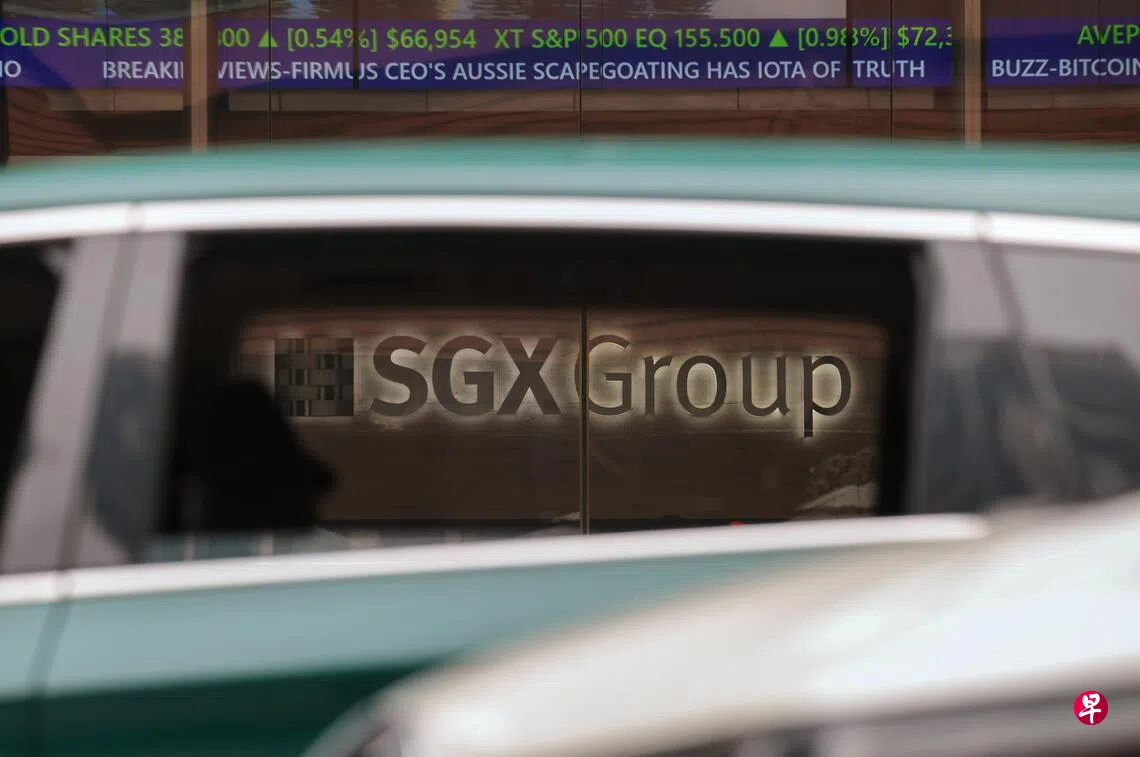
Could a listing next year by Mapletree Investments, one of Singapore’s two largest property companies, breathe life into the local IPO market?
Singapore’s initial public offering (IPO) market has not been particularly quiet this year, with 10 listings. But eight are already trading below their offer prices, some down more than 50%. With mounting macroeconomic challenges, the outlook for IPOs is uncertain. The newly launched Global Listing Board has yet to confirm an IPO either.
Against this backdrop, the news about Mapletree has drawn greater attention. Media reports last week said the property development, investment and asset management company, owned by Temasek, would launch an IPO early next year at a possible valuation of S$5 billion. At that valuation, Mapletree Investments could well become Singapore’s largest IPO in more than a decade.
The news is intriguing for investors at first glance. After all, Mapletree is a familiar local name. Singapore’s largest shopping mall, VivoCity, is among its assets, and three of its real estate investment trusts have been listed on SGX for years.
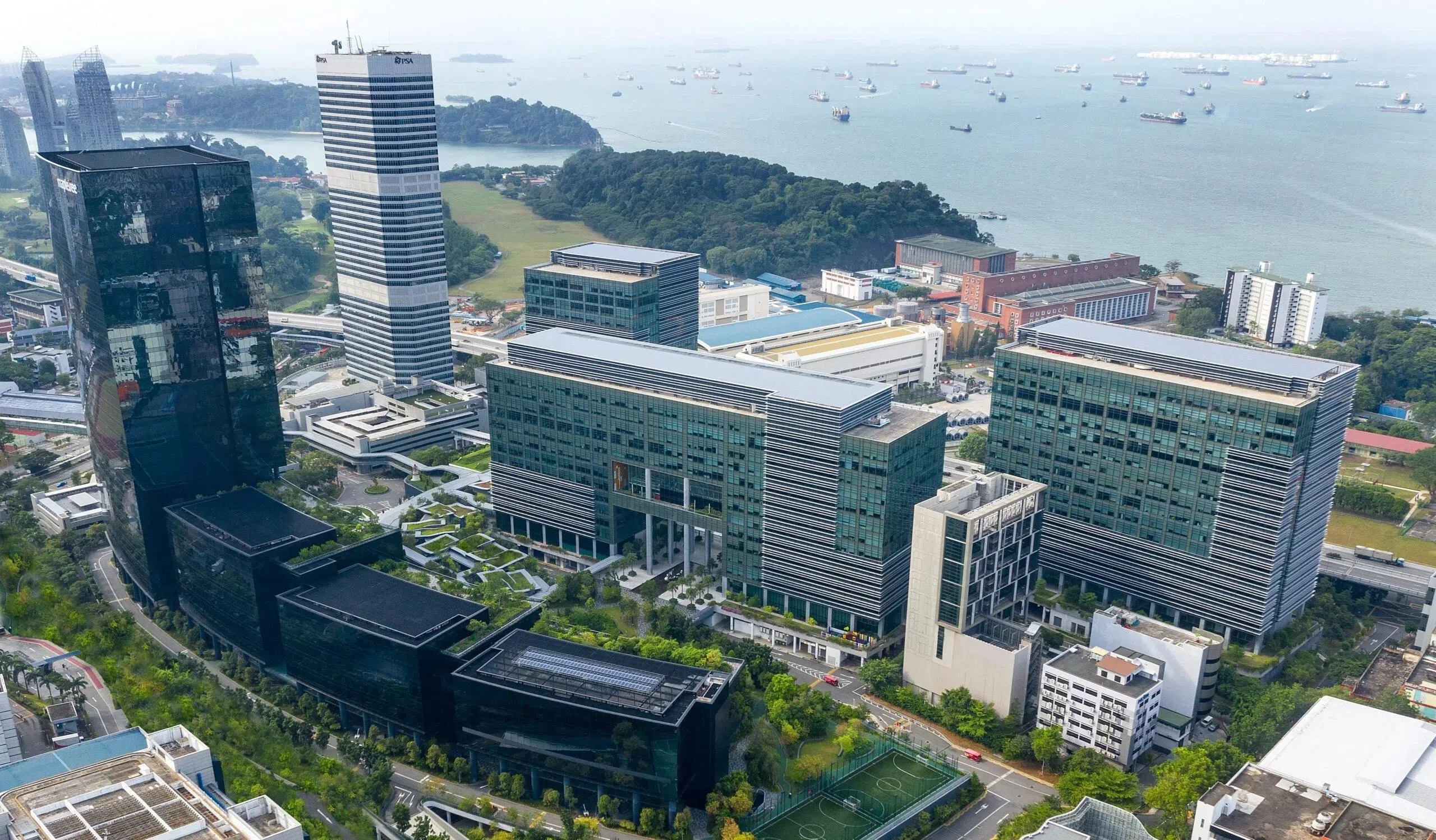
Details of the listing have yet to emerge. Some market participants say Mapletree Investments could be split into a listed entity and an asset-holding company. The listed entity would house fee-generating businesses involving REITs, private funds, joint ventures and development assets, and manage the asset-holding company’s assets. The latter would hold REITs, private funds, joint ventures and property development assets.
News of Mapletree’s possible listing also comes as speculation about a merger with CapitaLand Investment has subsided. Dow Jones reported last November that the two Singapore property giants were considering a merger to create one of Asia’s largest property companies. This was reportedly part of a recent series of moves involving Temasek-owned companies to assess options for reshaping its portfolio companies into stronger global businesses.
Market observers, however, were sceptical about a merger. CapitaLand Investment follows an asset-light fund management model, while Mapletree still has numerous property development projects. Both have substantial assets in China. Faced with a weak Chinese market, CapitaLand Investment is working to recycle capital through China’s REIT market and renminbi-denominated funds. A merger would only increase the drag from Chinese assets. Add differences in corporate culture and the question of which company would take the lead, and it is little wonder that the merger has struggled to make headway.
Meanwhile, the Equity Market Development Programme (EQDP), launched last year, has given the local stock market a lift. Despite a recent correction sparked by artificial intelligence concerns and US interest rate increases, Singapore stocks are still up nearly 13% this year. With the market also looking forward to a heavyweight local IPO, there is a case for listing Mapletree Investments.
Weak REIT performance weighs on confidence in Mapletree
One major headwind for property companies, however, is the current cycle of rising interest rates. In the 2023/24 financial year, Mapletree posted a full-year net loss of S$577.2 million because of asset revaluation losses, as higher interest rates pushed up property capitalisation rates. It returned to profitability the following year. In the 2025/26 financial year ended in March this year, net profit rose 25.7% to S$285.6 million.
The interest rate outlook now faces fresh uncertainty. Markets expect two US rate increases, in December and March next year. Oil prices remain above US$100 a barrel, and Goldman Sachs has raised its forecast for next year’s average oil price from US$80 to US$88. A Reuters survey of more than 500 economists worldwide showed that 2027 inflation forecasts had been raised for 31 of the 50 economies covered.
Mapletree’s three listed REITs have also performed poorly this year amid expectations of higher interest rates and challenges specific to their businesses. Mapletree Pan Asia Commercial Trust (MPACT) is down about 20%, while Mapletree Industrial Trust and Mapletree Logistics Trust have fallen about 17%. All have underperformed the broader REIT market, which is down 13%. Overseas markets such as mainland China, Hong Kong and Japan are among the drags on performance.
The REITs’ weak performance will inevitably weigh to some extent on investor confidence in Mapletree Investments.
Like its REITs, Mapletree has substantial overseas assets alongside its Singapore holdings, which account for 24% of its portfolio. North America makes up the largest overseas share at 22%, followed by mainland China at 15% and Hong Kong at 10%. Other holdings are in Europe, the UK, Japan and Southeast Asia, among other markets. Each market’s challenges, as well as currency fluctuations, affect the bottom line.
Whether Mapletree’s IPO is worth looking forward to will depend on which businesses and assets are ultimately included in the listing. Those planning the IPO should make enhancing shareholder value their ultimate goal, rather than simply treating public markets as a means of raising funds for the company.
Of course, whether Mapletree will ultimately list during a rising interest rate cycle remains an open question. In 2022, it cancelled the listing of a student accommodation REIT because of rising rates.
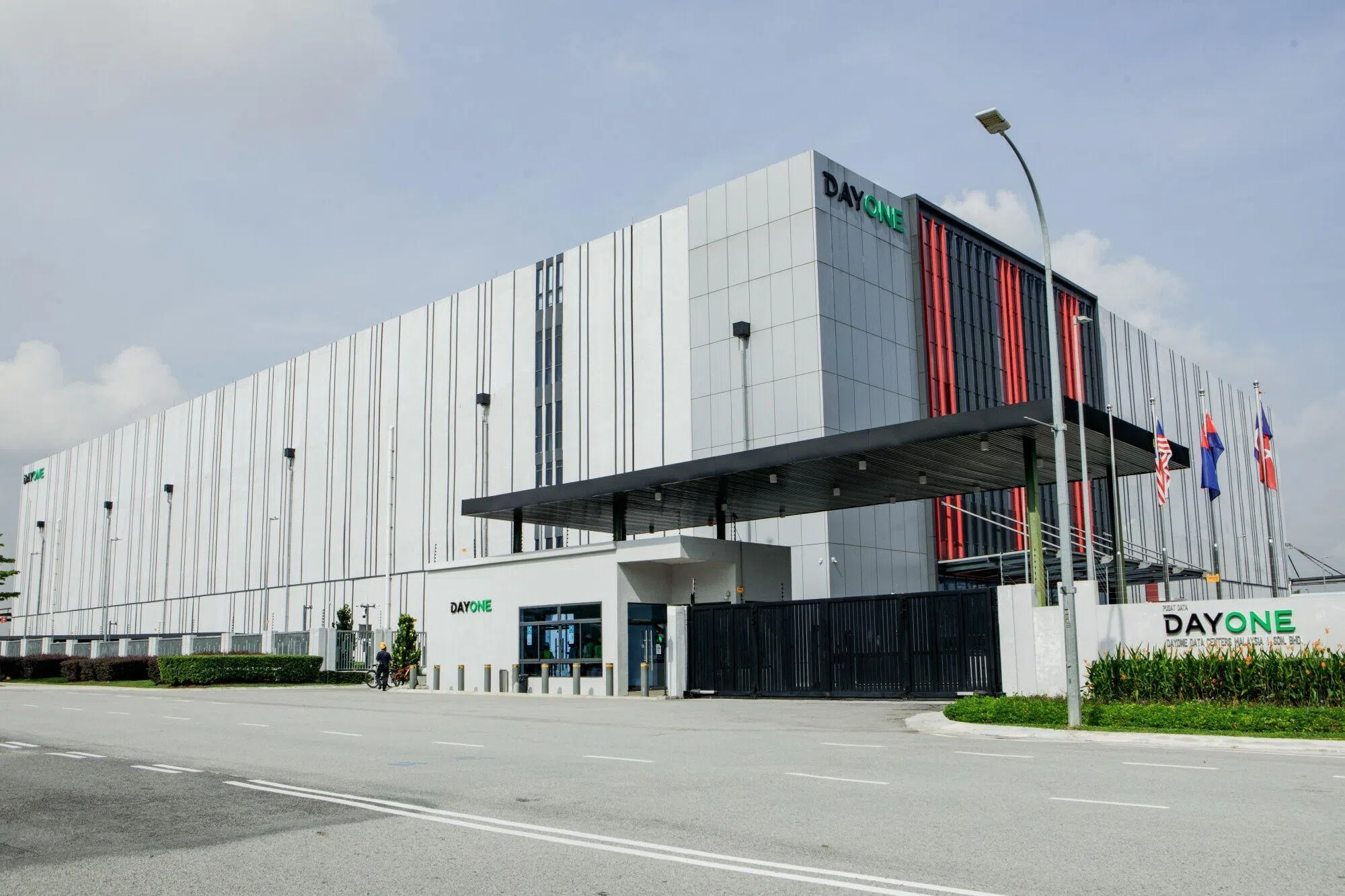
Several other planned listings have recently been put on hold, and not just in Singapore. Australian data centre operator AirTrunk, backed by Blackstone, has postponed plans to list a REIT in Singapore until next year. Minor Food Group, the restaurant business of Thai hotel group Minor International, has also deferred its Singapore listing plans until next year. Singapore-based data centre company DayOne is reportedly reassessing plans for a US listing, while Australian data centre company Firmus’s IPO has been shelved.
When markets become more volatile and interest rates are expected to rise, newly listed stocks may be seen as riskier because they lack an established track record. This is one reason for the weak performance of new listings this year. A heavyweight IPO is needed to restore confidence.
SGX has yet to resolve the lack of momentum in local IPOs
When it comes to reviving the local IPO market, the role of SGX cannot be overlooked. Its chief executive, Loh Boon Chye, recently announced his retirement. Over his tenure of more than 11 years, SGX has performed strongly as a company: its share price has risen more than 150% since he took the helm, and net profit after tax has grown 112%. But as an exchange, it has yet to truly resolve the lack of momentum in local IPOs.
The gap between its corporate performance and the IPO market is not difficult to understand. The exchange has diverse revenue streams, with derivatives, foreign exchange, data and indices all contributing income. It does not depend entirely on new listings.
Regulators have recently made procedural changes. The Monetary Authority of Singapore (MAS) will delegate the review of prospectuses for Mainboard and Global Listing Board listings to Singapore Exchange Regulation (SGX RegCo), effective from 4 January 2027. Previously, companies had to apply to SGX RegCo for a listing eligibility review and separately submit their prospectuses to MAS. Under the new rules, they need only submit their listing applications and prospectuses simultaneously through a single electronic platform. SGX RegCo will also abolish its Listings Advisory Committee, with the aim of completing reviews within six to eight weeks.
This is a pragmatic step that addresses companies’ complaints about cumbersome listing procedures and unpredictable timelines. But streamlining the process merely lowers the barriers to entry; it does not guarantee that companies will want to enter. For Loh’s successor, this may be the biggest test: how to make the local market not just an active trading venue, but also a fundraising platform that companies want to come to and investors want to stay in.
