

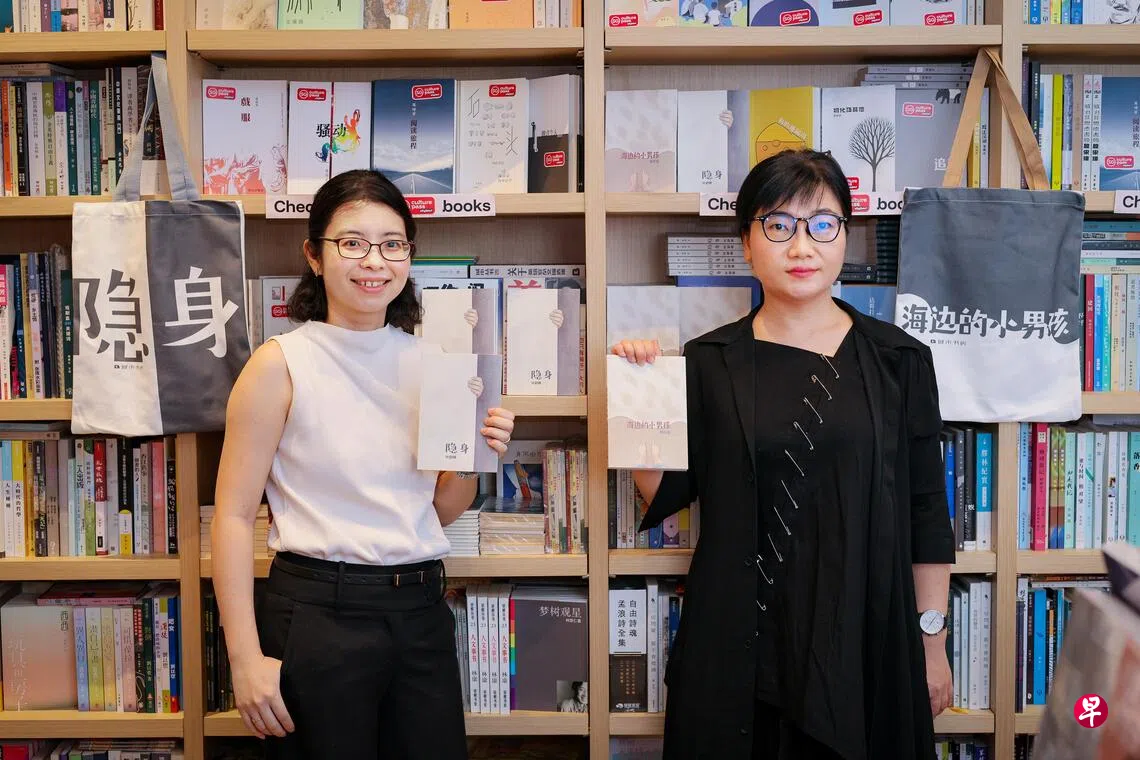
Which is harder: writing fiction or conducting biological experiments?
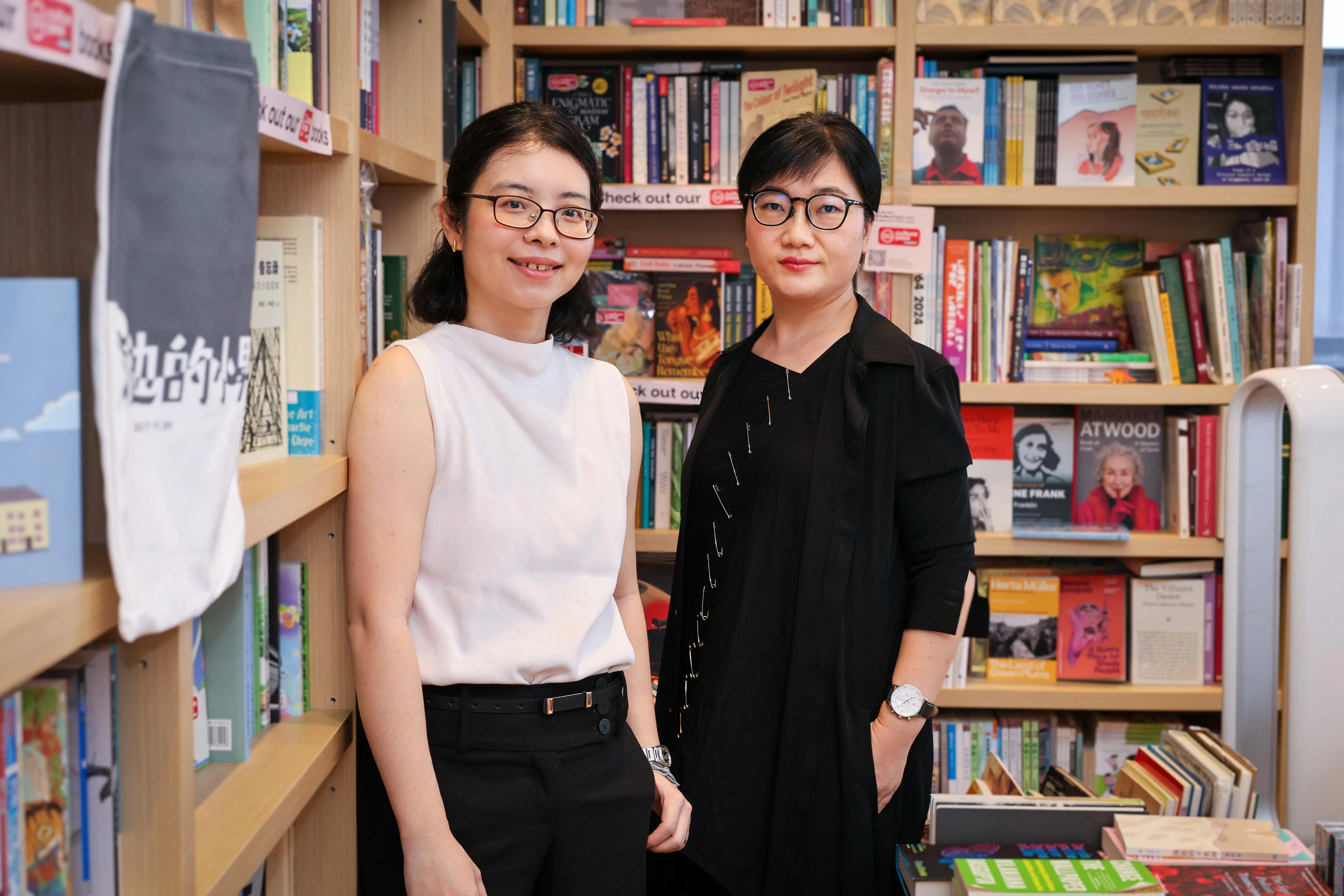
The question draws utterly different answers from two Singapore writers with backgrounds in the biological sciences. Yu Liyan laughs: “Writing is so much better than doing biology, apart from the fact that it doesn’t pay.” Ye Shulin, however, shakes her head repeatedly: “Writing is exhausting and painful for me. The emotional swings are too great. Doing biological experiments is much easier.”
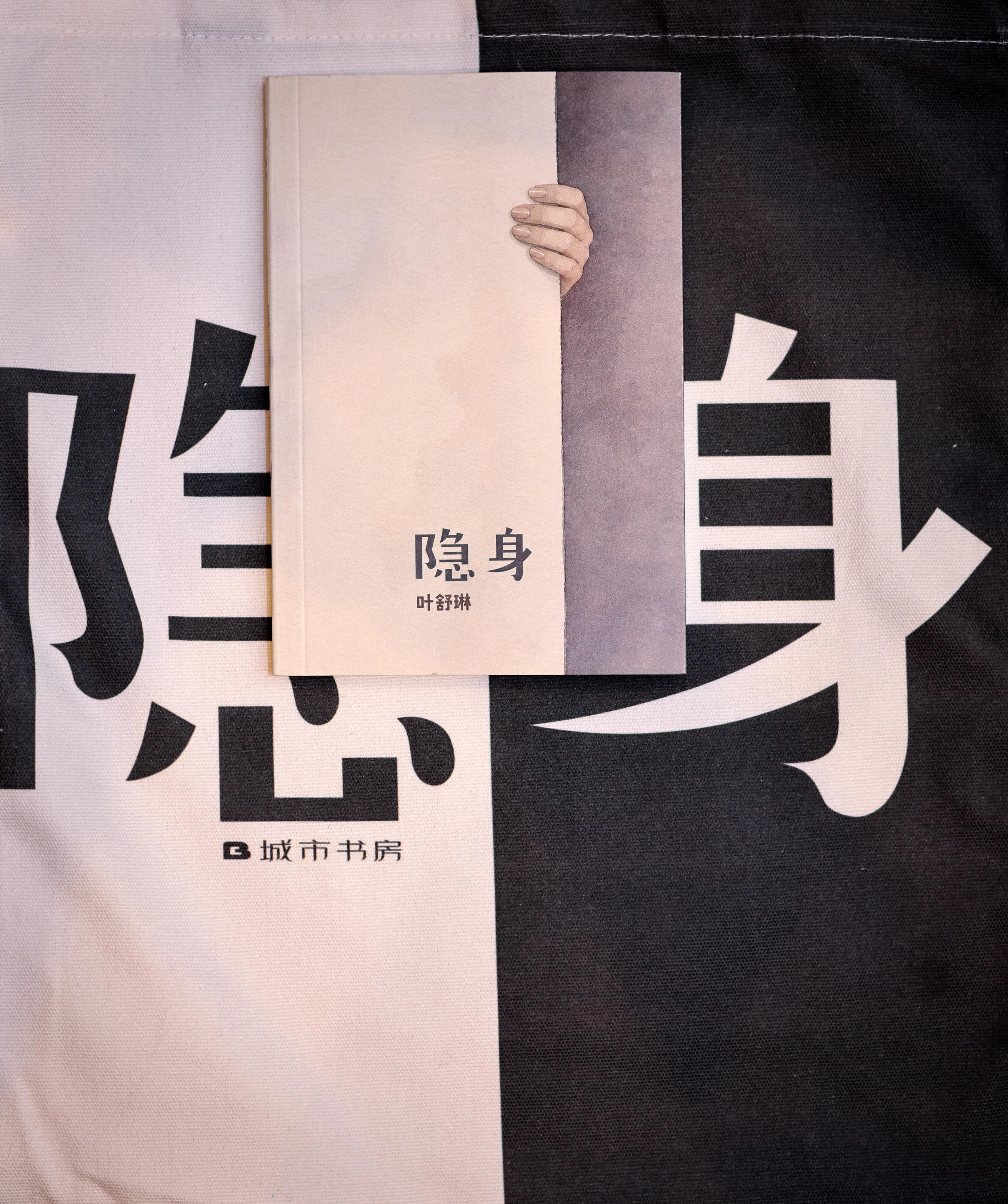
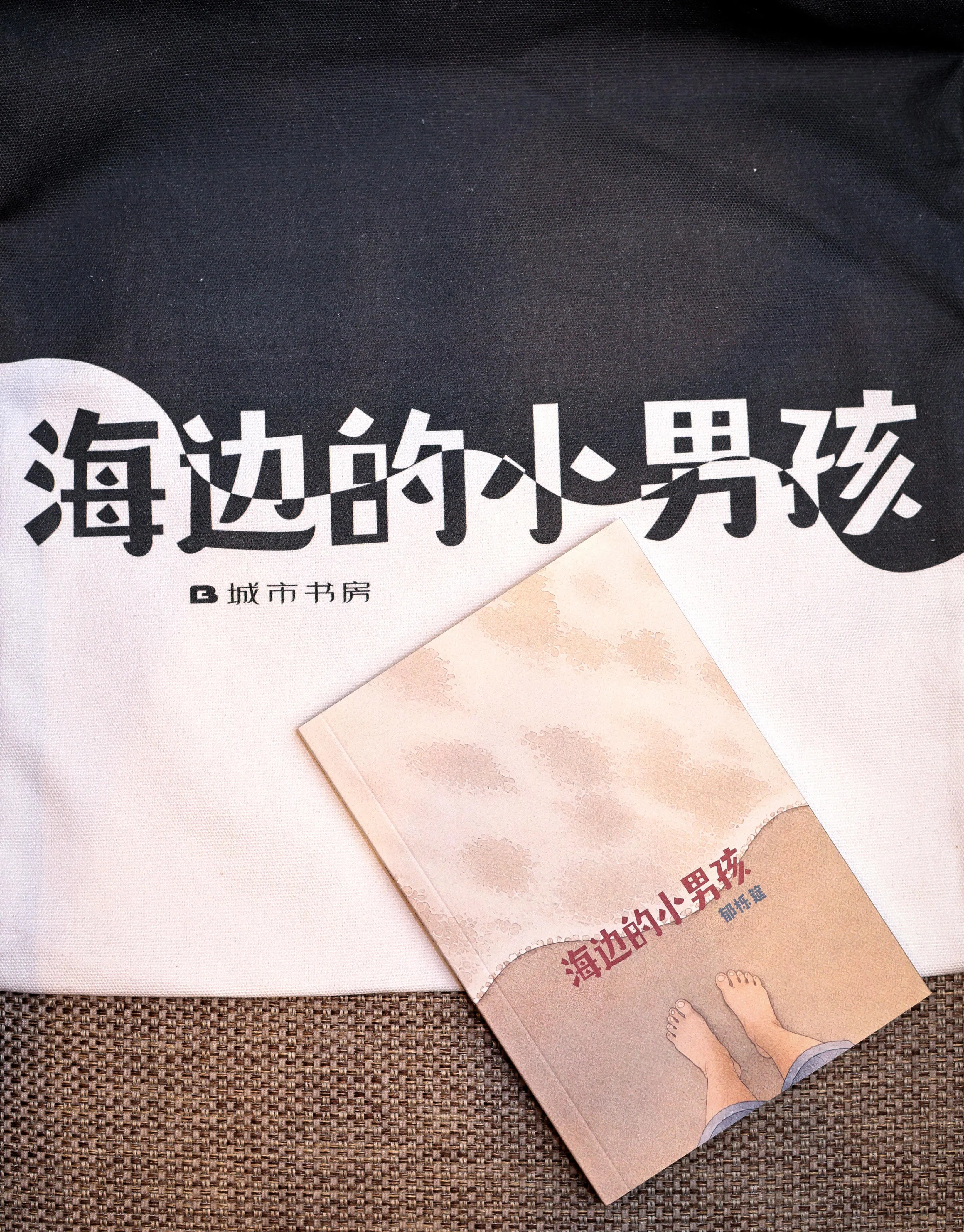
Straddling rational inquiry and emotional expression, their works have been selected for the third edition of the My First Book initiative and will soon be launched at the Singapore Writers Festival. Ye’s Invisible contains seven short stories and seven pieces of flash fiction, tracing women’s lives as they grow older. Yu’s The Little Boy by the Sea comprises eight stories, offering a panorama of diverse cultures across time and space.
Writing fiction is a rational undertaking
At the turn of the century, news of the decoding of the human genome was everywhere, and biology seemed to hold boundless promise. It was amid this wave of enthusiasm that Yu and Ye entered the laboratory.
Yu, whose real name is Liu Chang, was born in China’s Heilongjiang province. She holds a bachelor’s degree in biology from Fudan University and a master’s in ecology from Peking University. When she was young, reports of poets taking their own lives left her worried for a time that writing could drive people mad. “Only when I actually started writing did I realise that fiction requires you to build a structure. It is a rational undertaking.”
Yu came to Singapore in 2008. “I was in my 20s then. Walking down the street and seeing people of different skin colours, ethnicities and languages felt so vibrant and rich. I began recording my impressions on a blog. It was Singapore that awakened my desire to write.” In 2014, tired of an academic routine spent washing laboratory vessels day after day, she decided to leave the lab. The following year, she won second prize in the Chinese short story category of the Golden Point Award and began translating nature writing and writing fiction.
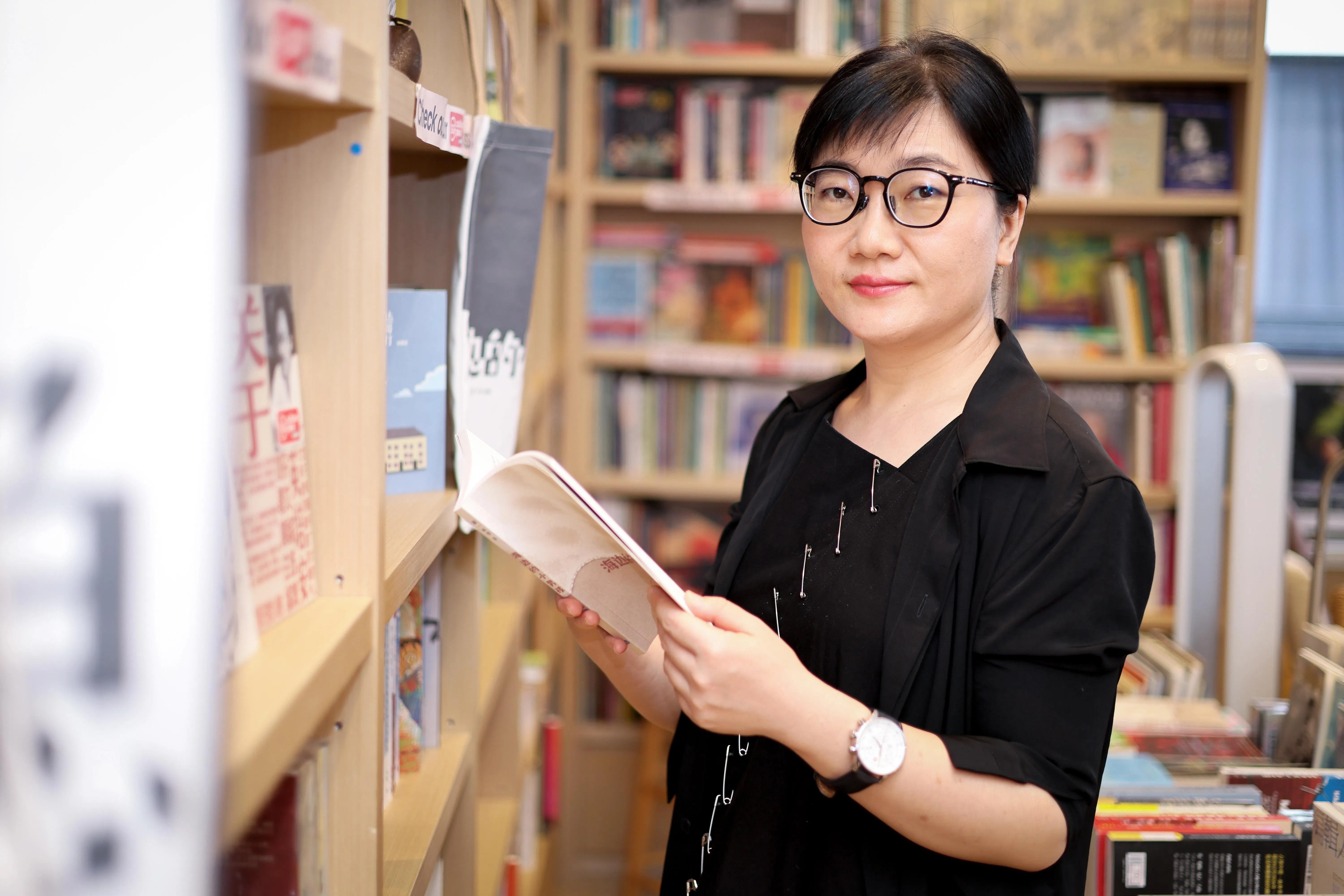
Ye, who grew up on the outskirts of a town in Johor, Malaysia, has also followed a winding path. She was educated in Malay from childhood, and at her school, high-achieving students were automatically placed in the science stream. “In secondary school biology class, many of my classmates aspired to study medicine, but I told my teacher I wanted to ‘be a writer’. To me, studying science and loving literature were not at odds. Studying biology could give me more resources to draw on; my love of words was a separate matter.”
Her literary awakening began at seven, when she received her first payment for a piece titled “My Little Sister” (《我的小妹》). From then on, she found nourishment in newspaper literary pages. At university, she joined the first cohort of Huang Kaide’s writing class at Nanyang Technological University. But a heavy research workload, coupled with the emotional strain of writing, led her to put down her pen for more than a decade. After completing her PhD at the university, she decided against postdoctoral research, giving herself a year to write at home before returning to work. She has won top prizes in the Malaysian Chinese fiction and newcomer fiction categories of the Hua Zong Literary Award. In 2025, she resigned from her job and returned to writing, preparing a book at Huang’s invitation.
Microscopes and food webs
How does scientific training feed into literary creation? Here, too, the two writers observe the world at different scales.
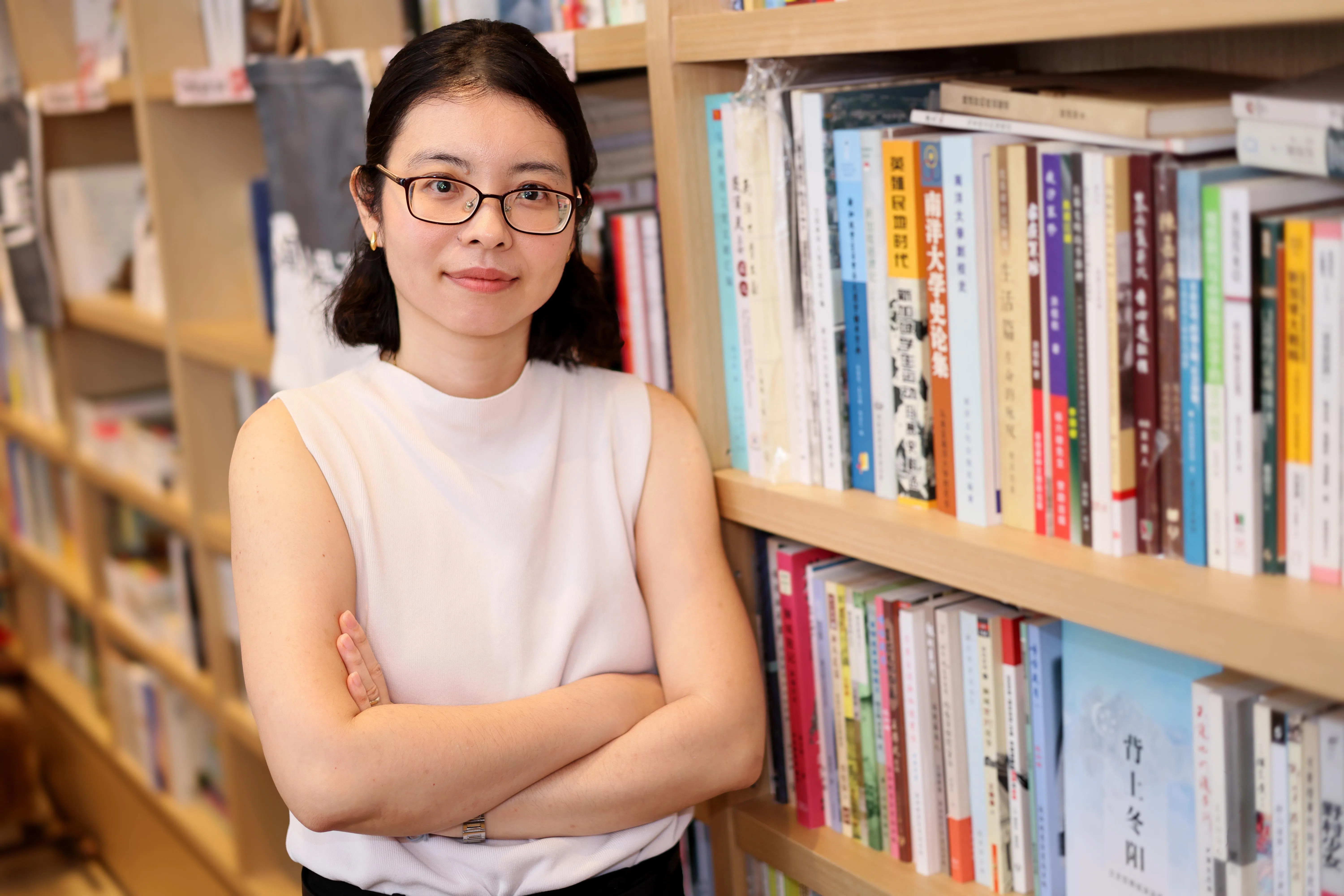
Ye, who specialises in molecular biology and infectious disease research, habitually delves into minute details as though peering through a microscope. “But when you have drilled very deeply into one point, you have to force yourself to step back and ask where the bigger picture is.” Each short story in Invisible focuses on a different age, from an innocent young girl to an elderly mother. Most of the characters are strangers who might pass one another in the street, yet together they form a continuous portrait of the stages of life.
Yu, by contrast, admits that she finds the molecular world too abstract. She switched to ecology during her postgraduate studies and discovered its roots in the natural history tradition of the 18th century. Through broader perspectives such as food webs and dynamic equilibrium, she came to understand the connections between all living things. “Readers have told me that the plants, animals and people in my fiction are organically intertwined, revealing a view of the natural world that ‘decentres humans’.”
Reading each other’s new works, both recognised the imprint of a scientific education. Yu describes Ye’s prose as that of “someone who has wielded a scalpel”, confronting illness and wounds as calmly as a doctor writing a diagnostic report. Reading Yu’s short story “Night Safari” (《夜间动物园》), meanwhile, felt to Ye “like attending a natural history lesson”. The story also won Yu first prize in the Chinese short story category of the 2019 Golden Point Award.
The kitchen is their study
When the conversation turns to the competing demands of writing, motherhood and work, the two mothers exchange rueful smiles. Once children arrive, the notion of a writer’s study ceases to exist.
For both, the kitchen is where most of the writing happens. Yu says: “Although I have a study at home, I’m most productive in the kitchen. I type while keeping an eye on a pot of soup on the stove. Making soup is the least trouble — I don’t have to keep getting up.” For the mother of two, daily chores and literary inspiration are “completely mixed together”.
Ye treats full-time writing as a precisely organised job, keeping strict working hours. Even her housework follows the workflow design of a laboratory, with the aim of achieving the greatest output with the least wasted effort.
Yet interruptions always come without warning. Yu offers an analogy: “Having your writing interrupted is like being an actor whose director keeps calling for another take. The first time you cry, the emotion is real. By the third or fourth time, you feel numb. But there’s no way around it, so you carry on writing, a sentence or two at a time.”
Why keep writing, then? And why do others continue to support it? Ye draws on her laboratory experience: “My research supervisor once said that 99% of experiments end in failure. Amid that unbroken succession of failures, we can only look for the faintest clues that will help us keep going.” To her, the third edition of the My First Book initiative, jointly launched by City Book Room and the Singapore Book Council, is precisely that shaft of light breaking through the cracks of failure. “Keep your eyes fixed on it, and the light will gradually grow.”
Yu shares that feeling. At a time when literature is increasingly marginalised, she sees the willingness to support unpublished newcomers without regard for financial returns as a tremendous encouragement and affirmation. “Self-publishing is expensive in any country. I hope there will be a ‘second book’ initiative too, with a team to put the books together, so that writers can simply get on with writing.”
▲Book launch: My First Book initiative — Yu Liyan and Ye Shulin
Date: Saturday (21 November), 1pm to 2pm
Venue: The Arts House, Screening Room (Screening Room, The Arts House at the Old Parliament)
Admission is free. Register at: bit.ly/4AmkFCX
