

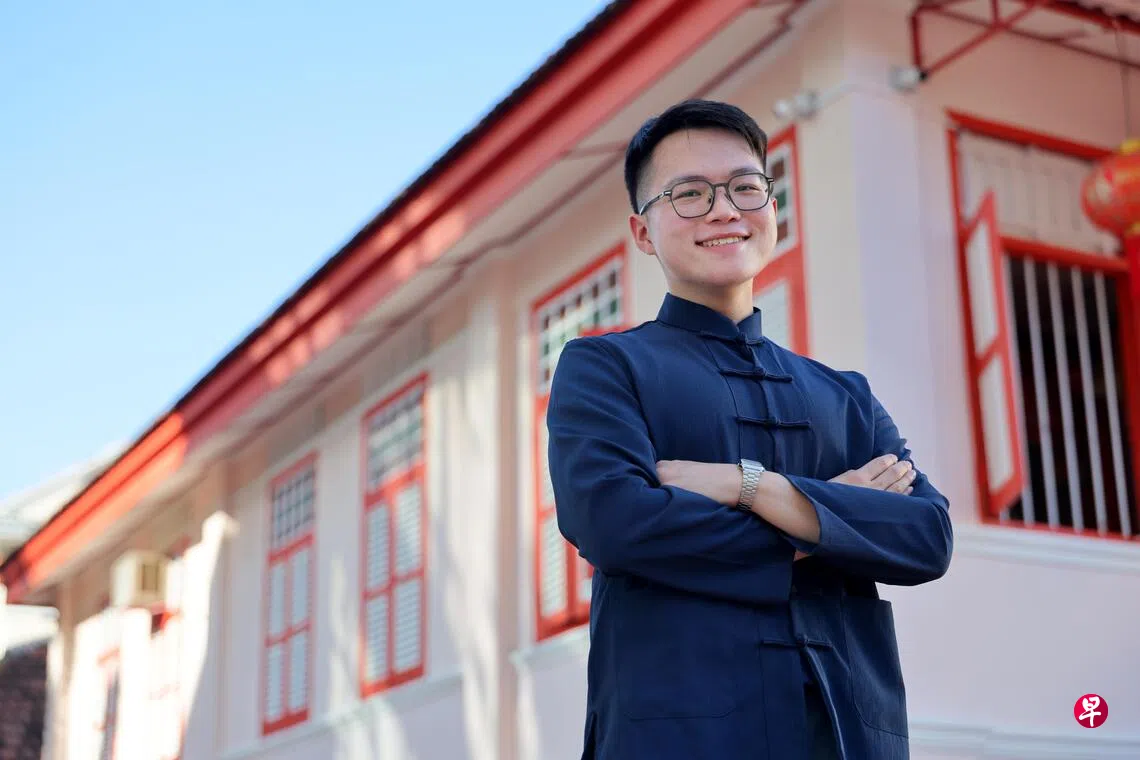
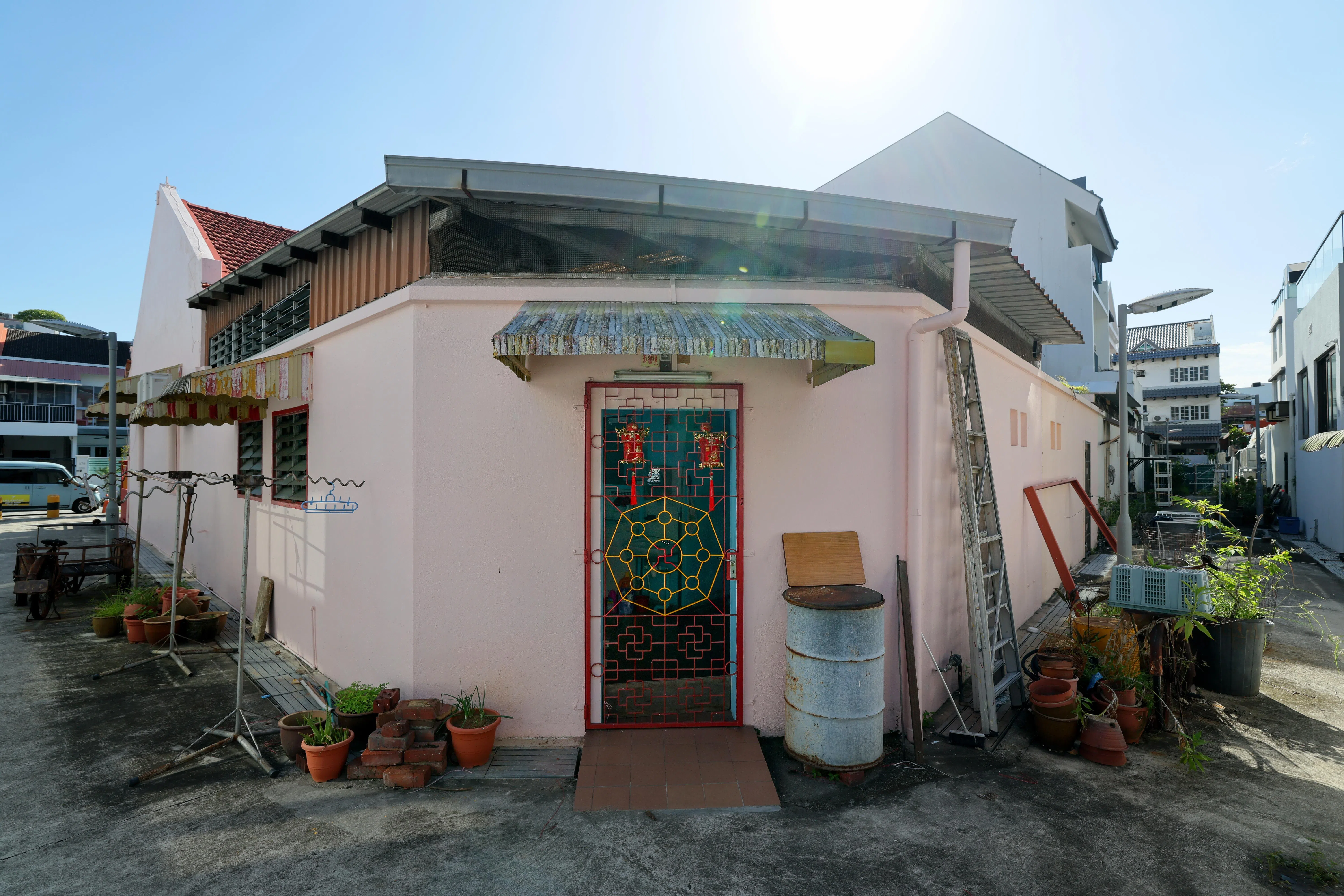
If you turn the corner from Carpmael Road in Joo Chiat, you will find yourself in a Nyonya family temple where incense burns quietly. Decades ago, Jindi, the spirit medium who presided over the family temple, came from Kinmen in Fujian. As she grew close to the Nyonyas in the neighbourhood, she too began wearing the sarong kebaya and embracing different faiths.
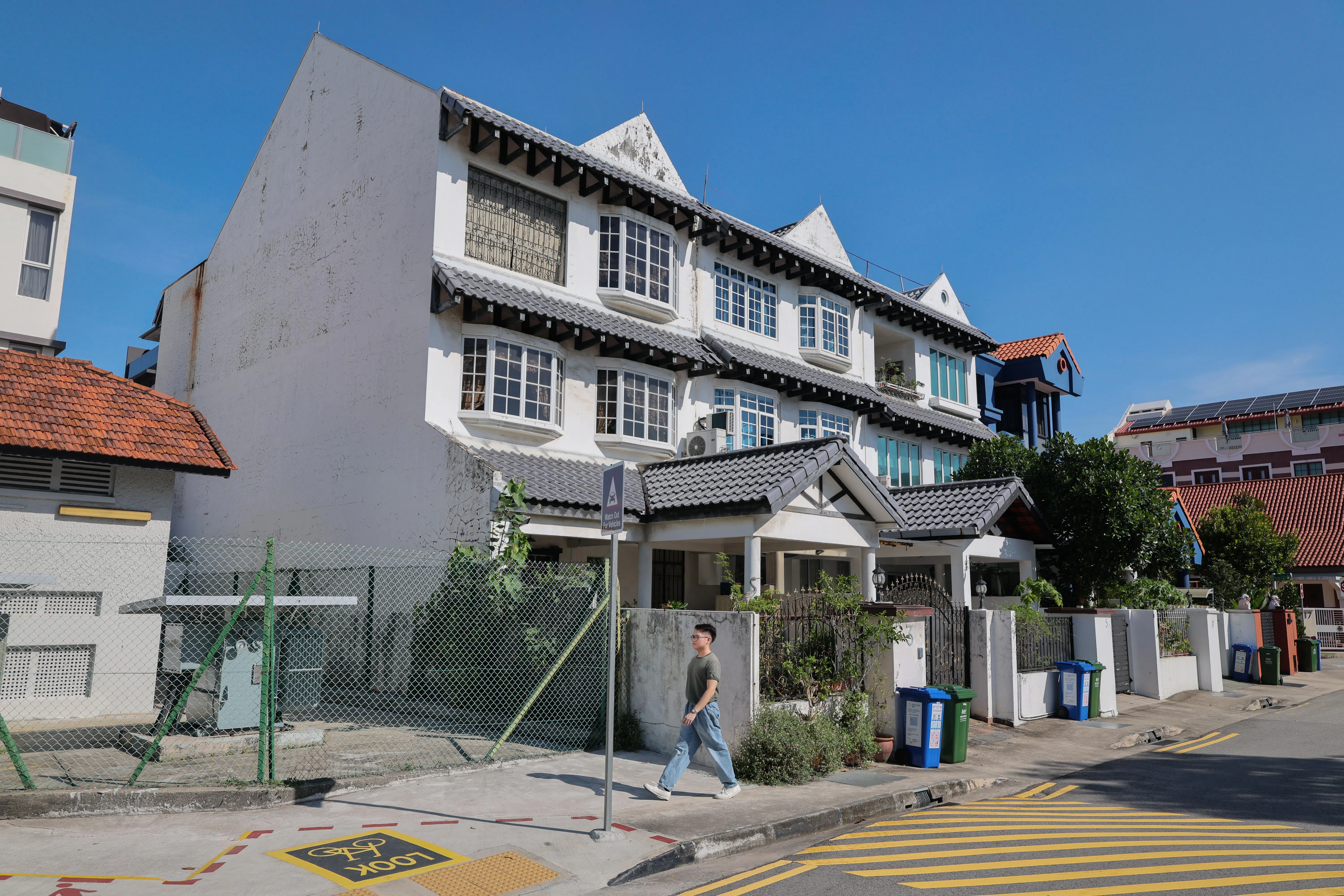
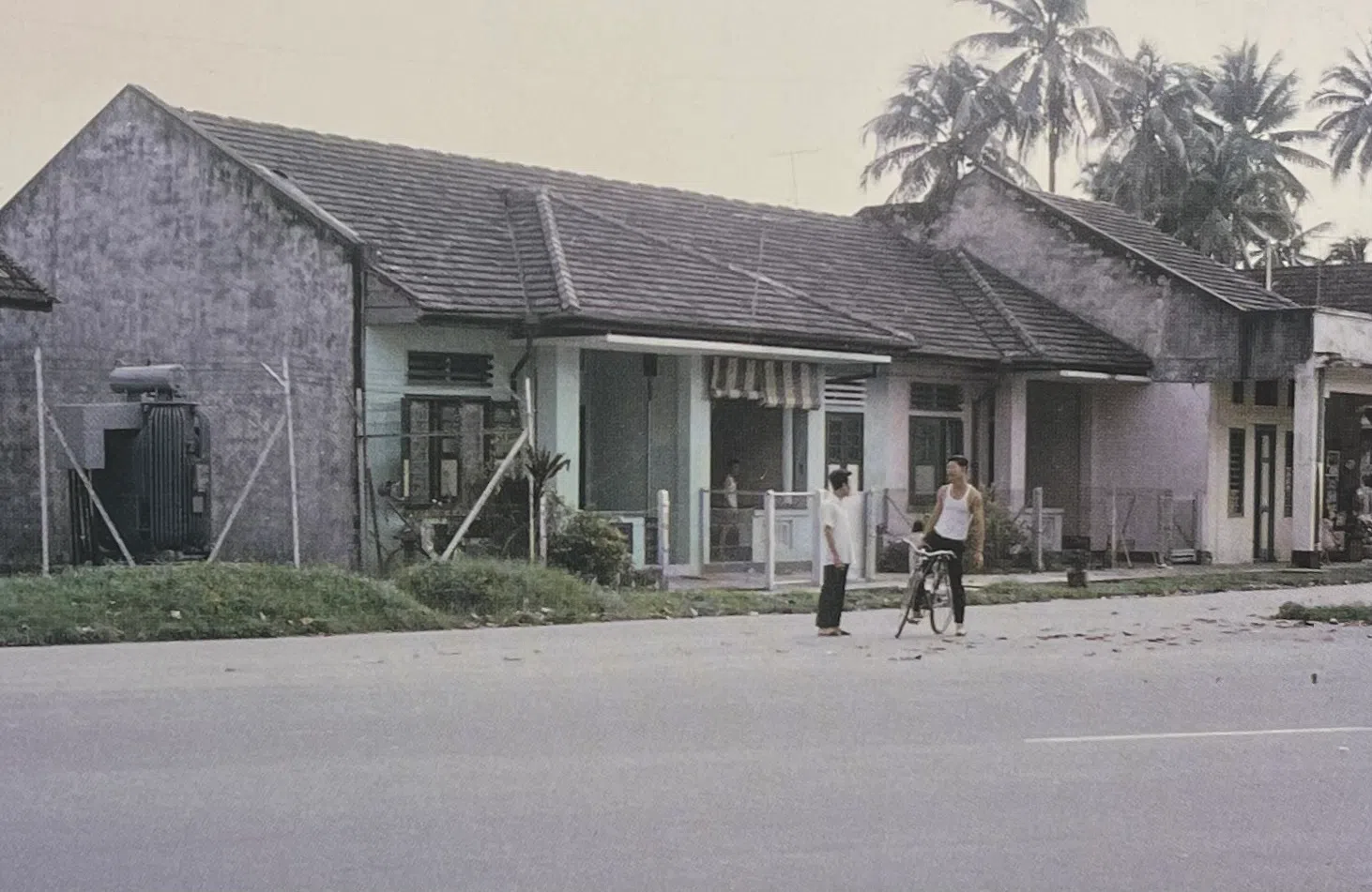
Standing outside this mysterious landed house, 26-year-old Krisada Virabhak recounts his family’s past. He points towards the other end of the back lane: “Our family used to live there. My grandmother told me there was plenty of gossip and many strange tales around here.”
His family’s old house on Pennefather Road once shared a back lane with the temple. His maternal grandmother, Zhang Biniang, grew up here and attended Convent of the Holy Infant Jesus (CHIJ) Katong, as many Nyonyas did.
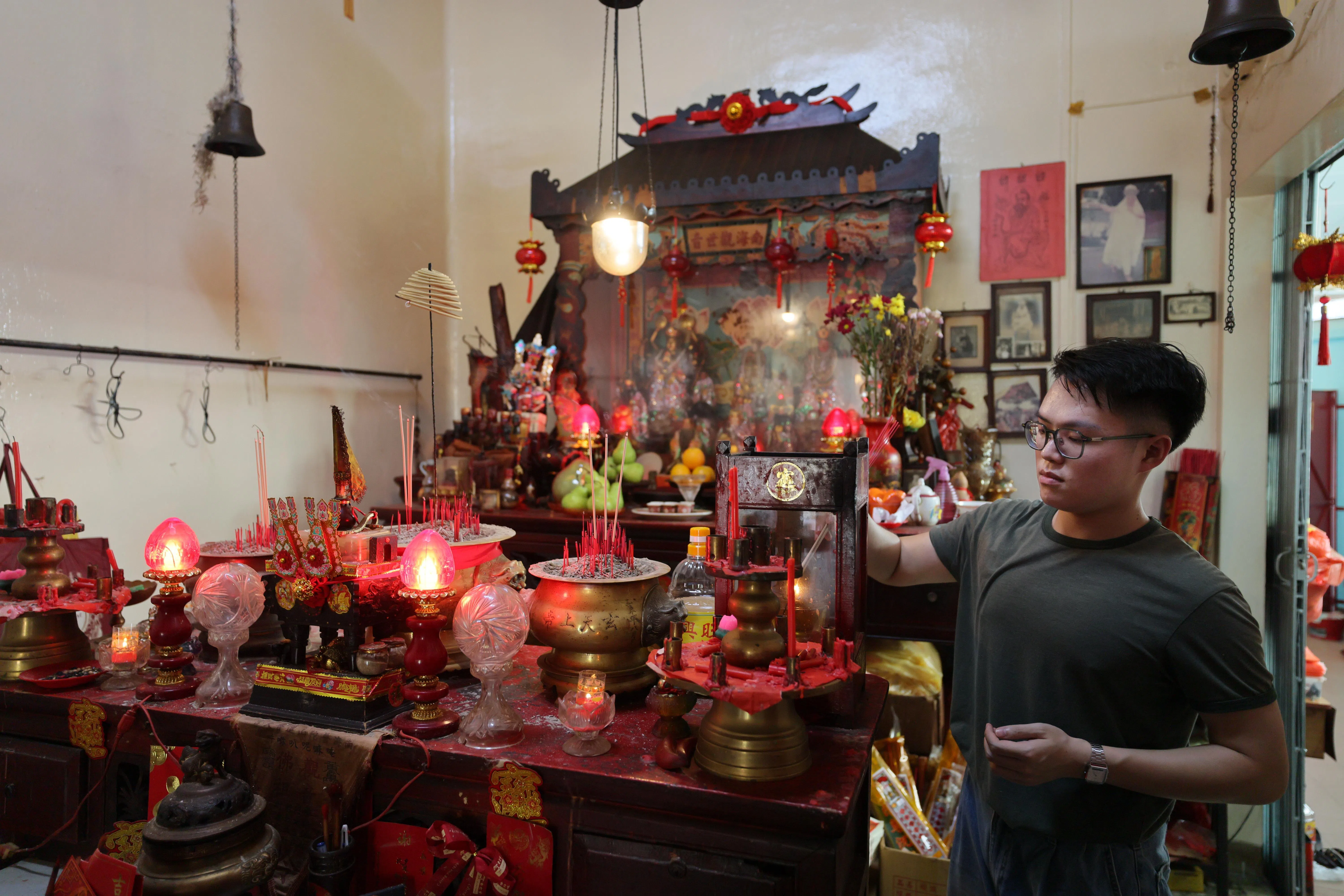
Krisada speaks fluent Mandarin, but grew up in a Peranakan Chinese family with a mix of traditions. His maternal grandmother’s family was more traditional, practising folk religion, Buddhism and Taoism, while his paternal grandmother’s family were Christian Peranakans.
This rich family culture reflects the inclusive approach to faith among Singapore’s Babas and Nyonyas. It also struck a chord with Krisada 10 years ago, when he was just 16.
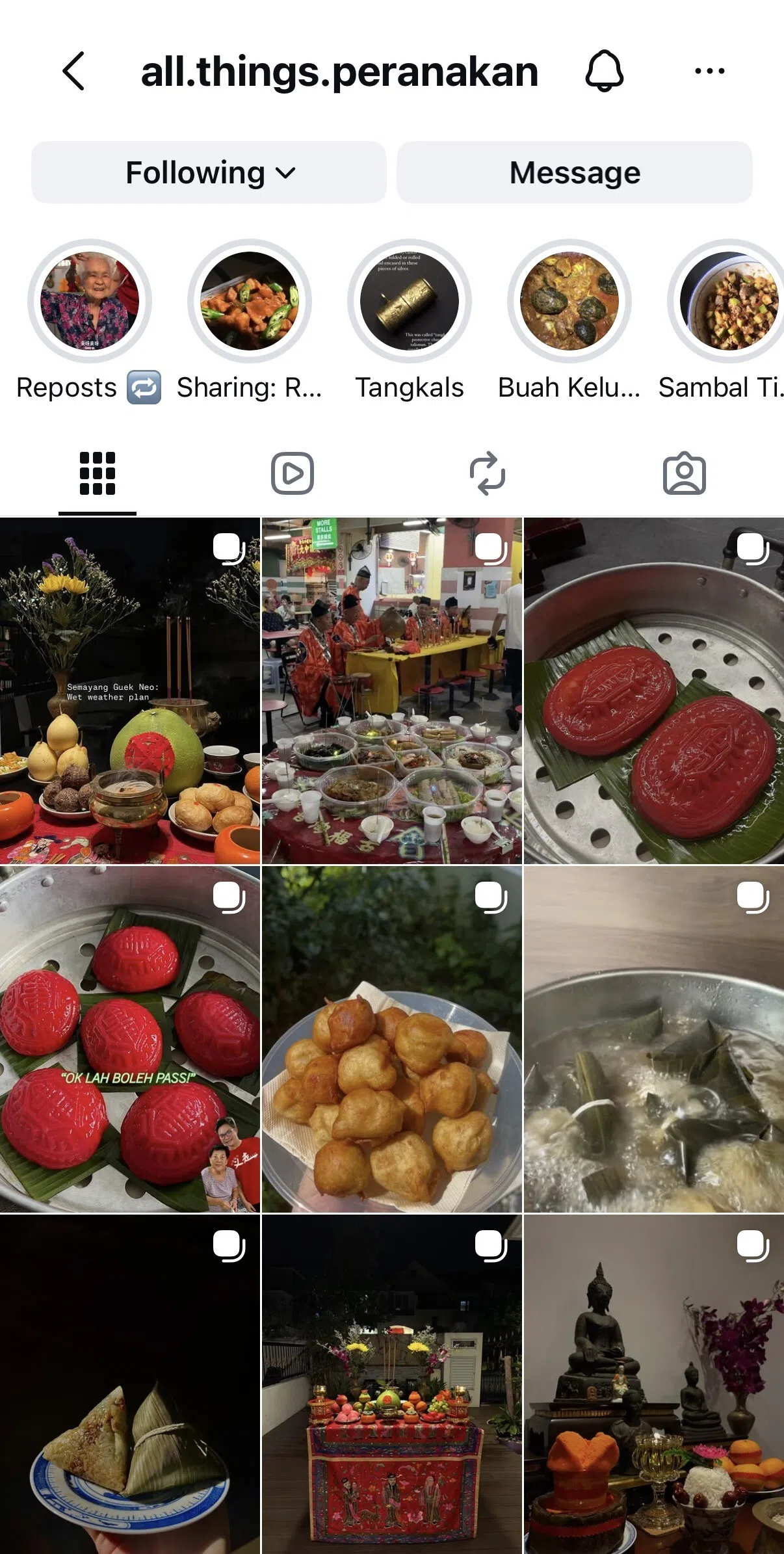
In 2016, Krisada set up an Instagram account, all.things.peranakan, to document Nyonya food, folk customs and stories from his elders. Now a final-year student at Singapore Management University’s business school, he told Lianhe Zaobao (LHZB): “I’m not a spokesperson for Peranakans. I just want to share what we can make at home and preserve the family memories of both my grandmothers.”
A school assignment sparks a search for family history
It all began with a homework assignment ten years ago. Asked by his school to trace his family history, Krisada went home and asked his maternal grandmother: “Where did our ancestors come from?”
She could not answer. Much of Peranakan family history is passed down orally, with few written records and relatively little emphasis on tracing the past. But when asked about festive customs and home cooking, his grandmother knew every detail intimately.
At the same time, Krisada noticed that his Peranakan friends of the same age had largely stopped celebrating traditional festivals and did not know how to prepare classic dishes. He realised that this culture was quietly slipping away, and that the most direct way to preserve it was to start with everyday food and family traditions.
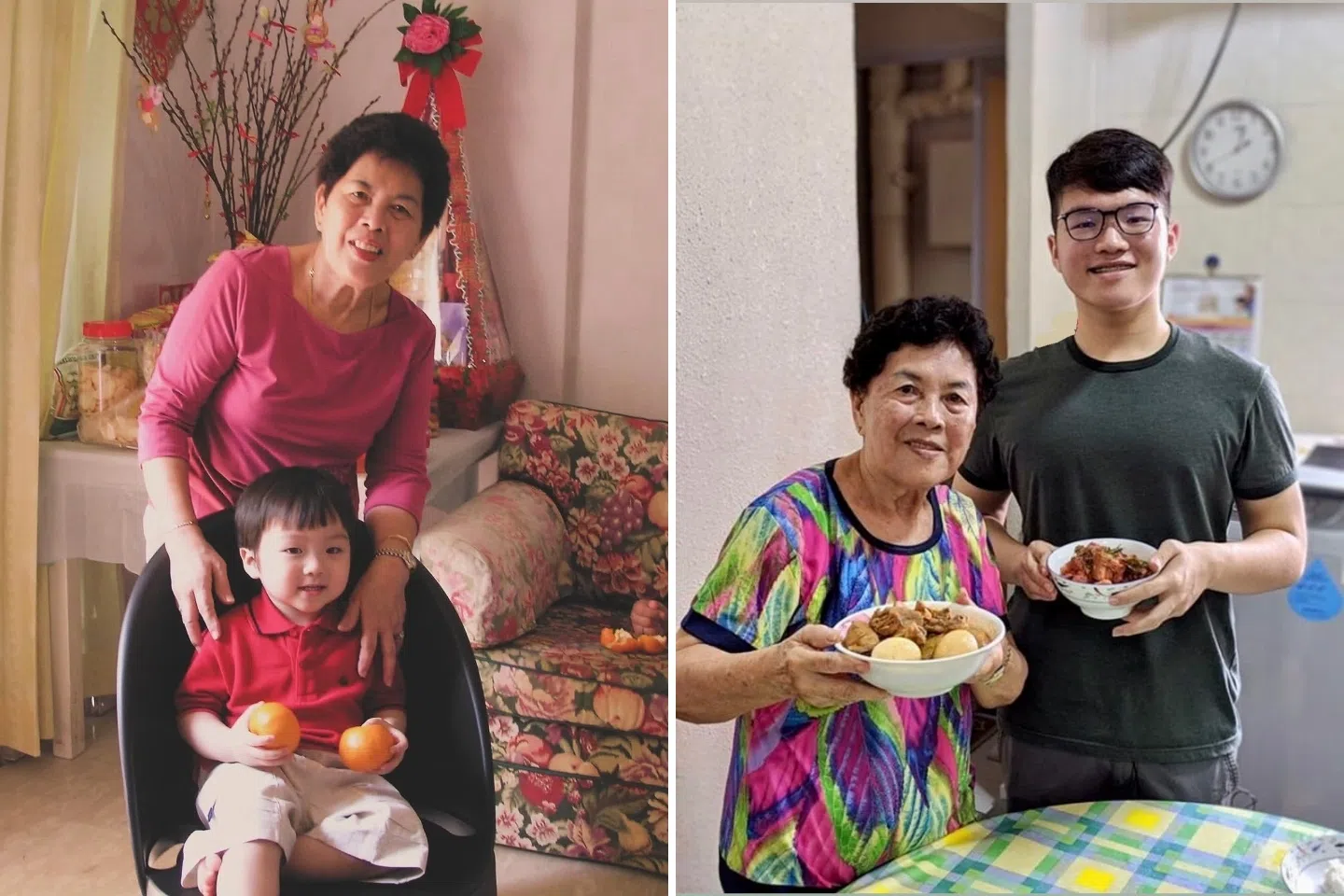
Recreating the flavours of Nyonya cooking is also a way of bringing the taste of the past back to life. Krisada said: “We have an unspoken division of labour at home. My grandmother would recite the old recipes, I would cook and my mother would taste. As she tasted, she would recall the flavours of her childhood and say, ‘It needs a little more sugar’ or ‘It needs a little more salt.’”
Of all the dishes, Krisada says Nyonya rice dumplings are the hardest to make. “Some of the glutinous rice has to be dyed blue with butterfly pea flowers. Besides pork, the filling includes candied winter melon and ground coriander, bringing sweet and savoury flavours together. From soaking the rice and boiling the flowers to wrapping the dumplings, a batch often takes nearly two days.”
He is extra particular about the preparation of ground coriander, insisting on washing, drying, roasting and grinding it himself. Over the past decade, he has made more than a thousand Nyonya rice dumplings and posted videos of the process online.
Several faiths under one roof
For many people, Nyonya culture brings to mind little beyond laksa and the kebaya. In 2024, the kebaya was inscribed on UNESCO’s intangible cultural heritage list. But what Krisada wants to document is the “why” behind these cultural symbols.
The origins of the Peranakan Chinese can largely be traced to 15th-century Malacca, where traders from Fujian and Guangdong who travelled south married local women. Their male descendants were known as Babas and the women as Nyonyas. Chinese customs, Malay ways of life and British colonial education became layered together, and religious beliefs blended too.
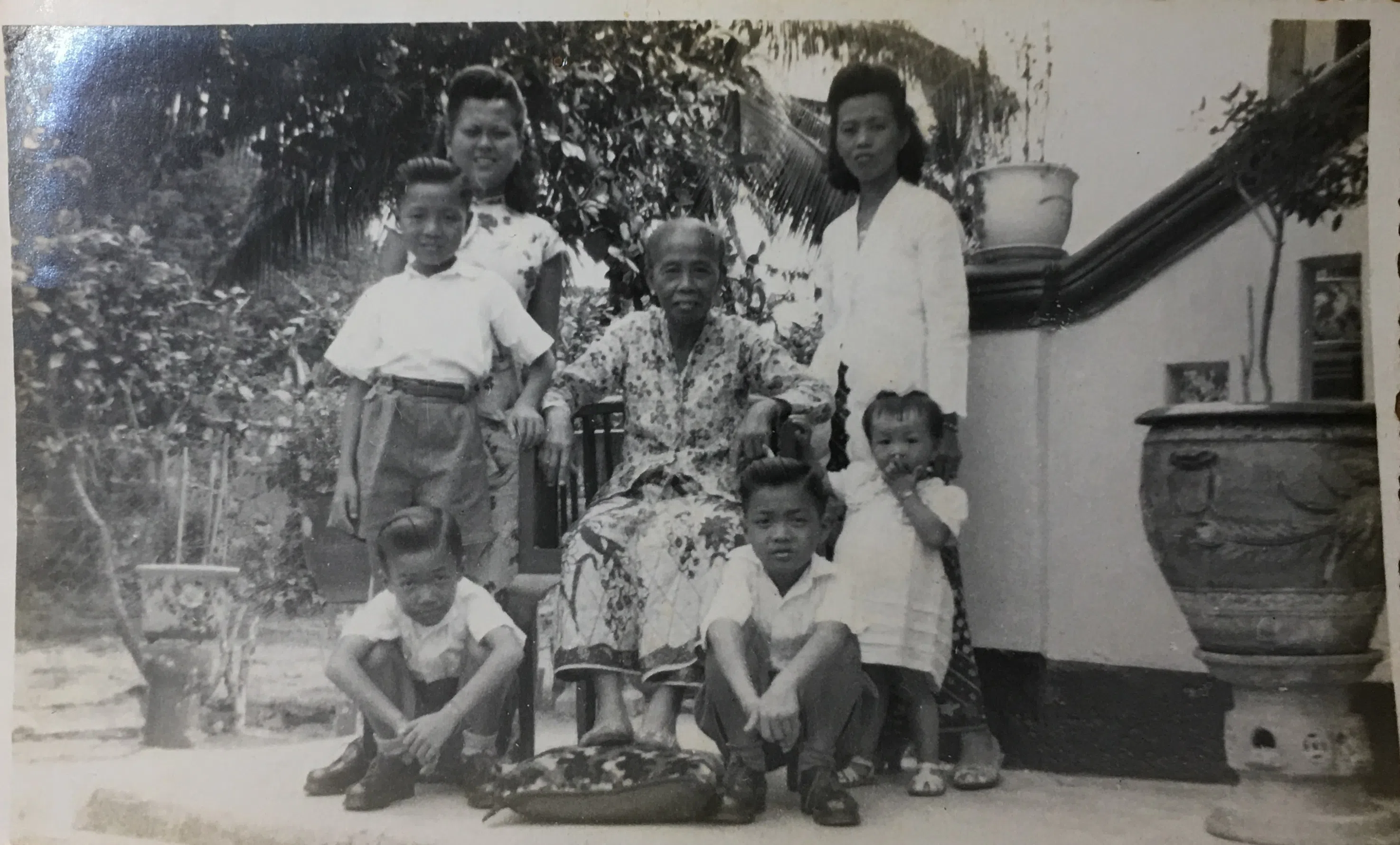
Krisada’s family is a case in point. His maternal grandfather’s grandmother was a spirit medium who worshipped Datuk Nenek at her home on Onan Road in Joo Chiat. Every Thursday evening, neighbours would come seeking help with illness, misfortune or business troubles. She would cut open limes with a silver knife for divination, then have them bathe with limes and fresh flowers to ward off evil and turn their luck around.
This inclusive approach to faith passed down to the next generation. Krisada’s maternal grandfather was a godson of the Monkey God and a devotee of the Indian spiritual teacher Sai Baba of Shirdi, and would also accompany his sworn brothers to the Church of the Holy Family.
Krisada recalled: “My paternal grandmother’s whole family went to church. In those days, many Babas and Nyonyas mixed with the British, attended mission schools and converted to Christianity, but still kept their ancestral shrines at home.”
The only Mandarin speaker in the family
As the only person in his family who speaks Mandarin, Krisada does not feel isolated. Instead, he wants to use the language to better understand his roots.
In recent years, he has often visited Buddhist associations and Hokkien and Teochew temples around Joo Chiat, seeking advice from lay Buddhist women and temple caretakers as he retraces his ancestors’ footsteps. Many jokingly call him a “little elder”.
The more Krisada investigates, the more convinced he becomes: “Culture is always changing. What we pass down is not a rigid set of traditions.”
He cites the worship of the Jade Emperor on the ninth day of the first lunar month. Some insist that sugar cane must be included among the offerings. “But if we stop worshipping the Jade Emperor just because there is no sugar cane, and lose the tradition altogether, wouldn’t that be worse?”
In his view, understanding the meaning of the offerings matters more than assembling every item. After becoming vegetarian a few years ago, Krisada began adapting his grandmother’s meat dishes into vegetarian ones.
“There is actually a precedent for this. In the past, many Nyonyas ate vegetarian food on the first and 15th days of the lunar month. Traditions that I can accept and put into practice stand a better chance of continuing in our generation.”
Over the past decade, there have been times when he wanted to give up. “Sometimes I don’t feel like running the account any more, but I know people are waiting for my posts, so I keep going.”
His comments section draws not just local followers but also people from Malaysia, Indonesia and Thailand, who share how similar dishes are made where they live. These exchanges have allowed Krisada to witness a living network of Peranakans.
Krisada’s maternal grandmother died in 2022. He retells her stories to his mother, who fills in the parts she remembers, keeping those memories circulating within the family. He is now considering turning what he has gathered over the years into a book, or sharing it with the public through the more popular format of short videos.
