

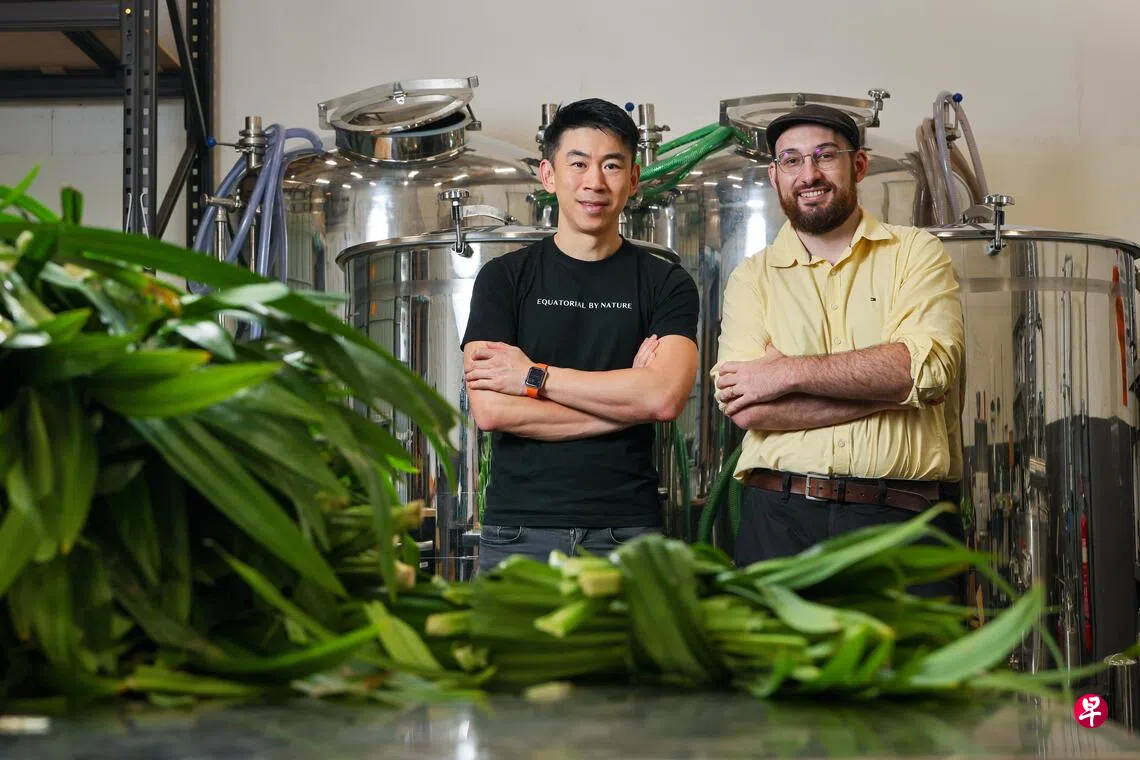
Pandan leaves are familiar to us as an ingredient in cooking and traditional cakes, but local craft distilleries have also been using them to make spirits in recent years.
At midday, a rich, fresh fragrance fills Distillius, a Singapore craft distillery in the Pandan Loop area. Piles of fresh, locally grown pandan leaves, harvested and bought from a wet market, cover the tables. Workers trim off the crown, keeping the leaves, then bundle them into a still for eight hours of distillation to produce a spirit with an alcohol content of 80%.
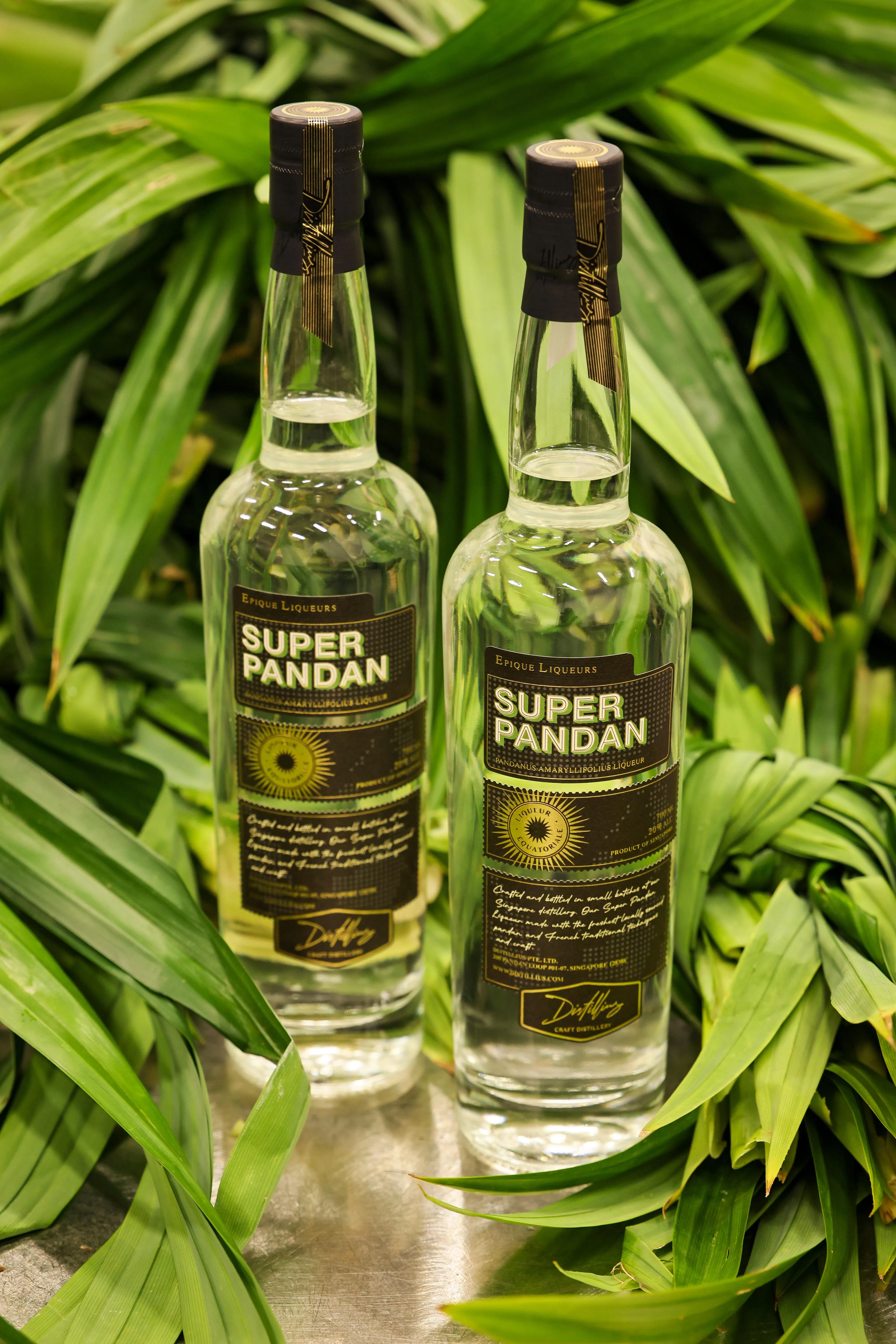
The spirit is diluted with water to 20% alcohol by volume (ABV), and cane sugar is added to bring its sugar content to 150g per litre. It is then left to rest in the distillation vessel for a day or two before being bottled, labelled and sold on the distillery’s website. About 30kg of pandan leaves yields 500 bottles of 700ml each, made in small batches using traditional French techniques.
Distillius’s head distiller Philibert Gandy, 34, came from the French Alps and moved to Singapore after the COVID-19 pandemic to make spirits. Speaking excitedly about using pandan leaves, he tells Lianhe Zaobao (LHZB): “It’s a very exotic flavour. It’s amazing flavour that I fell in love with. And I don’t have any baggage for it.”
While working at Tanglin Gin distillery, Gandy met PS Cafe founder Peter Teo and Edward Lee, with whom he later co-founded Distillius. Pandan leaves are one of the botanicals used in gin. Although Gandy liked their flavour, he felt it clashed with other ingredients, including juniper, gin’s principal botanical. He eventually decided to separate the two and let pandan take centre stage.
The recently launched “Super Pandan” (S$68) won Best in Show Liqueur, Best of Class Botanical/Herbal Liqueur and Double Gold at the 2026 Asia World Spirits Competition (AWSC). The competition is judged by The Tasting Alliance, the globally renowned spirits awards organisation behind the San Francisco World Spirits Competition (SFWSC) and the New York World Spirits Competition (NYWSC).
Lighter drinks for the tropics
Served chilled over ice, mixed with soda water or used in cocktails, Super Pandan is a refreshing drink for hot weather. Fresh pandan leaves lend a soft, rounded verdant aroma with delicate floral notes and hints of vanilla, toasted rice and coconut. Developing drinks suited to the tropics using Southeast Asian or Asian ingredients is central to Distillius’s philosophy. Business Director Edward Lee, 48, says spirits on the market tend to have heavier flavours, reflecting their origins in cold climates. Distillius wants to make lighter, thirst-quenching drinks suited to tropical weather.
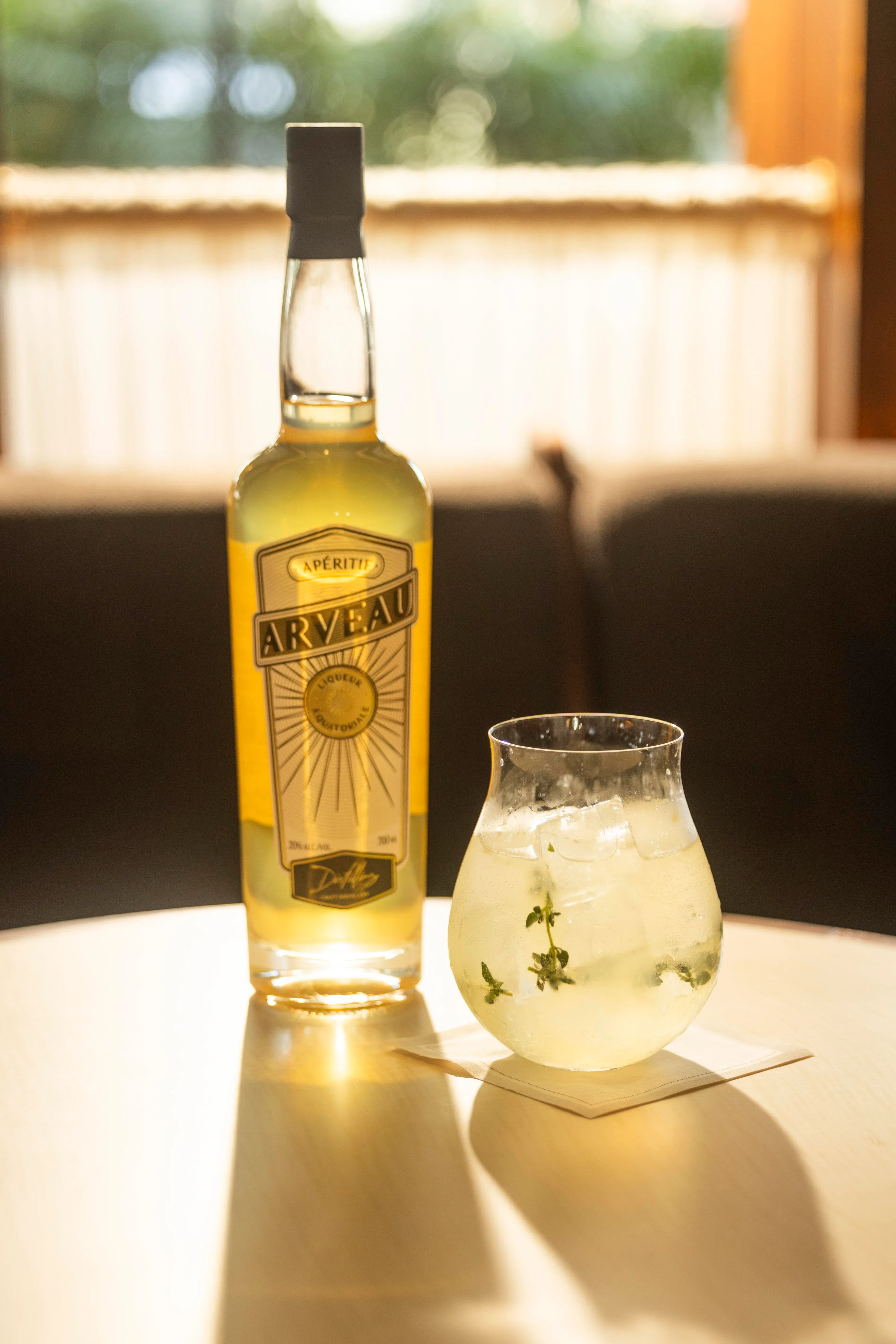
The citrus-led Arveau, Singapore’s first equatorial aperitif, also won gold at the AWSC. With an alcohol content of 20%, it uses Southeast Asian ingredients such as calamansi, torch ginger flower, ginseng and galangal for a refreshing flavour with a subtle spicy edge.
Old Tom Gin No. 1, a collaboration between the distillery and MO Bar, won Double Gold and Best of Class for Old Tom Gin. Less than two years after its founding, Distillius, which produces 40,000 to 50,000 bottles a year, has collected six AWSC awards. Gandy will fly to San Francisco in November for the awards ceremony. The wins have drawn interest from France, the US and Australia, and the distillery expects annual production to reach 60,000 to 80,000 bottles in 2027.
Gandy says developing and making these locally inspired spirits is challenging because Singapore lacks a history of distilling and there are no recipes to follow. Arveau is neither a French nor an Italian spirit, but a beautiful and distinctive drink born of Singapore’s multicultural mix. Using local ingredients means freshness is paramount. Pandan leaves that have been refrigerated, for instance, lose moisture and cannot be used; only leaves harvested that day will do. With 300 torch ginger flowers needed, finding suppliers is also crucial. Every finished product aims for balance on the palate and a sense of local flavour.
He says: “One of my mentor said the distillation is like a magnifying glass. If you use poor ingredients, you will enhance the flavour of poor ingredients. So great ingredients ensure the quality of the spirits.”
While local distilleries generally focus on gin, Distillius is developing other categories, including aperitifs and syrups. Its Rosella & Torch Flower Syrup and Black Lime Syrup use locally sourced ingredients to make refreshing drinks. Gandy says making syrups is three times as much of a headache as making regular distilled spirits. The team is exploring the potential of durian, mangosteen, jackfruit, white pepper and even black cashews in spirits.
One advantage Distillius has is that, alongside making spirits, it can gather customer feedback through Chip Bee Bistro, a restaurant and bar established in 2025 (44 Jalan Merah Saga, #01-48, Singapore 278116).
Brass Lion Distillery named International Gin Producer of the Year 2025
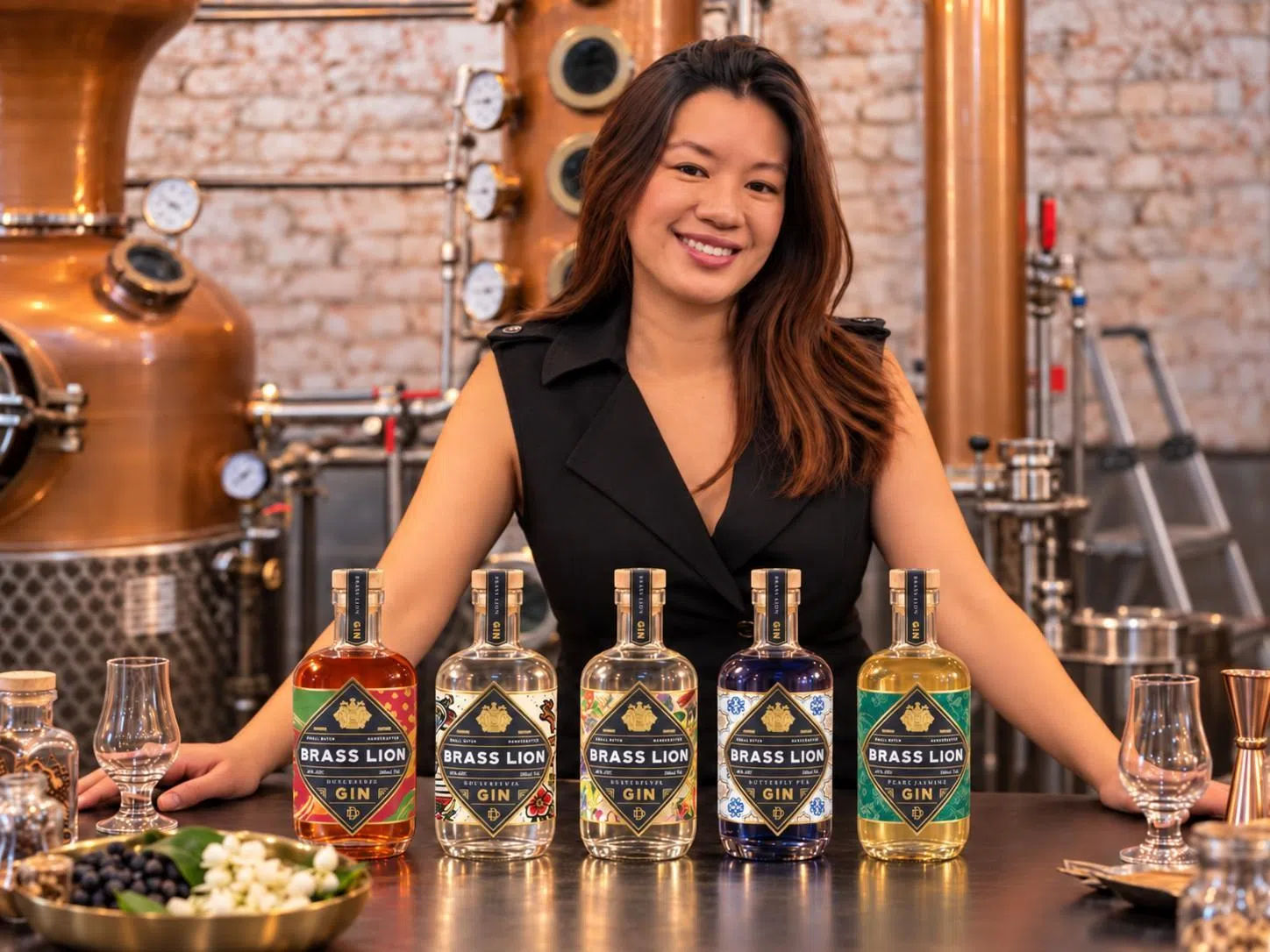
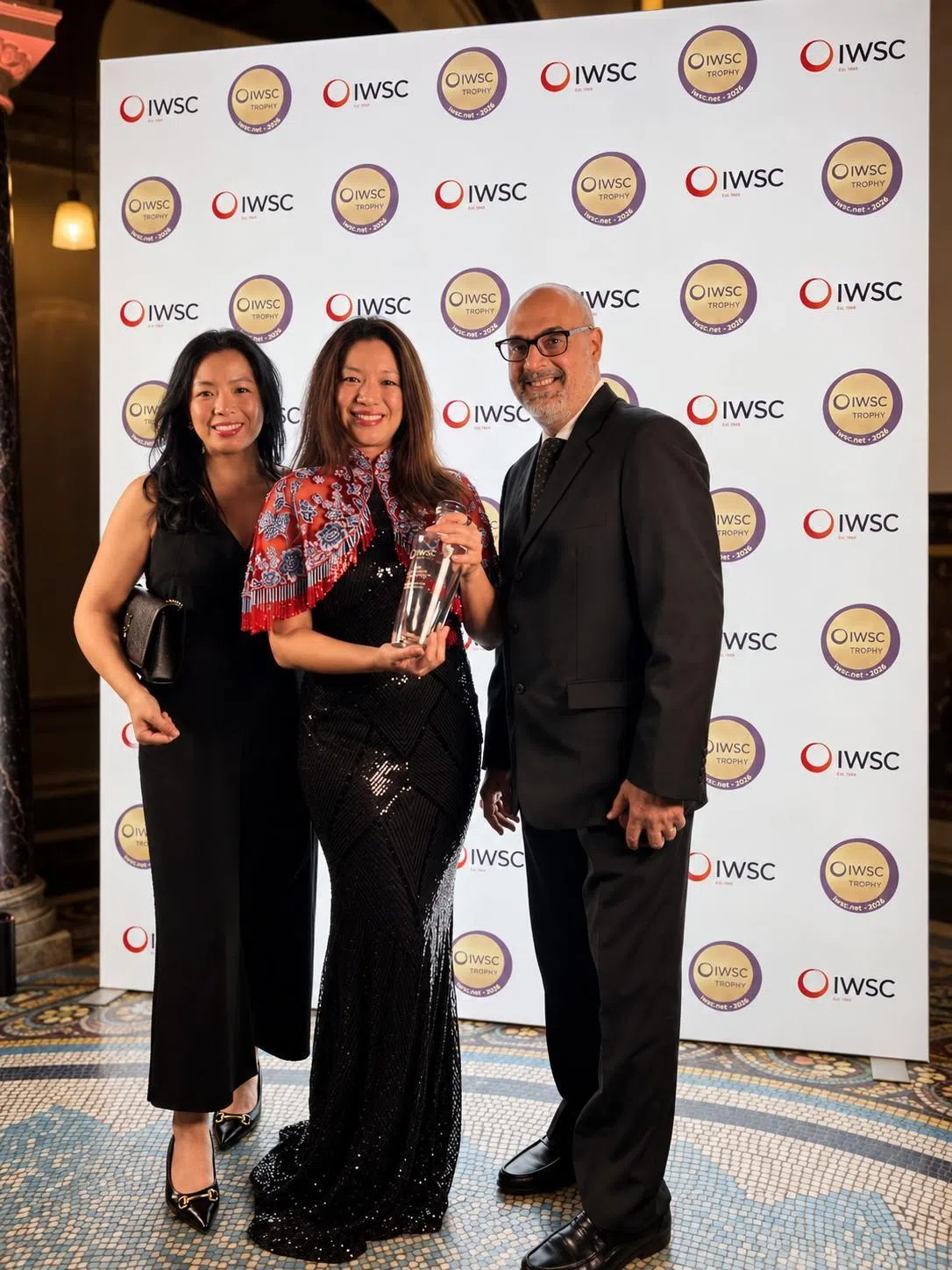
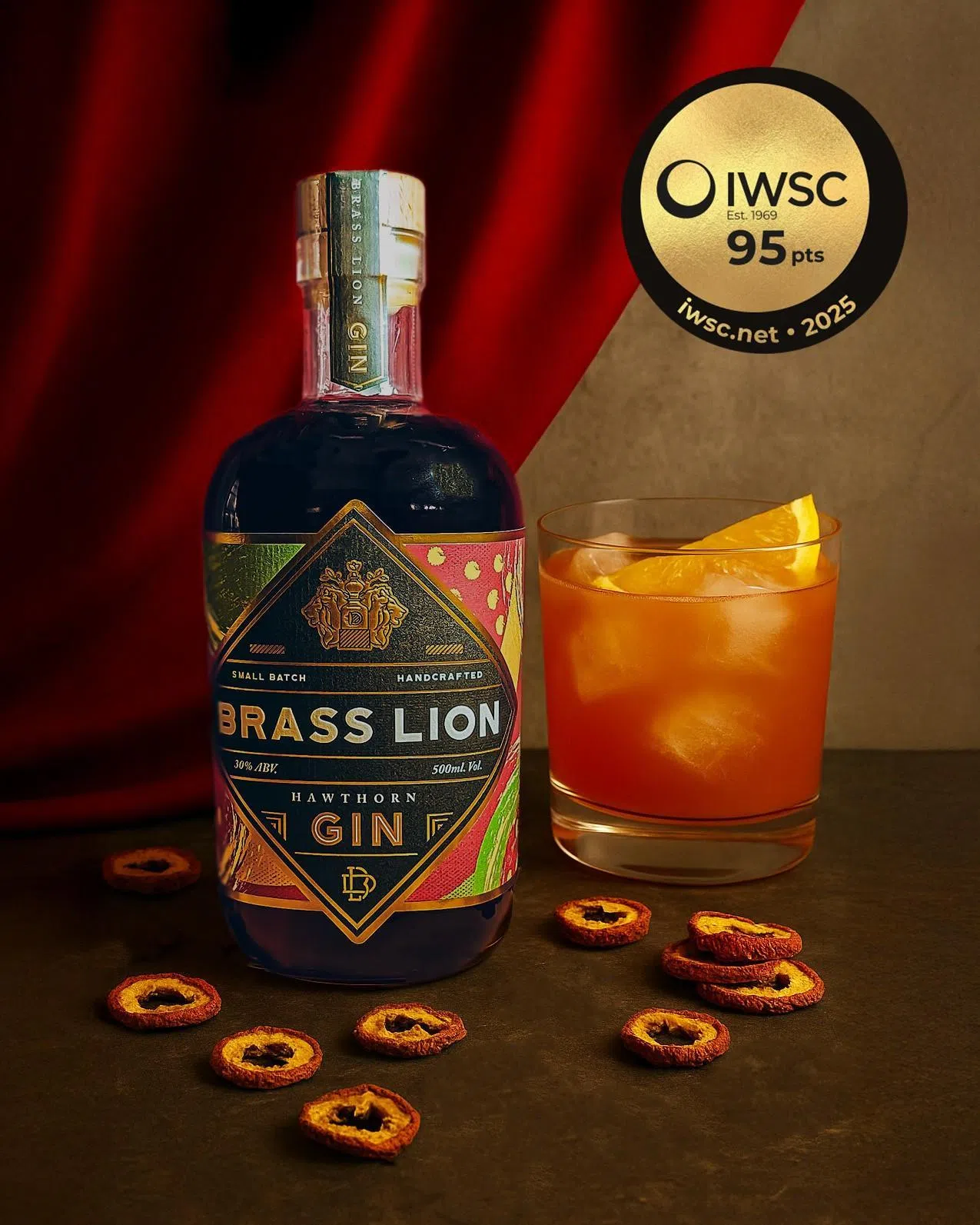
Brass Lion Distillery founder Jamie Koh, 41, and her team returned from London in November 2025 with the International Wine and Spirit Competition (IWSC) title of International Gin Producer of the Year 2025. The distillery’s Pearl Jasmine Gin won the 2025 award for best flavoured gin with 99 points, the highest score across all competition categories. Its Hawthorn Gin also won gold.
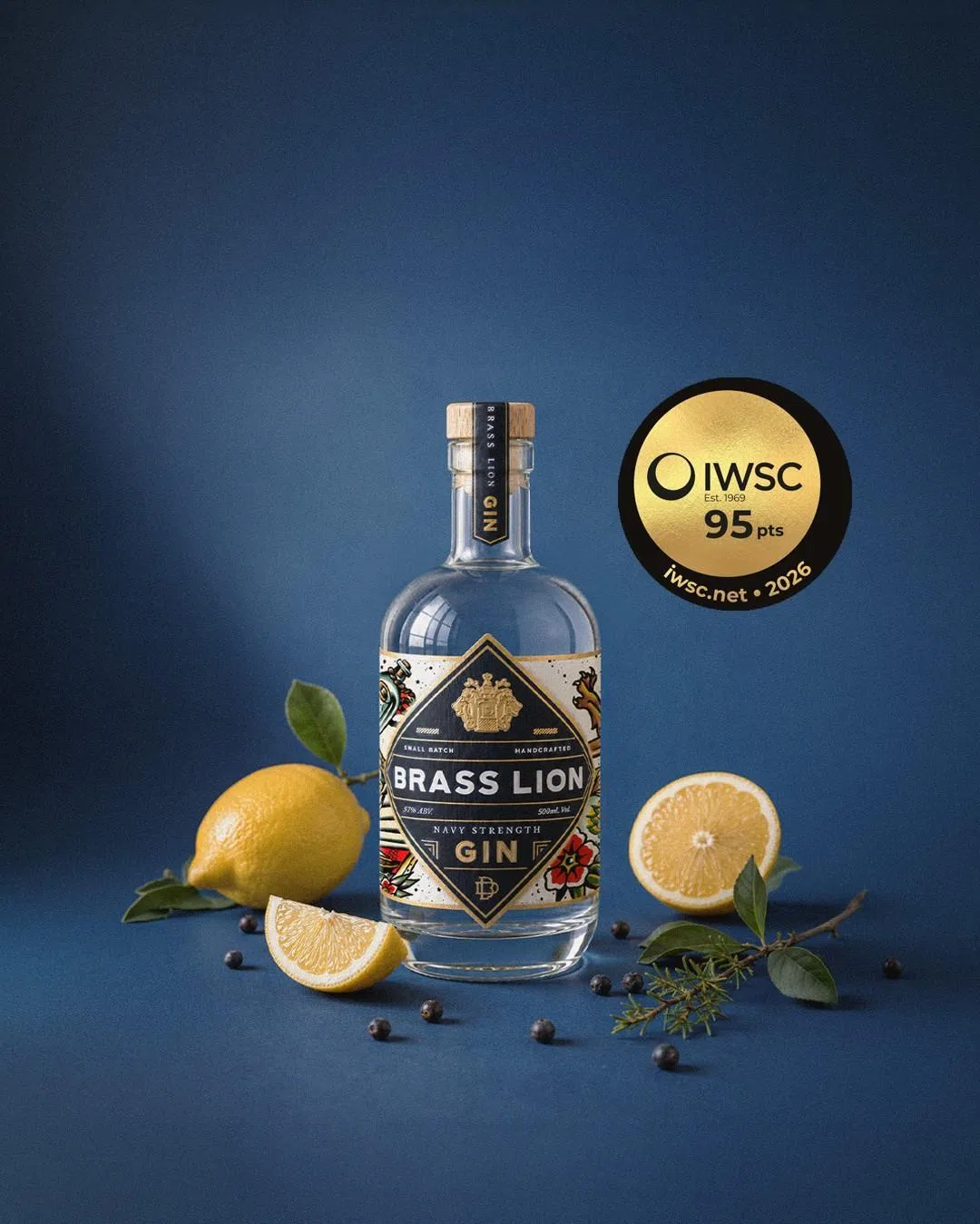
The distillery’s newly developed Navy Strength Gin (S$118) won gold at the 2026 IWSC. Koh says the spirit, with an alcohol content of 57%, uses more than 23 botanicals, including lemon, juniper and orange peel. Its most unique ingredient is tongkat ali, whose root is commonly used in traditional medicine, putting a herb believed to have aphrodisiac properties to a different use. The aim is a balanced palate, without allowing tongkat ali to overwhelm the other flavours.
Tanglin Black Powder Gin, a navy-strength gin developed by another local distillery, Tanglin Gin, also won Double Gold and three Platinum awards at the San Francisco World Spirits Competition between 2020 and 2025.
Everyday ingredients resonate with Singaporeans
Within the Western category of gin, Brass Lion Distillery makes versions with a distinctly Singaporean flavour. Koh is often asked why she does not make sloe gin, a popular Christmas drink in Europe. She feels there is no need to copy it when sloes are not a local fruit. Thinking instead of the hawthorn flakes she ate as a child, she created an Asian take on sloe gin.
Koh says the airing of television drama The Little Nyonya boosted sales of Butterfly Pea Gin, which the distillery supplies to Peranakan restaurants. Its spice-forward Pahit Pink Gin revives a drink popular in colonial British Malaya. Used by British sailors as a remedy to prevent and treat seasickness, the drink appeared in the fiction of British writer W. Somerset Maugham. The distillery combines its Singapore Dry Gin with “Singapore bitters”, a blend of traditional Chinese medicinal ingredients such as goji berries and red dates, with flavours from eight botanicals, including cloves and cinnamon.
Using familiar everyday ingredients in spirits makes them more relatable to Singaporeans. The distillery has built a database of hundreds of botanicals and is preparing to launch two products: Barrel Aged Gin, aged for two to three years in Singapore whisky casks, and the aperitif Rangu. The latter highlights dried tangerine peel and lemongrass, with a bittersweet taste and an alcohol content of 15%. Mixed with a little calamansi and soda water, it is well suited to the local climate.
The industry is all very western, Brass Lion Distillery tells our stories through our spirits. More Singaporeans adopt it but there are still a lot of Singaporeans who did not know that we made our own spirits. — Jamie Koh
Koh spent six demanding years learning her craft across three continents before setting up the distillery. She says: “The industry is all very western, Brass Lion Distillery tells our stories through our spirits. More Singaporeans adopt it but there are still a lot of Singaporeans who did not know that we made our own spirits.”
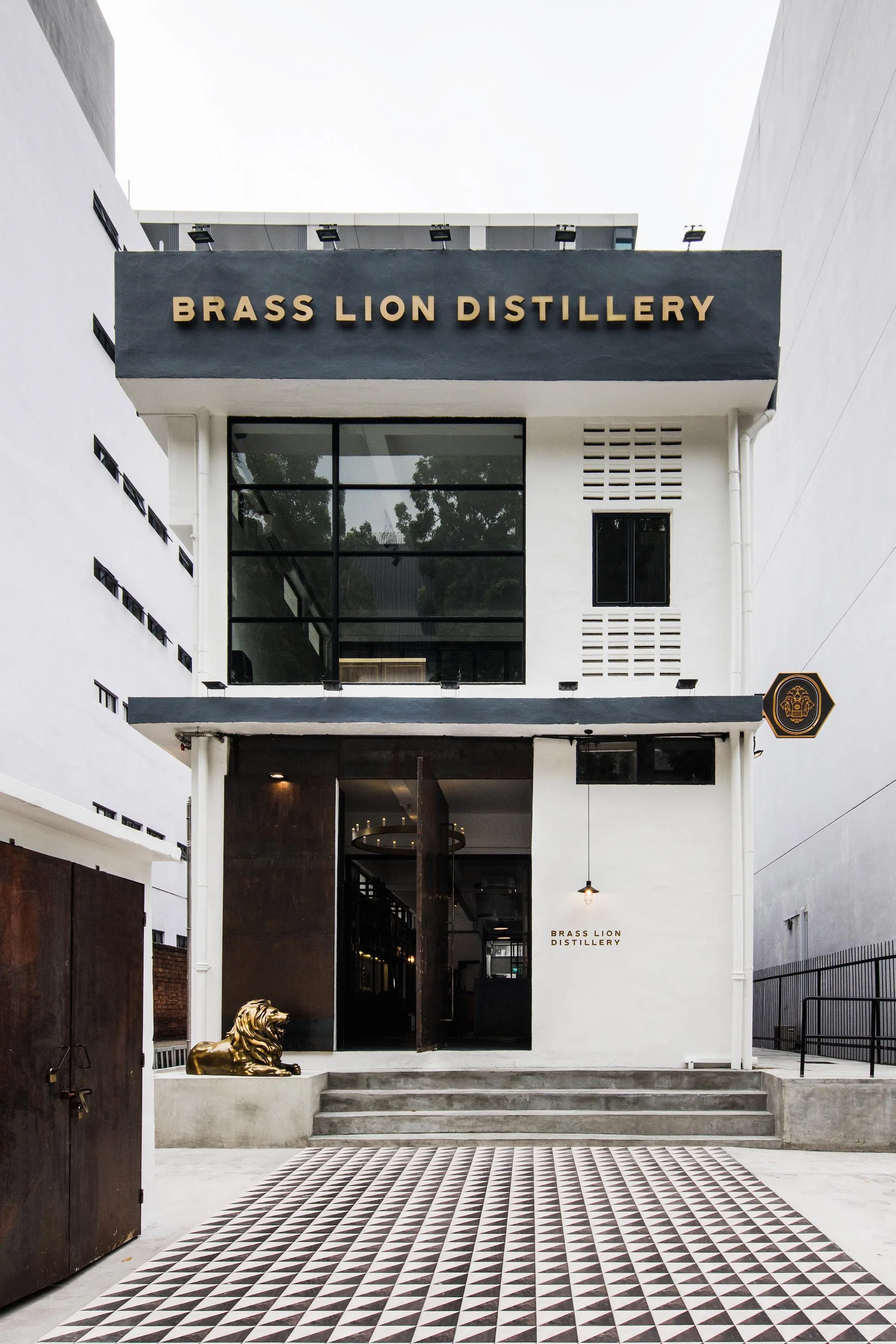
To be authentic and more personal, these stories of Singapore spirits need to draw on local history and culture. The distillery, which opened to the public in 2018, offers tours, tastings and gin-making workshops to raise awareness of locally made spirits.
Jasmine rice whisky enters Japan and China
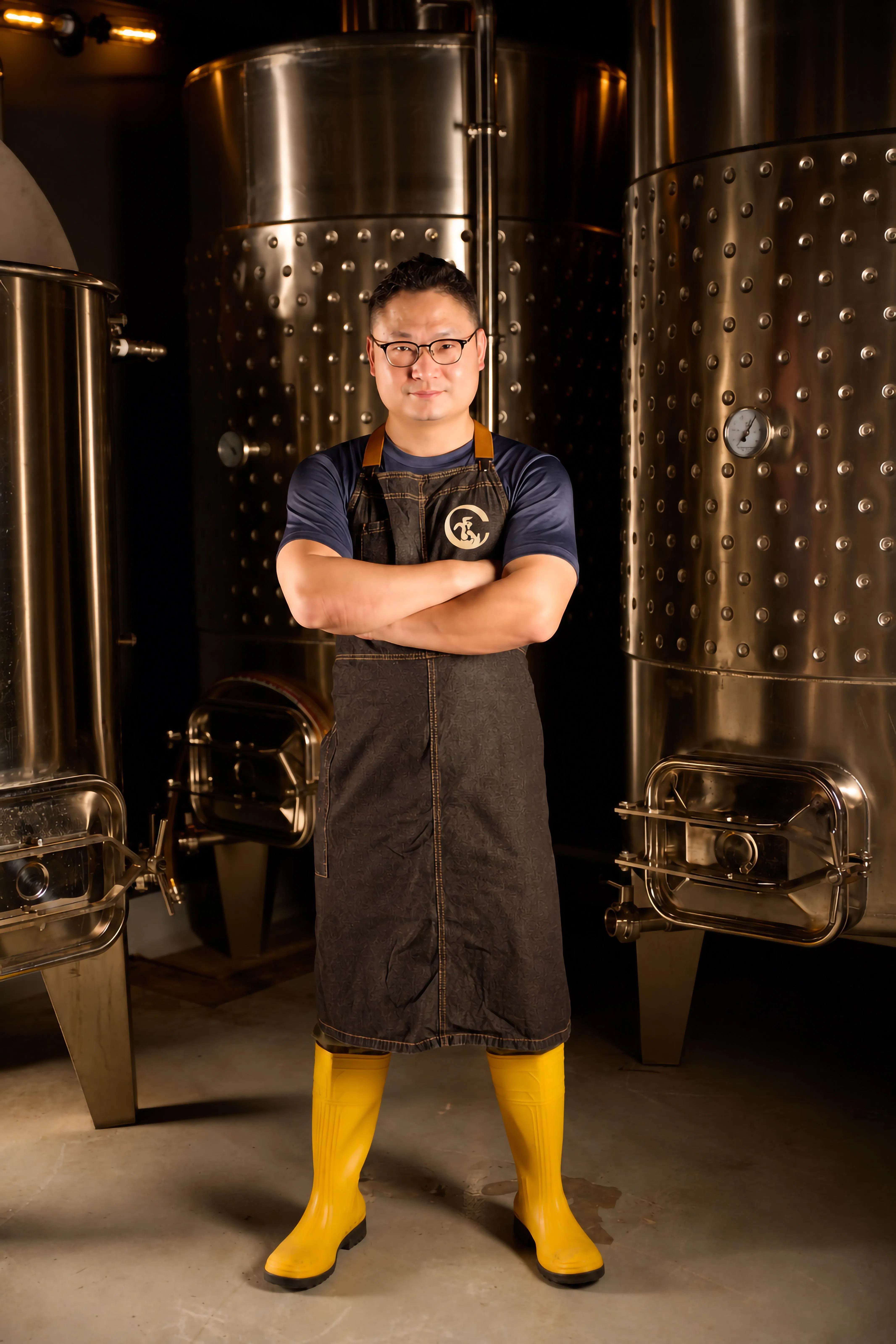
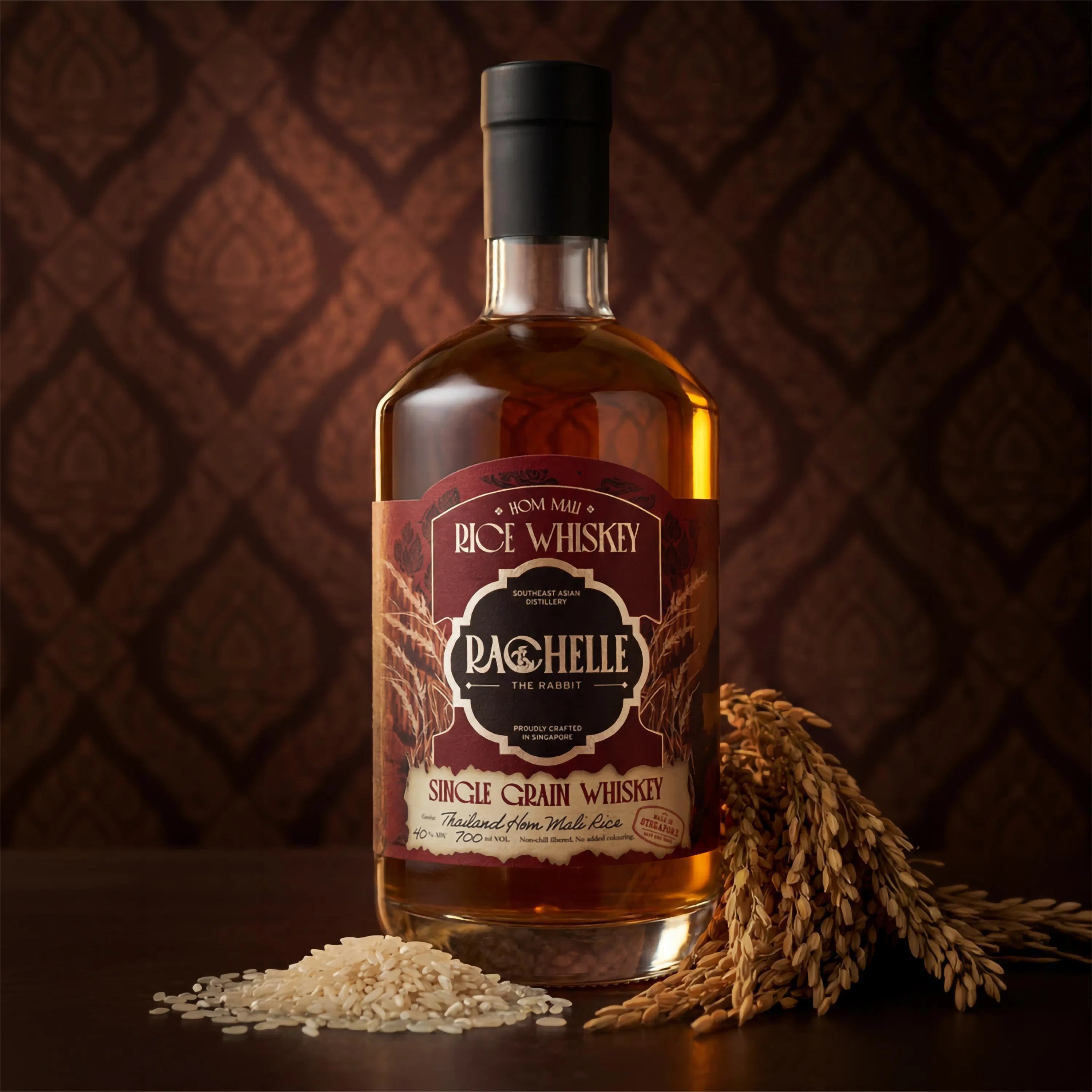
The Thai jasmine rice we eat has been turned into whisky by Rachelle The Rabbit Distillery, or RTR. Its Hom Mali Rice Whiskey (S$128) won gold at The Asian Spirits Masters and The World Whisky Masters in 2025. Its Cask Strength version, with an alcohol content of 68%, won gold at the Tokyo Whisky & Spirits Competition.
RTR was established in 2015. Its founder and head distiller Simon Zhao, 41, says awards help build the distillery’s confidence, raise brand awareness and boost sales, making it easier to enter overseas markets.
The distillery established sales outlets in Japan and China three years ago, where its products sell for half their local price. It has produced more than 90 tonnes of spirits since the start of 2026, and half its products now go overseas. Hom Mali Rice Whiskey is particularly popular, with a container of more than 10,000 bottles exported every few months. Its Kopi-O Liqueur is selling well in convenience stores in China and Japan.
Unlike traditional whiskies made from barley, corn or rye, the success of the jasmine rice whisky has set the distillery’s direction. Zhao says: “While commercial whiskies are typically produced in cold-climate countries, we began experimenting with whisky distillation and discovered that the spirit matures much faster here. In Scotland, the ‘angel’s share’ — the portion lost to evaporation — is about 2% annually; in Singapore, that figure reaches 8% to 10%. By using Southeast Asian jasmine rice, we have created a whisky with a unique flavor profile to showcase to the world.”
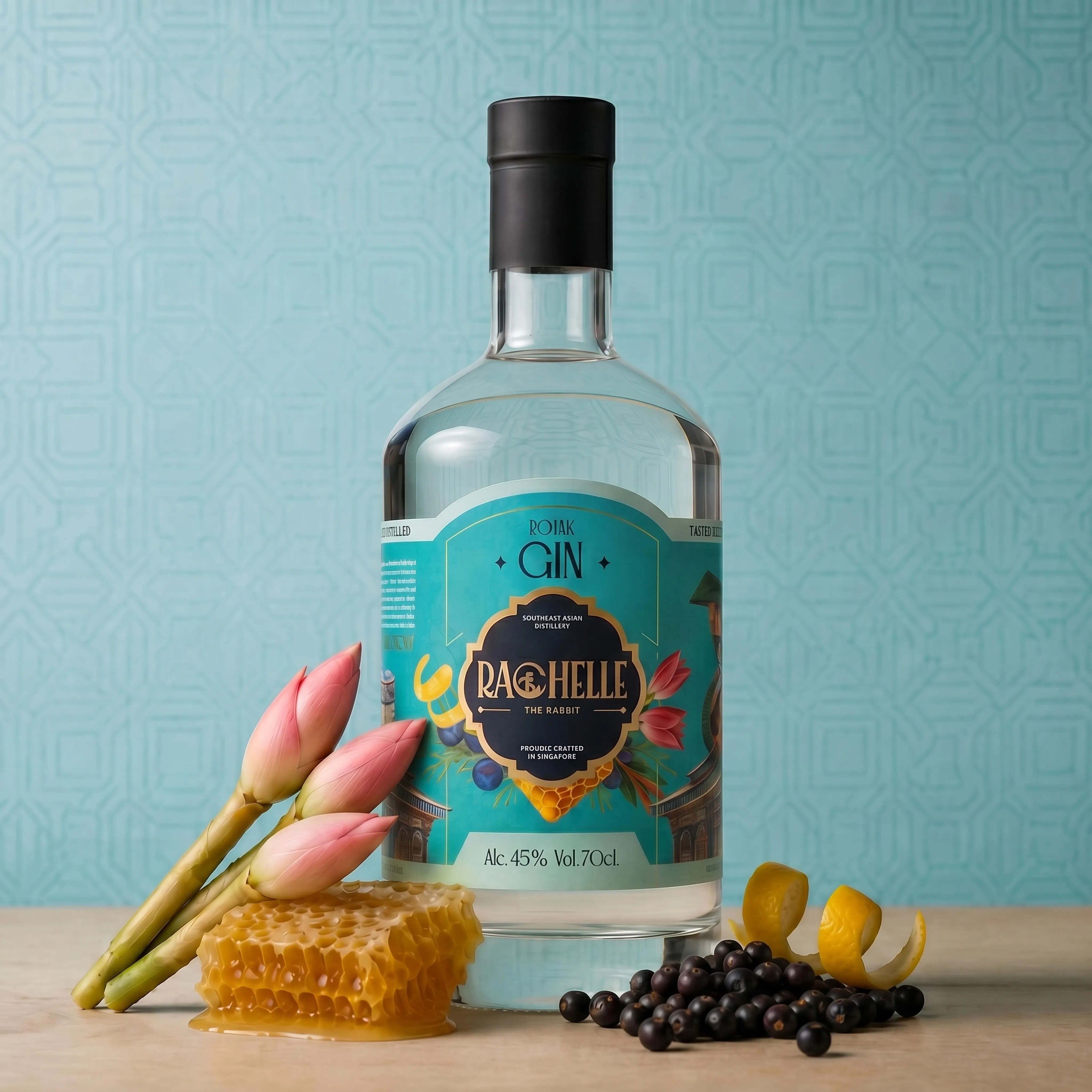
Rojak Gin, which won silver at The Global Asian Masters in 2026, uses Southeast Asian botanicals such as torch ginger to turn a familiar local dish into a spirit. It has an alcohol content of 45%.
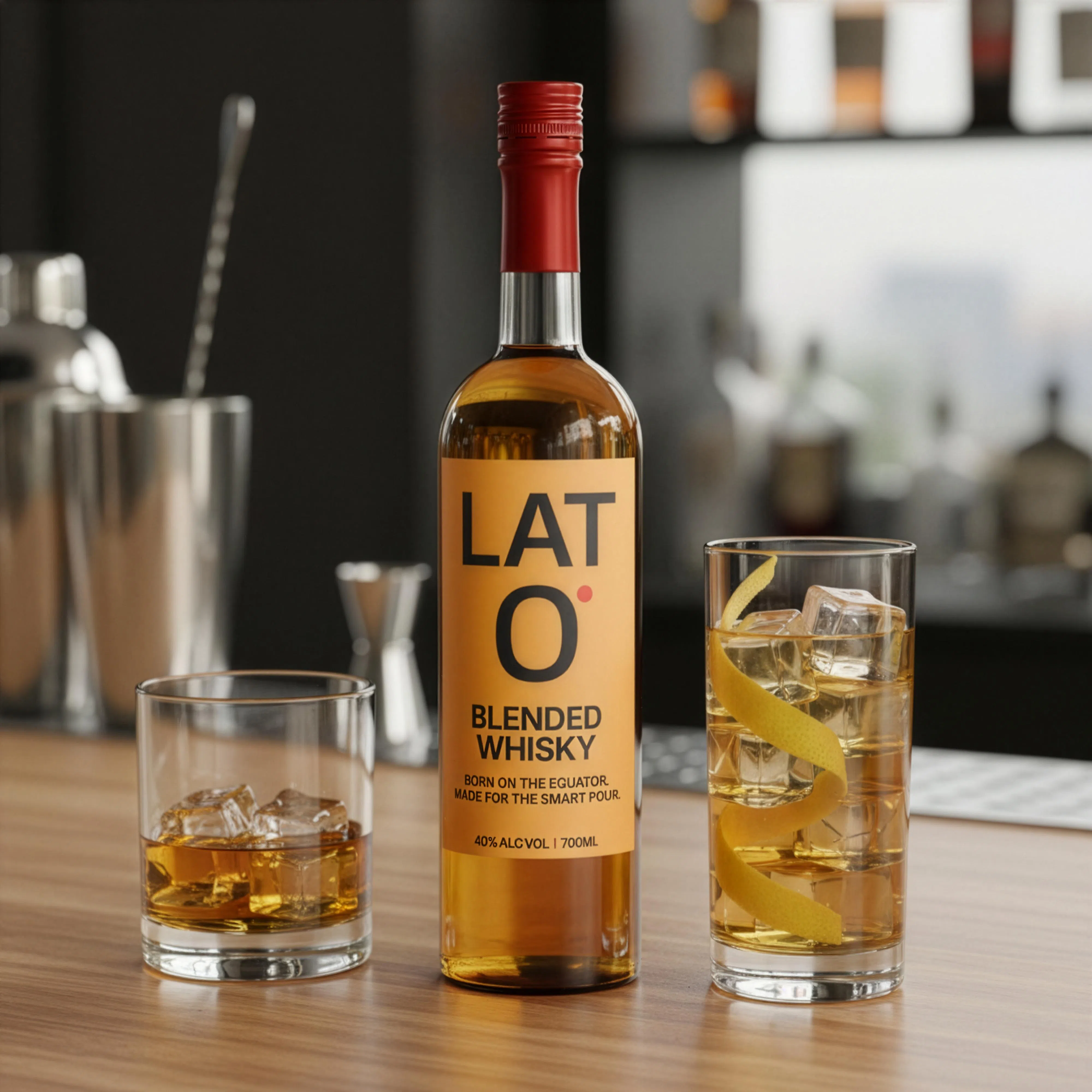
However, Zhao says foreigners and industry professionals may not know how to use such experimental spirits. The distillery therefore developed a new range, LAT 0°, designed for easy use by bars, hotels and restaurants to help it enter international markets. Inspired by Singapore’s “little red dot” identity and the concept of being “born on the equator”, the range uses local botanicals in gin, vodka, rum and blended whisky without making their flavour profiles too unconventional. The LAT 0° blended whisky, with an alcohol content of 40%, won silver at the 2026 World Whisky Masters.
Zhao, who acquired Arima Nishiki brewery in Japan, is working with a Japanese consultant to develop a Singaporean single malt whisky. He believes Singapore’s water quality is softer than Japanese mountain water and, together with the equatorial climate, will give the whisky distinctive characteristics.
Catering to younger drinkers’ taste for lower alcohol content
The distillery’s new products include Tangerine Peel Liqueur, Chrysanthemum Mead and canned Singapore Sling. To cater to younger drinkers’ preference for lower-alcohol drinks, Zhao has also launched bottled Coconut Soju in supermarkets. Bandung Coju, a rose-syrup-and-milk soju, and Ondeh Ondeh Coju, inspired by the palm-sugar-filled coconut-coated dessert, have found favour locally but are harder to take overseas. He is experimenting with tropical fruit flavours such as mango and lychee in soju.
As an emerging spirits-producing region, Singapore faces considerable challenges, with everything having to be built from scratch, from navigating Singapore Customs regulations to developing food and beverage distribution channels, business partnerships and a customer base. Zhao says: “We hope our achievements can contribute to greater international awareness of Singapore as a place capable of producing quality spirits, rather than being known primarily as a market for imported brands.”
