

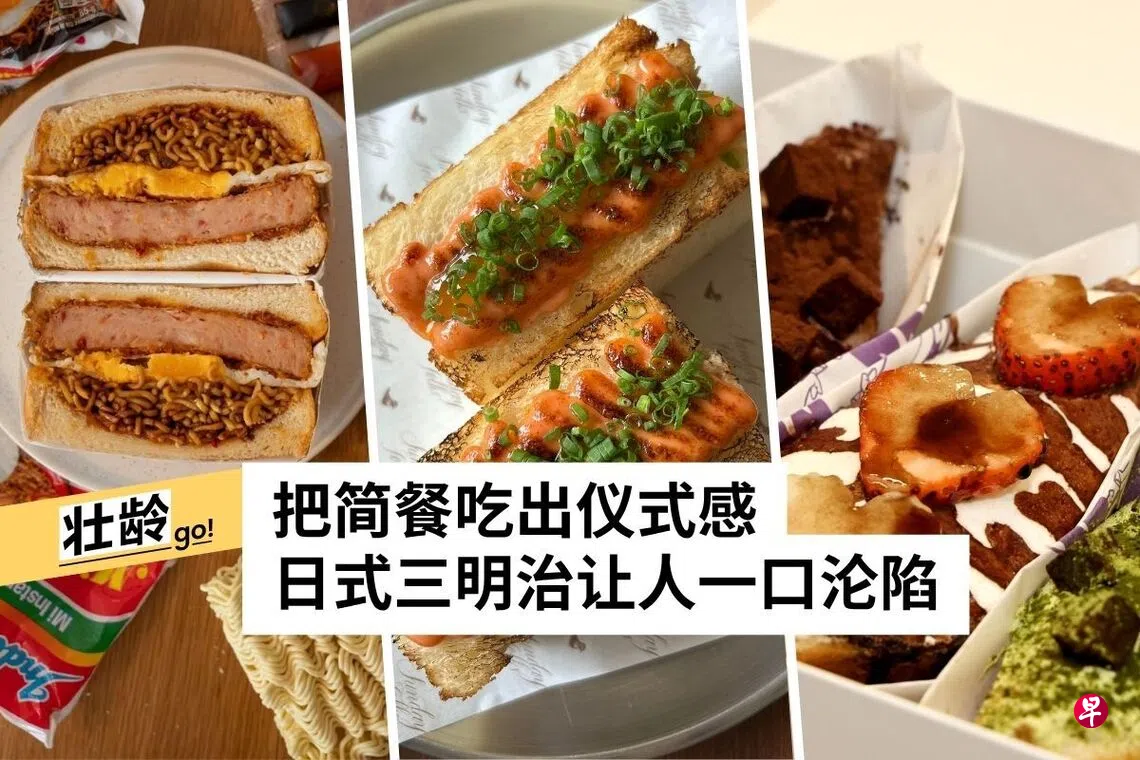
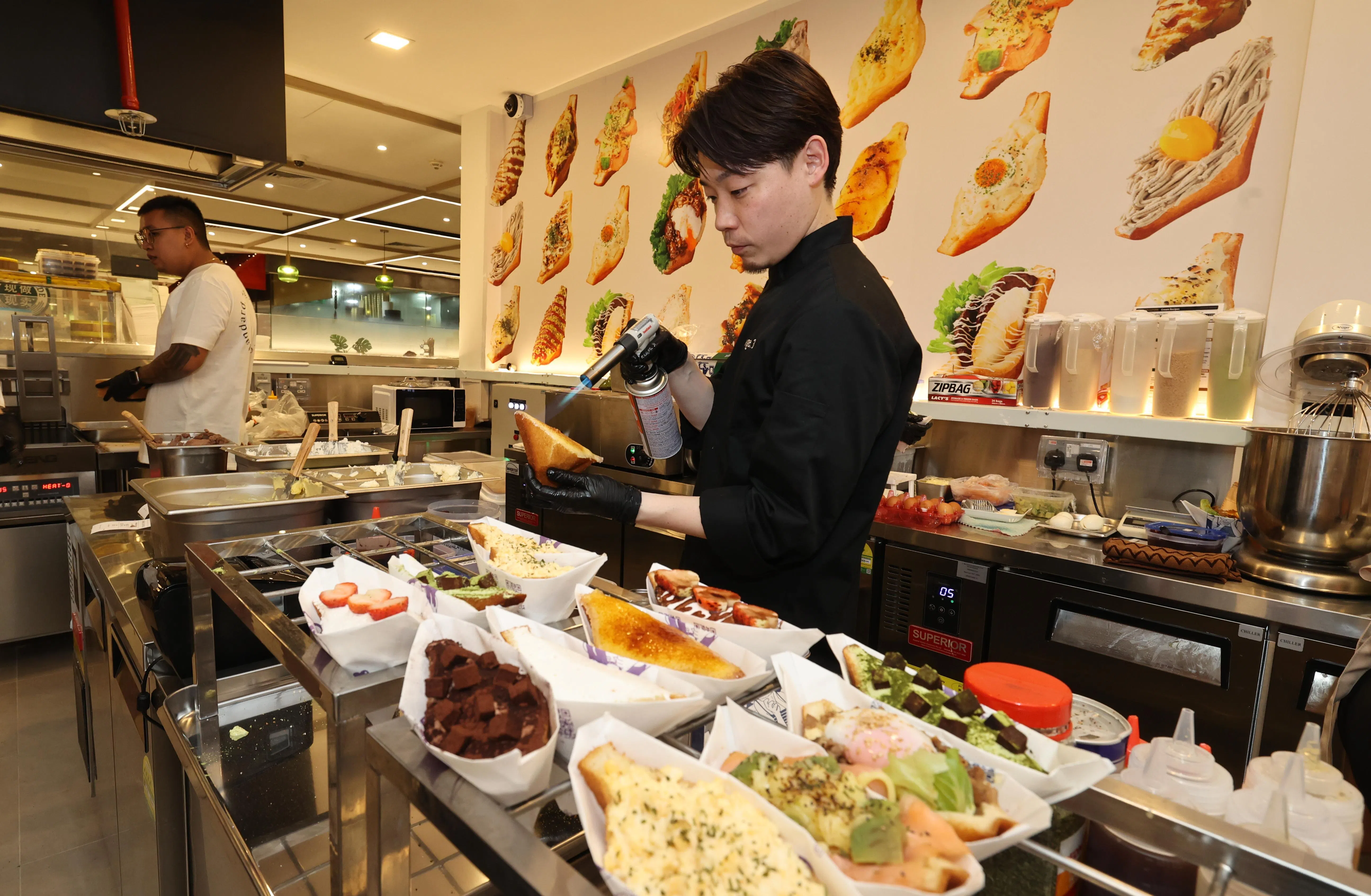
The hugely popular fried sandwich specialist Age.3 from Japan has arrived in Singapore with 35 sweet and savoury varieties. Since opening in 2023, the brand, which fries and fills its sandwiches-to-order using Japanese milk bread baked fresh daily, has sold more than a million sandwiches and drawn queues lasting up to two hours.
Meanwhile, Japanese sandwiches, or sandos, are enjoying a surge in popularity on Singapore's dining scene. Brands are continually introducing fresh ideas, from specialist shop Sando's classic tonkatsu and tamagoyaki sandwiches to Creamier's truffled mushroom and mentaiko tuna versions, and Hello Arigato's chicken katsu sando. Once an affordable convenience-store meal, the Japanese sandwich has become a highlight at specialty coffee shops and on the global food scene.
Age.3: an evolution of the fruit sandwich
Age.3 founder Koji Nakashima shared his entrepreneurial journey in an interview with Lianhe Zaobao (LHZB).
The first Age.3 outlet opened in Tokyo's Ginza district in 2023. Before that, Nakashima had opened a hair salon in his home town of Kama in Fukuoka prefecture in 2006, followed by a fruit sandwich shop called THREE in Fukuoka in 2020.
He said: “While making fruit sandwiches every day, I discovered that frying them created an entirely new texture — crisp on the outside and soft within. In a sense, Age.3 is an ‘evolved fruit sandwich’.”
Nakashima wanted to turn it into an everyday food originating in Japan that people around the world could enjoy; that was how Age.3 came about.
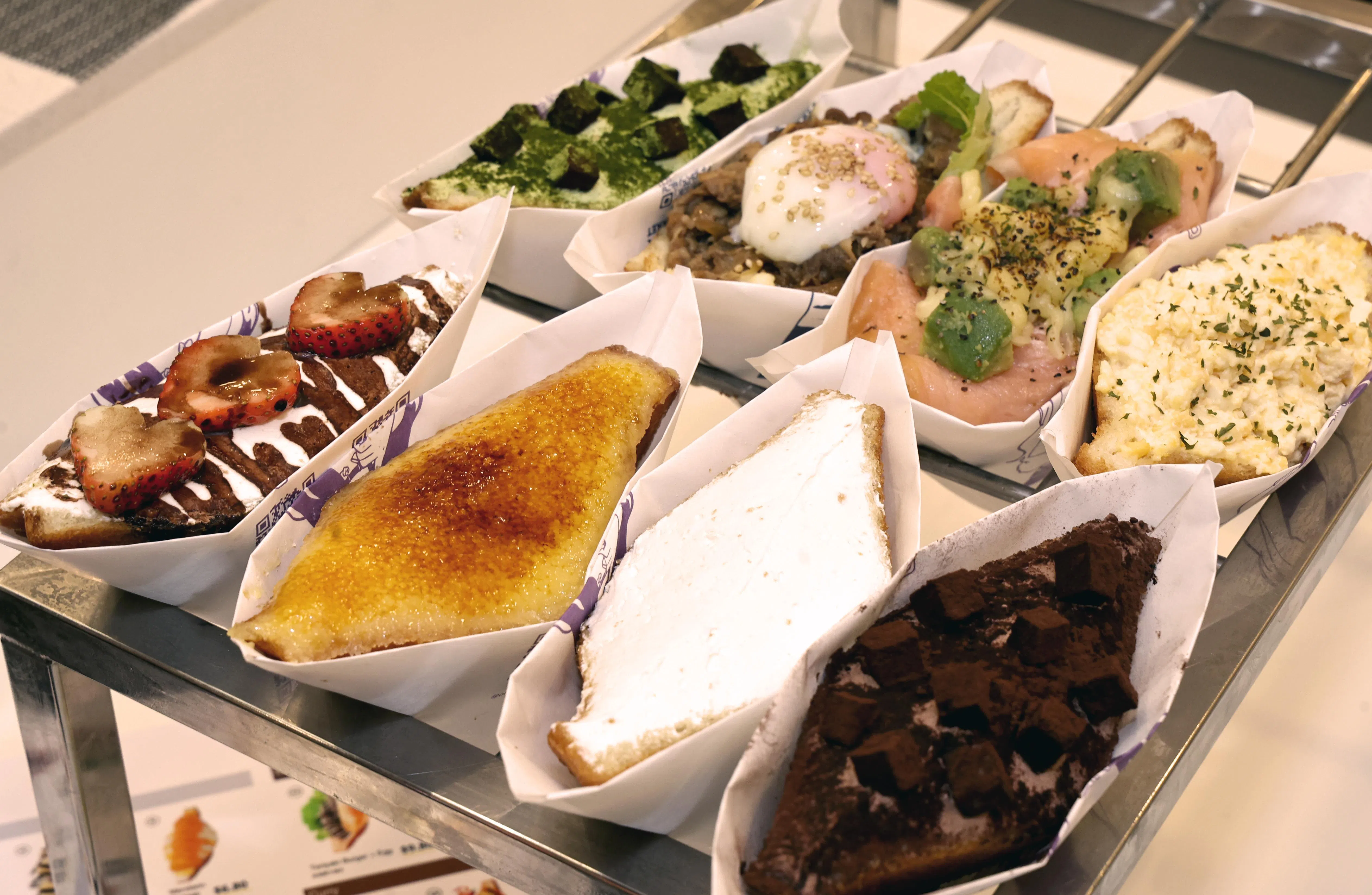
Most Japanese sandwiches are served cold and have a soft texture. Age.3's sandwiches, however, have the aroma and crunch of freshly fried food, contrasting sharply with the fillings and cream inside. Nakashima believes their greatest appeal lies in the unforgettable texture of the first bite.
While developing the fried sandwiches, the team's biggest challenge was finding a way to make them light rather than greasy, keep them crisp even after they had been left for a while, and ensure consistent quality at every outlet worldwide. To achieve this, they developed their own bread and frying oil, and carefully selected the cream that best complemented the fried sandwiches.
The signature offering is the original whipped cream fried sandwich, while the creme brulee flavour is another hugely popular must-order. Alongside the sweet varieties are savoury fried sandwiches with fillings such as smoked salmon, egg salad and minced meat curry. Among the many sandwich varieties, Nakashima's favourite is creme brulee. He said: “The crisp caramelised top and the crunch of the fried bread come together, so you get two different textures in a single bite. It is also our most popular flavor among customers, and I think it is the one that best expresses what Age.3 is all about.”
New flavours for Japanese sandwiches
Singapore offers a wide range of Japanese sandwiches, from traditional Japanese classics to inventive flavours incorporating new elements.
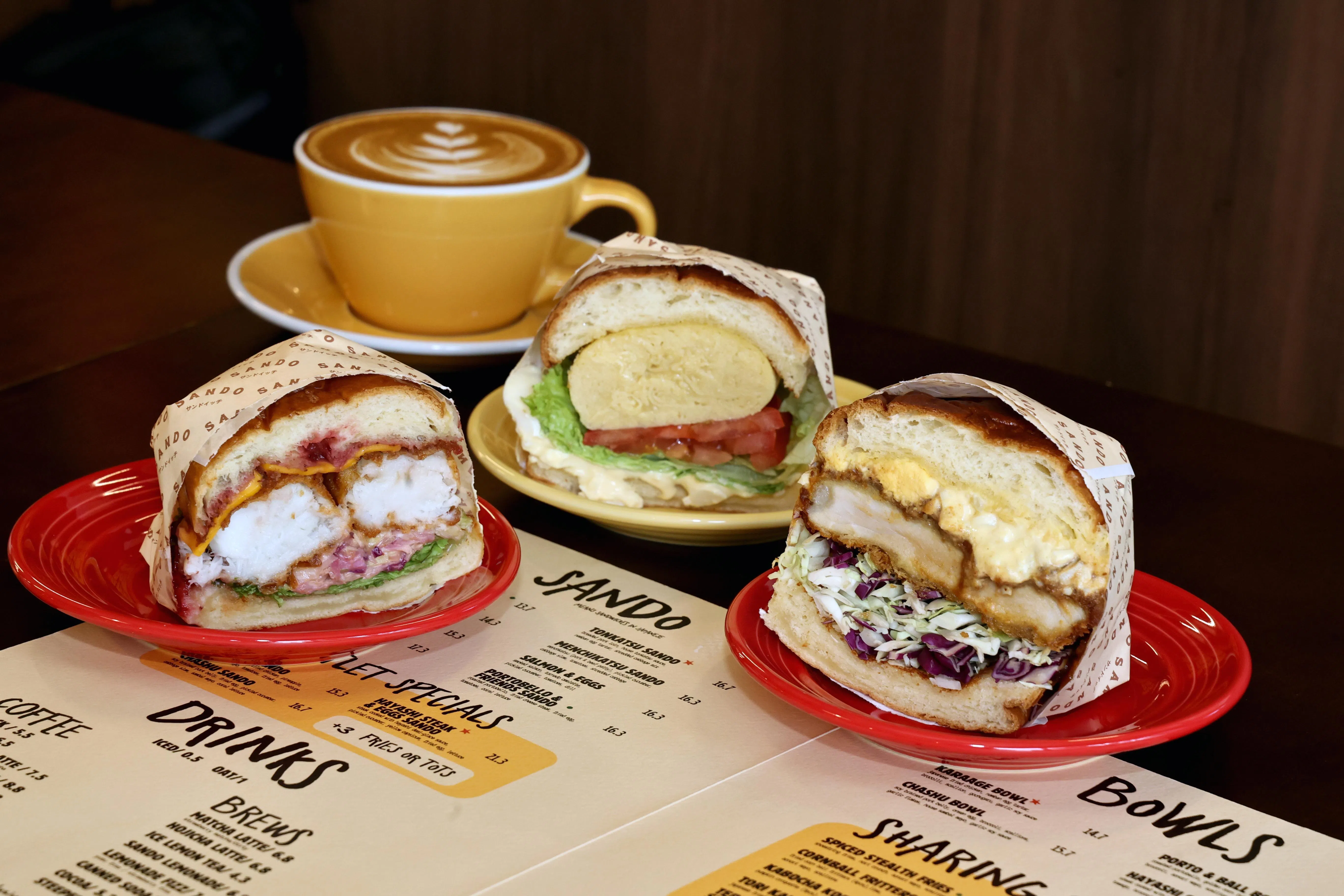
Japanese sandwich specialist Sando offers more than 10 options, including its signature tonkatsu and tamagoyaki sandwiches, as well as a recently introduced hoki fish sandwich.
There was a lot of care put into the bread, fillings and even the little details at shops in Japan and South Korea. It made us realise that a good sandwich could be so much more than just a quick bite. — Goh Ee Chong
Co-founder Goh Ee Chong said he and his partners visited many sandwich shops and cafes while travelling in Japan and South Korea. They were deeply impressed by the attitude towards this simple food. “There was a lot of care put into the bread, fillings and even the little details at shops in Japan and South Korea. It made us realise that a good sandwich could be so much more than just a quick bite.” This inspired them to start Sando.
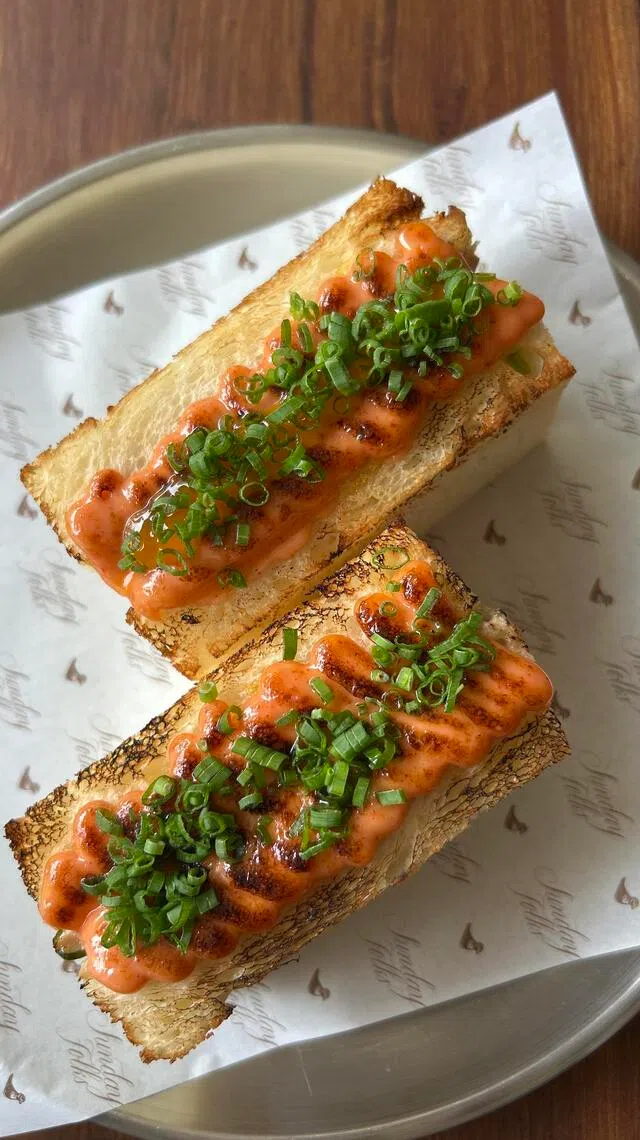
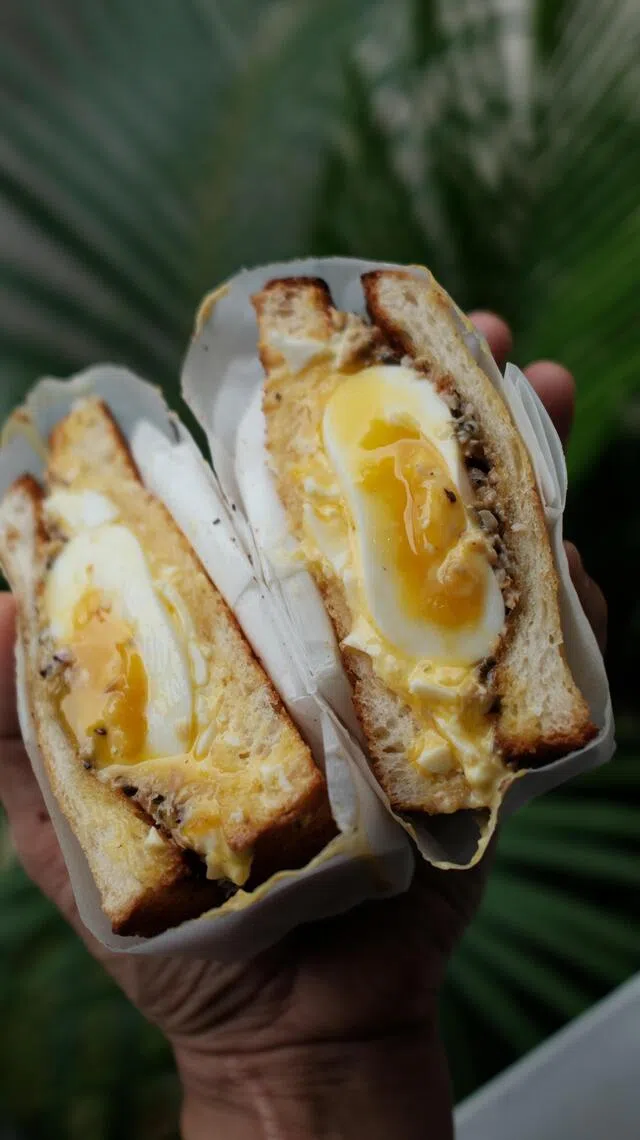
Popular Singapore ice cream shop Creamier offers more than ice cream. Its recently updated menu now includes Japanese sandwiches in truffled mushroom and egg, mentaiko tuna, and gochujang fried chicken flavours. Co-founder Khoh Wan Chin said: “We enjoy exploring familiar Asian flavours and reimagining how they can work in a sandwich. We also work with selected local producers, including Mushroom Buddies, whose locally grown mushrooms feature in our Truffled Mushroom Tamago sando.”
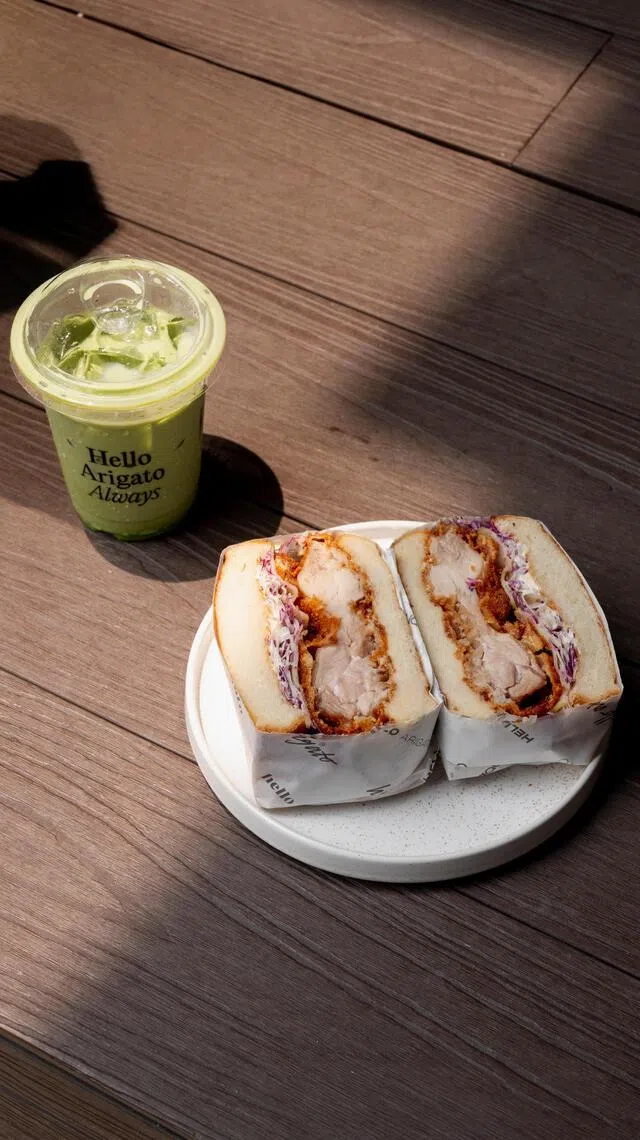
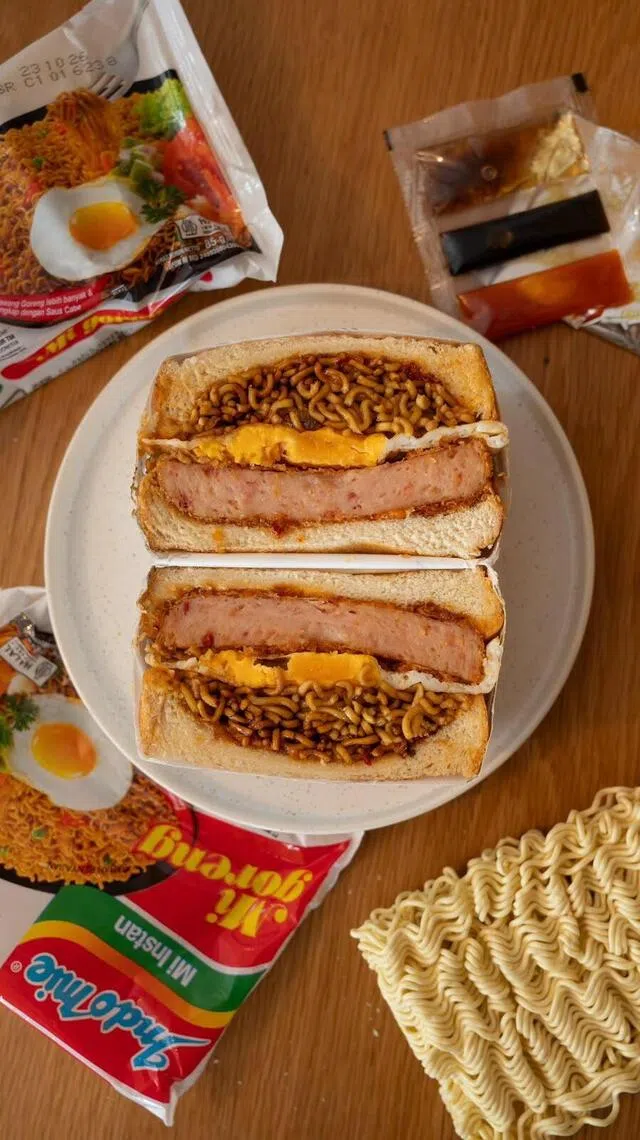
Cafe Hello Arigato is known for its thick-cut Japanese sandwiches. Its three bestsellers are the beef cutlet, tamagoyaki and fried chicken cutlet sandos. Co-founder Colin Chen said: “What we love about sandos is their simplicity and versatility. At their core, they are made up of just bread and a filling, but there is so much room for creativity when it comes to ingredients, cooking techniques and flavour combinations. At Hello Arigato, we developed our own interpretation of Japanese sandos by pairing soft Japanese milk bread with generous, thick-cut fillings and flavours inspired by both Japanese and broader Asian cuisines.” The cafe also incorporates local comfort food into its Japanese sandwiches through limited-edition flavours. Its Sandomie, for instance, is filled with fried luncheon meat, sambal mayonnaise, Indonesian sweet soy sauce (kecap manis), Indomie instant noodles, fried shallots and a fried egg.
Good bread makes the sandwich
The greatest challenge in making an authentic Japanese sandwich often lies in choosing and handling the bread, not just preparing the filling. At its heart is bread that is soft on the outside and moist within, yet does not collapse. Far from merely supporting the filling, it is essential to the eating experience. The wrong bread can seriously compromise both texture and structure.
Sando's house-baked bread is its own interpretation of Japanese milk bread, or shokupan. Slightly sweeter than the traditional version, it differs from the usual square slices and looks and feels more like a burger bun.
Goh said: “Perfecting this bread has been one of our biggest challenges. We spent several years refining it because we believe the bread is just as important as the filling. It needs to be soft and fluffy, yet sturdy enough to hold all the fillings securely without overshadowing them.”
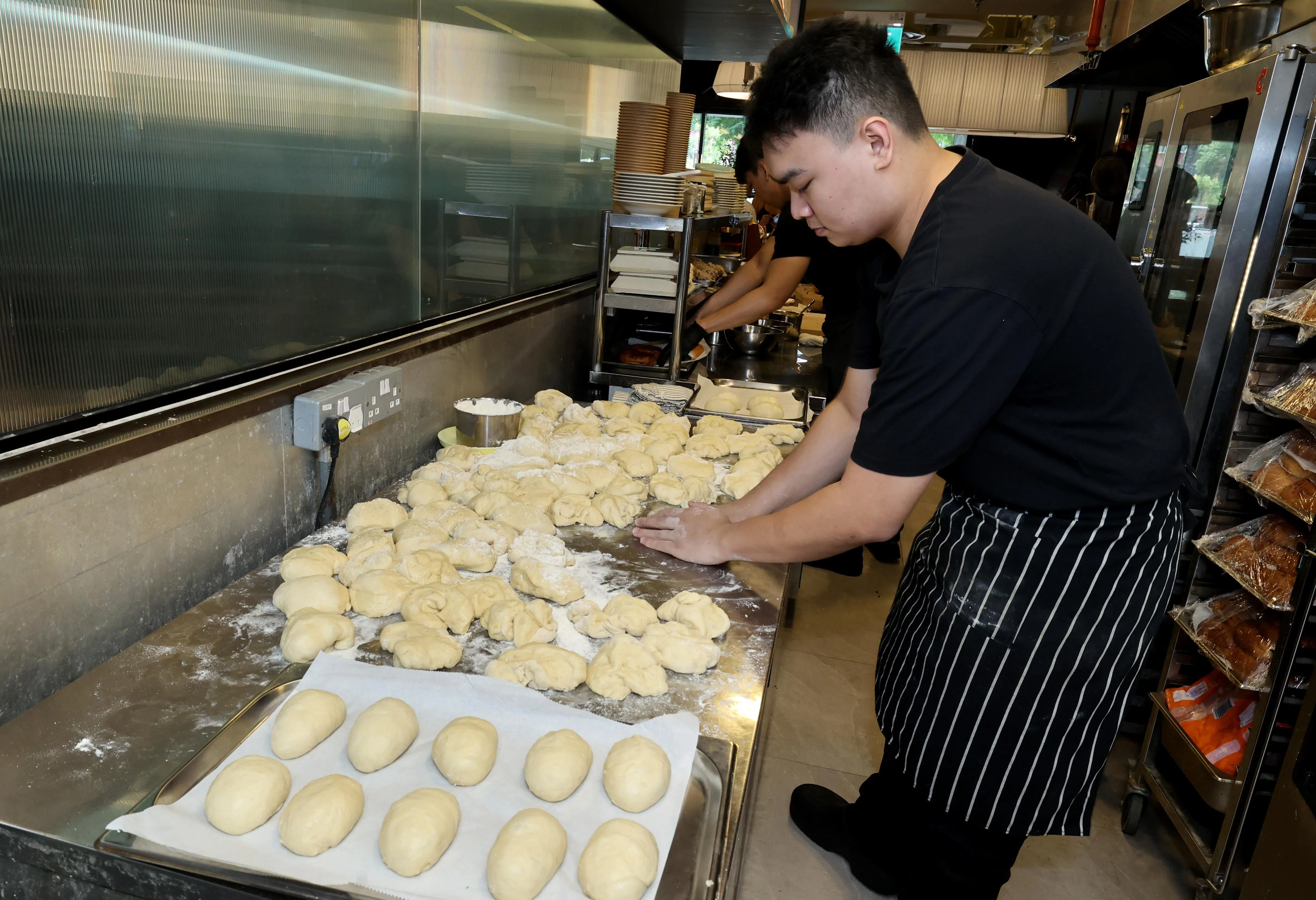
Khoh also noted that a great sandwich begins with good bread. Creamier makes its Japanese milk bread from scratch using a carefully selected blend of Japanese flour and the traditional yudane method of scalding flour. The resulting bread is exceptionally soft and cloud-like, with a delicate, slightly springy texture. Its subtle sweetness complements both savoury and sweet fillings without overpowering them.
Khoh said the most demanding part of making their sandwiches was not the filling but the bread. Japanese milk bread requires meticulous preparation, from selecting and blending Japanese flour and preparing the yudane to kneading, proofing and baking. Every step needs care. The greatest challenge is achieving a consistent texture that is both firm and soft, with enough structure to hold generous fillings.
She said: “Baking is both a science and a craft. Small differences in hydration, gluten development and proofing can directly affect the texture of the finished product. It certainly takes a great deal of effort for something that looks so simple, but that is precisely why we enjoy it.”
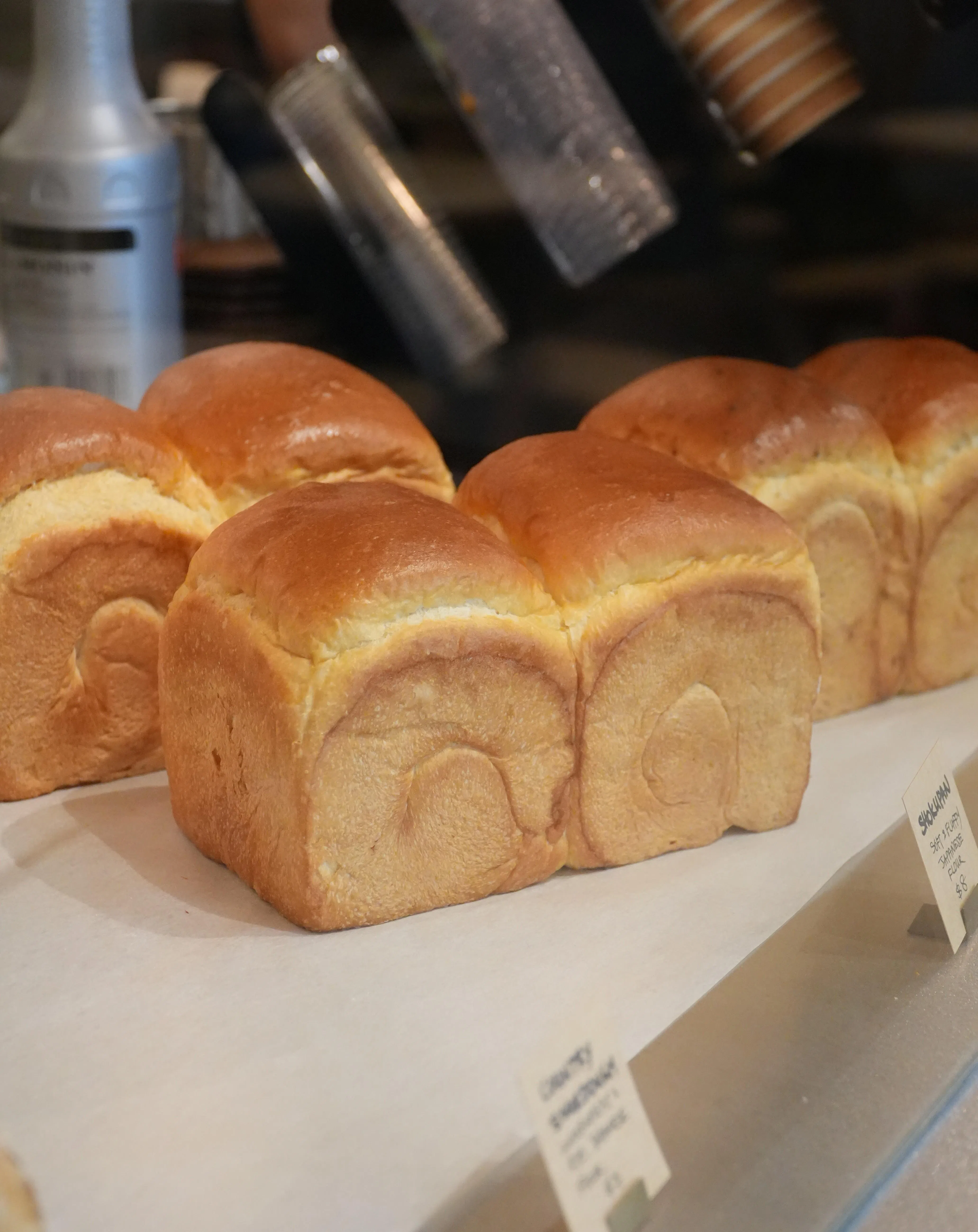
At Hello Arigato, the bread is just as important as the filling. Its milk bread is made to a proprietary recipe, soft enough to bite through easily yet sturdy enough to hold thick, generous fillings.
The evolution of the Japanese sandwich
In Japan, sandwiches are simple meals made with care. Part of everyday life as well as special occasions, they have evolved into a food culture marked by attention to detail, aesthetics and a sense of ritual.
Nakashima said sandwiches were introduced to Japan from the West during the Meiji era and became popular as railway bentos. After the war, fried bread known as age-pan appeared in school lunches, making it a nostalgic childhood flavour for Japanese people. Egg and pork cutlet sandwiches later became cafe classics. Convenience stores then turned sandwiches into an everyday food eaten by the masses. In recent years, fruit sandwiches with beautifully arranged cross-sections have captured attention worldwide. Age.3 combines fruit sandwiches with Japan's fried bread culture to create an evolved version of the fruit sandwich.
From bread to filling, Japanese and Western sandwiches take different approaches
What is the difference between Japanese sandwiches and typical Western sandwiches?
Nakashima highlighted two main differences: “The first is sweet sandwiches. Sandwiches overseas are mostly savory, with fillings like ham, cheese, and vegetables, and sweet ones are rare. In Japan, fruit sandwiches and cream-filled dessert sandwiches are classics, enjoyed as desserts and even given as gifts. The second is attention to detail. Japanese sandwiches use fine, soft milk bread with the crusts removed, and care is taken over how they look and how easy they are to eat.”
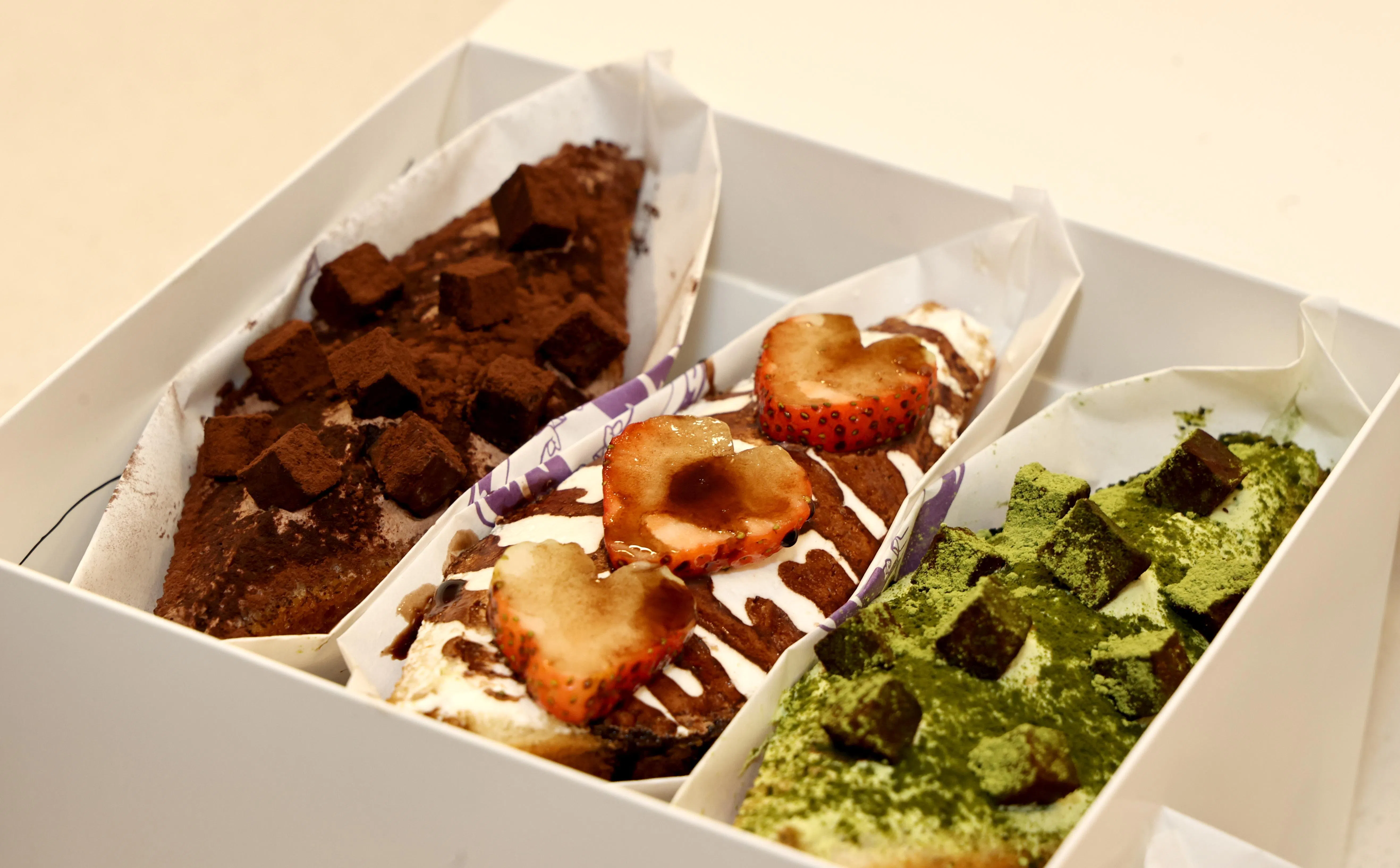
Another major difference lies in the types of bread traditionally used. Chen said: “Japanese sandos typically feature Shokupan, a soft and fluffy Japanese milk bread with a slightly sweet flavour, while Western sandwiches are often associated with a wider variety of breads, including sourdough, baguettes and ciabatta.”
Japanese sandwiches also tend to feature relatively simple combinations of ingredients, with particular attention paid to balancing flavour and texture. A classic pork cutlet sandwich, for instance, combines a crisp, breaded cutlet with soft milk bread and a tonkatsu sauce that balances sweet and savoury notes, while the traditional tamagoyaki sandwich centres on a smooth, tender egg filling.
▲Age.3
Address: B4-64/65 ION Orchard, 2 Orchard Turn S238801
▲Creamier
Address: Blk 131 Toa Payoh Lor 1 #01-02 S310131
▲Sando
Address: #01-02 New Tech Park, 151 Lorong Chuan S556741
▲Hello Arigato
Website: helloarigato.com
