



Persistently high blood glucose can damage blood vessels and nerves, increasing the risk of heart disease, stroke, kidney disease, impaired vision and nerve damage. Dr Vikram Sonawane, Senior Consultant Endocrinologist and Founder of Harmony Thyroid Endocrinology and Diabetes Centre (a member of Beyond Medical Group), says: “Even patients with well-controlled blood glucose may remain at risk of complications due to other factors, such as high blood pressure, elevated cholesterol and existing kidney disease.”
Dr Sonawane cautions: “Feeling well or having occasional normal glucose readings does not necessarily mean that diabetes is well controlled or that complications are absent.” Problems such as kidney disease, retinopathy and nerve damage may have no obvious symptoms in their early stages. Patients should therefore focus on the following five aspects of diabetes management.
① Monitor blood glucose with regular tests
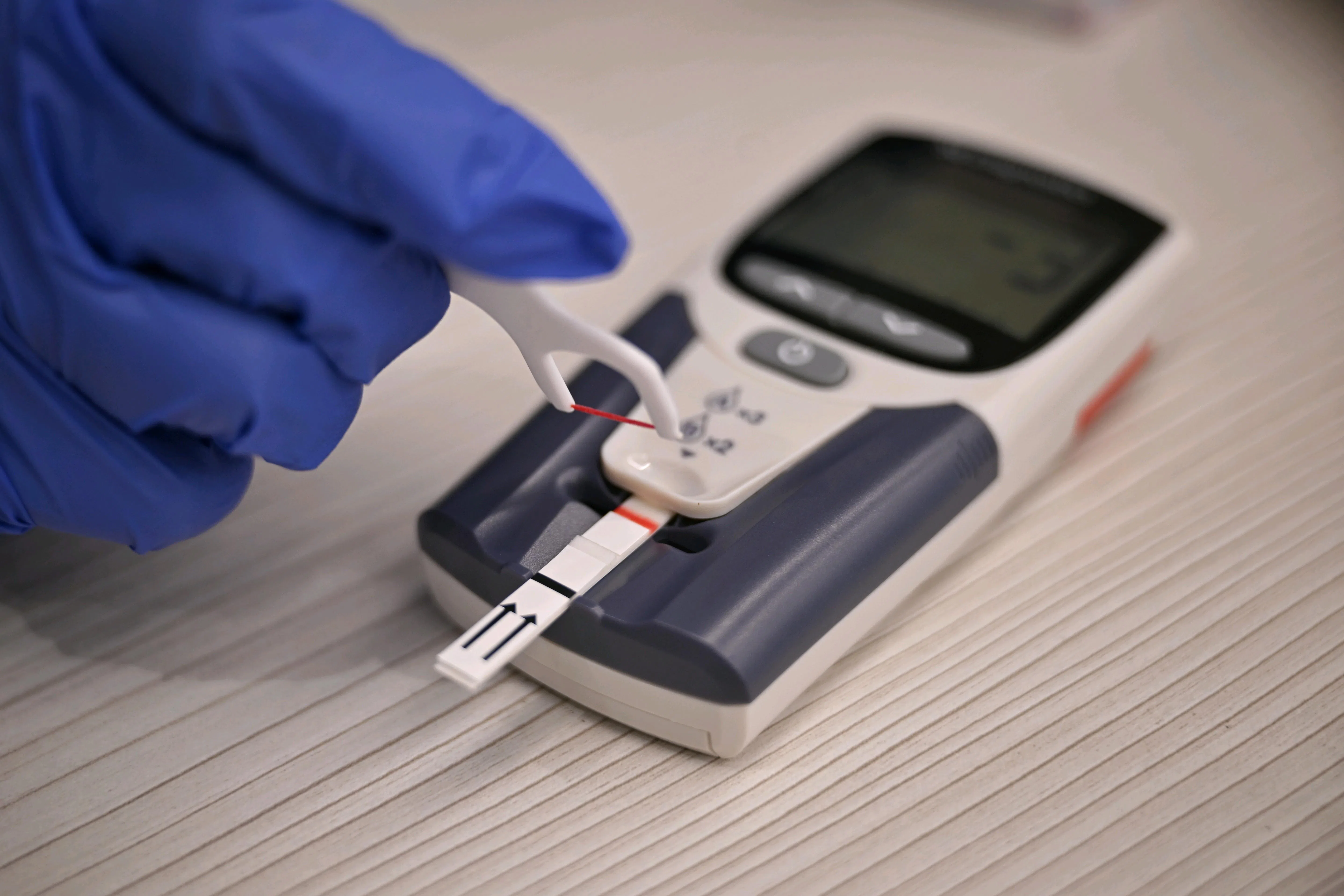
Have regular glycated haemoglobin (HbA1c) tests to assess average blood glucose over the past two to three months, along with blood pressure and cholesterol checks. Patients should also undergo blood and urine tests for kidney function, retinal screening and foot assessments. The frequency of these checks should be tailored to the type and duration of diabetes, as well as individual risk.
② Set personalised blood glucose targets with your doctor
The HbA1c target is generally below 7%, but varies from person to person. Younger, healthy patients may aim for tighter control, while older patients or those with other serious illnesses may have less stringent targets. Those using insulin or certain glucose-lowering medicines that can cause low blood glucose should pay particular attention to this risk.
③ Make healthy habits part of daily life
Dr Sonawane recommends taking a brisk 10- to 15-minute walk after lunch or dinner, reducing portions of white rice and noodles, eating more vegetables and moderate amounts of protein, and replacing sugary drinks with plain water or sugar-free drinks. Get up and move after every 30 to 60 minutes of sitting, and get seven to nine hours of sleep each night. Maintaining these habits can help improve blood glucose and long-term metabolic health, but cannot replace medication and regular follow-up appointments.
④ Watch for physical changes and seek medical attention promptly
Seek medical attention promptly for sudden or persistent blurred vision, dark spots in your field of vision, numbness or tingling in your feet, unexplained ankle swelling, or wounds and blisters that are slow to heal, especially if accompanied by redness, swelling or discharge. If you experience recurrent sweating, trembling or dizziness, check your blood glucose promptly and follow your doctor’s instructions. Seek emergency medical attention for chest pain, sudden weakness, difficulty speaking, sudden loss of vision, severe confusion or fainting.
⑤ Attend follow-up appointments and screening even without symptoms
Dr Sonawane shares the case of a 55-year-old patient who had had type 2 diabetes for eight years. Although the patient had no obvious symptoms and normal kidney filtration function, a routine check found elevated levels of albumin in the urine (urine albumin), leading to a diagnosis of early diabetic kidney disease. After treatment adjustments, blood glucose and blood pressure control, and continued monitoring, the patient’s kidney function remained stable and urine albumin levels improved. This shows why regular follow-up appointments and screening are important even without symptoms, allowing early intervention to slow disease progression.
