

Myanmar’s military government, which faces US sanctions, reportedly colluded with energy middlemen to secretly buy more than 840,000 barrels of sanctioned Iranian jet fuel worth over US$100 million in a year, by falsifying trade documents, mislabelling cargo, and using commercial bank accounts in Thailand.
Human rights group Justice For Myanmar said in a report on Monday (26 October) that the junta imported at least six shipments of sanctioned jet fuel between December 2024 and November 2025 by labelling it as “diesel” in trade documents. The shipments totalled more than 843,000 barrels and were worth US$109.5 million (about S$140 million).
The US began imposing sanctions on Myanmar’s jet fuel sector in 2023 to punish the military for launching deadly air strikes on civilian targets under the pretext of suppressing armed resistance.
According to Justice For Myanmar, details of these trading practices were briefly made public through a data leak on a Myanmar government website. Reuters corroborated one transaction worth about US$15.8 million through sales contracts, confidential correspondence and shipping data.
On paper, Myanmar energy broker Dynamic Wave ordered about 120,000 barrels of high-speed diesel from South Africa through Thailand’s Tawan-Oil Trading last November. However, data from the United Nations and Vortexa, a shipping and energy data provider, showed no such trade between South Africa and Myanmar in 2025.
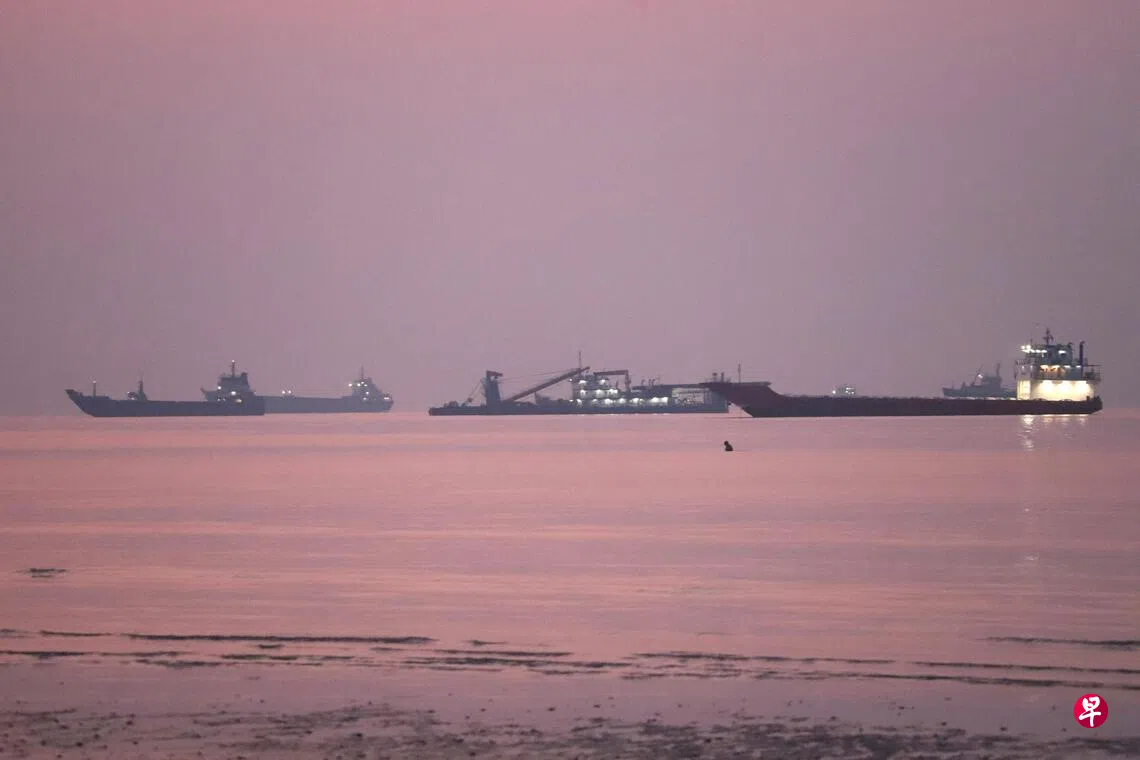
Shipping records for the fuel sent to Myanmar showed that the cargo delivered to a Myanmar port in December by Reef, a tanker under US sanctions for allegedly belonging to Iran’s “shadow fleet”, was in fact 113,000 barrels of Iranian jet fuel. Satellite imagery from SynMax Intelligence documented the tanker’s voyage from Iran’s Bandar Abbas to Southeast Asia.
Correspondence seen by Reuters showed that Myanmar’s junta was involved in the arrangement. Days before Reef arrived in Myanmar, the country’s foreign exchange regulatory authority informed Dynamic Wave’s client, National Energy Prime Aviation Services Company, that the authorities would label the cargo as “diesel” rather than “jet fuel” on the import documents they issued. The authorities also authorised the buyer to pay for the shipment through Tawan-Oil Trading’s account at Thailand’s Siam Commercial Bank.
A 2024 UN report had already identified Tawan-Oil Trading as a jet fuel supplier to Myanmar’s military. Siam Commercial Bank was described as a major facilitator of Myanmar military procurement in that report.
The parties involved in the transactions, Iran’s Ministry of Foreign Affairs and the US Treasury Department did not respond to Reuters’ requests for comment.
Reuters reported in January this year that Iran was the main supplier of jet fuel to Myanmar’s military between October 2024 and December 2025. Most of the transactions were carried out by two sanctioned Guinea-flagged tankers, Reef (later renamed Maris) and Noble.
Citing SynMax Intelligence’s analysis and satellite imagery, Reuters also reported earlier this month that jet fuel shipments between Iran and Myanmar were continuing despite comprehensive US trade sanctions on Iran.
The report noted that the elaborate efforts to conceal the trade showed that US sanctions were having an effect. Yet the continued flow of Iranian jet fuel to Myanmar also illustrated the limits of Washington’s sanctions, earning Tehran valuable foreign currency while supplying Myanmar with fuel to sustain commercial aviation and carry out air strikes.
