

Korean dramas often portray bodyguards and celebrities developing feelings after spending so much time together. But do close-protection officers in real life really have the opportunity to pursue a relationship with the stars they protect?
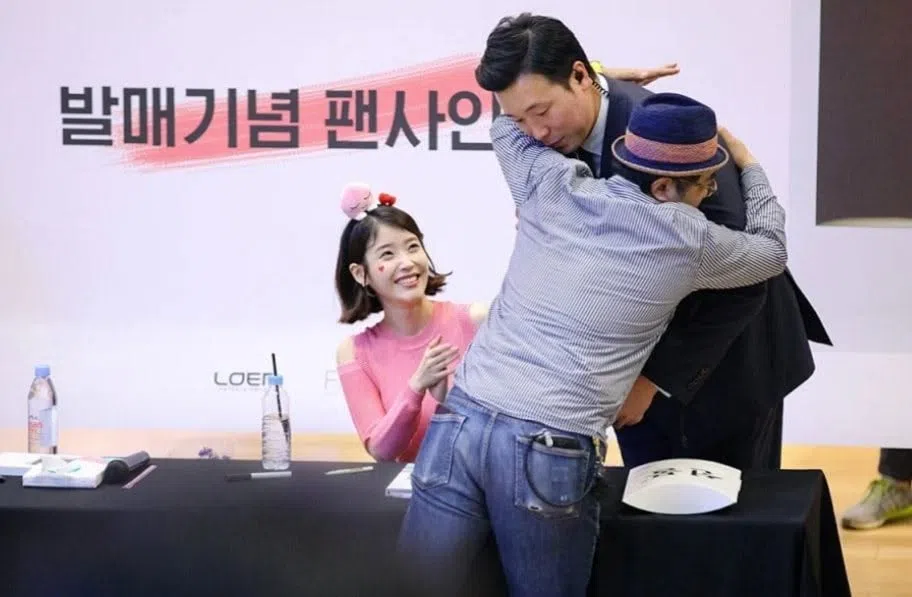
Wang Zhihong, head of Prudence Security Specialist, who has worked in celebrity security for about 30 years, said professional bodyguards generally do not develop romantic relationships with celebrities, as they must maintain a certain professional distance. Nor would bodyguards take the initiative to ask for a celebrity’s private contact details, such as their phone number or email address. However, it is possible for them to become friends after working together for a long time. The father-daughter-like interaction between South Korean singer-actress IU (Lee Ji-eun) and her personal bodyguard, for instance, has drawn fans’ attention.
How far will obsessive fans go? Checking into a hotel and searching floor by floor for a celebrity
Beyond maintaining boundaries with celebrities, close-protection officers more often have to assess risks and handle unexpected situations in their daily work. Wang once encountered fans who checked into the same hotel as a celebrity, then split into groups of five or six to search each floor for the star’s room. To deal with such situations, some more prominent celebrities request round-the-clock close-protection services.
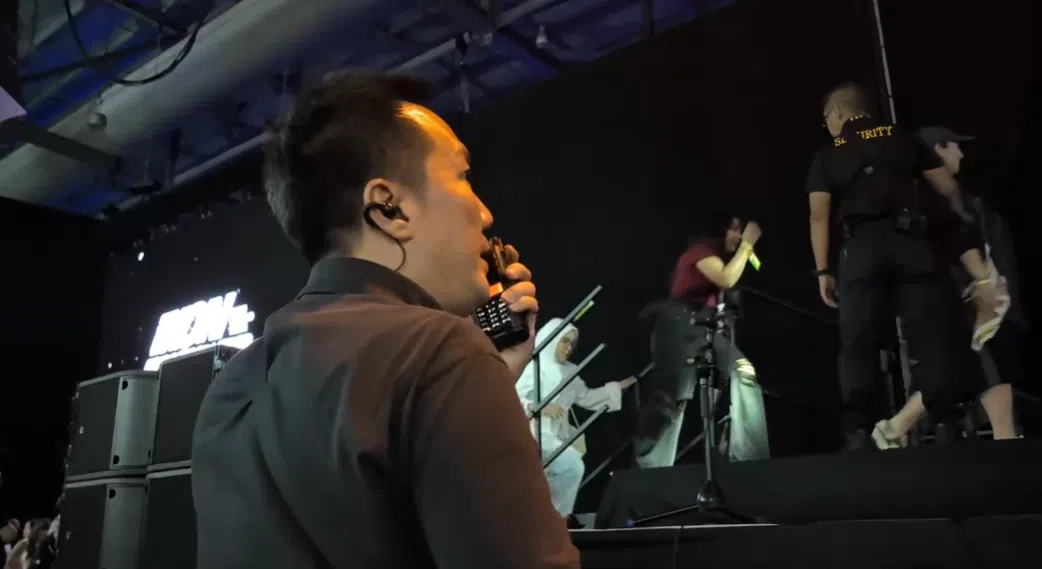
Wang said that years of experience have made him quick to observe strangers, including their behaviour, backpacks and what they are carrying, in order to assess potential risks. When South Korean boy band iKON came to Singapore for a concert in July, his team inspected the venue in advance, checking areas ranging from seating and toilets to backstage. While most audience members focus on the stage, security personnel pay closer attention to the crowd and their surroundings.
A bodyguard’s occupational habit: unable to relax?
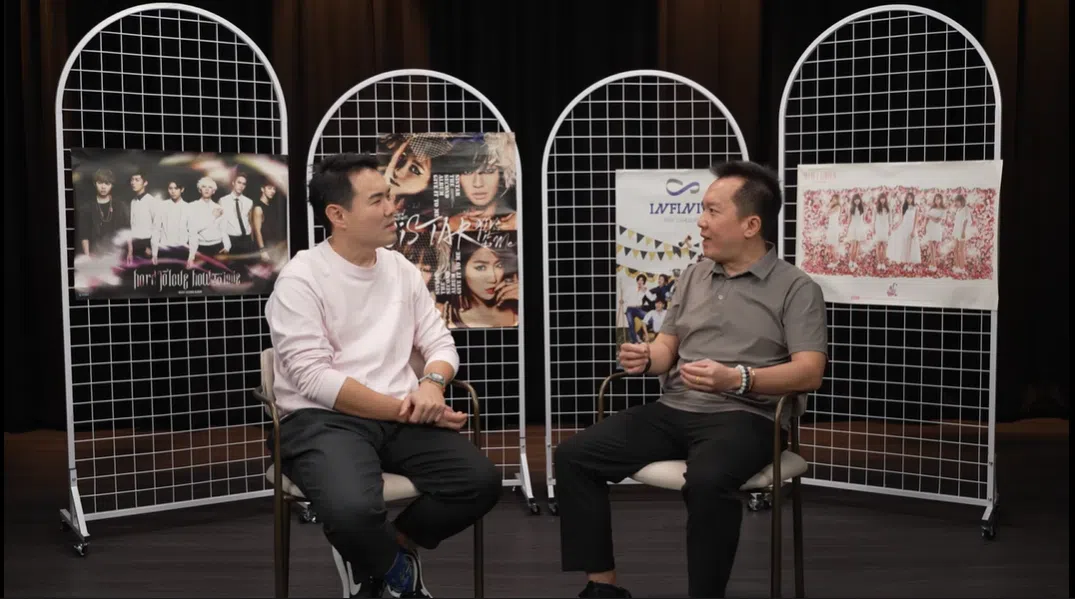
Remaining alert for long periods has also given rise to certain occupational habits. On the day of the interview, before host Ken Low could greet Wang when picking him up, Wang had already noticed him out of the corner of his eye. He said that whenever he enters an unfamiliar place, he instinctively checks the location of entrances, security guards, vehicles and people nearby. He joked that he can relax only when he is asleep.
Do new recruits have to fight first during an interview?
Another common perception is that bodyguards must be highly skilled fighters, leading some to assume that recruits have to “fight” during an interview to test their abilities. Wang said that in actual recruitment, he first gets to know applicants’ character, motivations, intelligence and ability to respond to changing circumstances through conversation, before testing their judgement with different hypothetical scenarios.
In the event of a fire, for example, some people may immediately reach for a fire extinguisher. But Wang is more concerned with whether an applicant also notices the exits and the overall environment. Close-protection officers need not only basic fitness and defensive skills, but also the ability to assess risks quickly and respond appropriately in an emergency.
Wang has also encountered applicants who wanted to become bodyguards to get close to celebrities or watch concerts for free, but such motivations do not meet professional standards.
Who is harder to protect: the wealthy, politicians or celebrities?
As for which clients are the hardest to protect — the wealthy, politicians or celebrities — Wang believes the wealthy require greater caution. He said films often depict tycoons surrounded by large entourages of bodyguards, but wealthy people in real life tend to keep a lower profile. They do not want too many people to know who they are, nor do they want others to see that they need protection, so they may sometimes ask for only one close-protection officer to accompany them. With fewer personnel available, bodyguards protecting wealthy clients often need to remain vigilant for longer periods.
Click on the video to find out more unusual questions about close-protection officers.
