

The Energy Market Authority (EMA) has launched a whole-of-government framework to aggregate public-sector demand for solar energy and identify more sites for solar panels, accelerating deployment at public facilities. Installing solar panels on the roofs of historic buildings is also being explored.
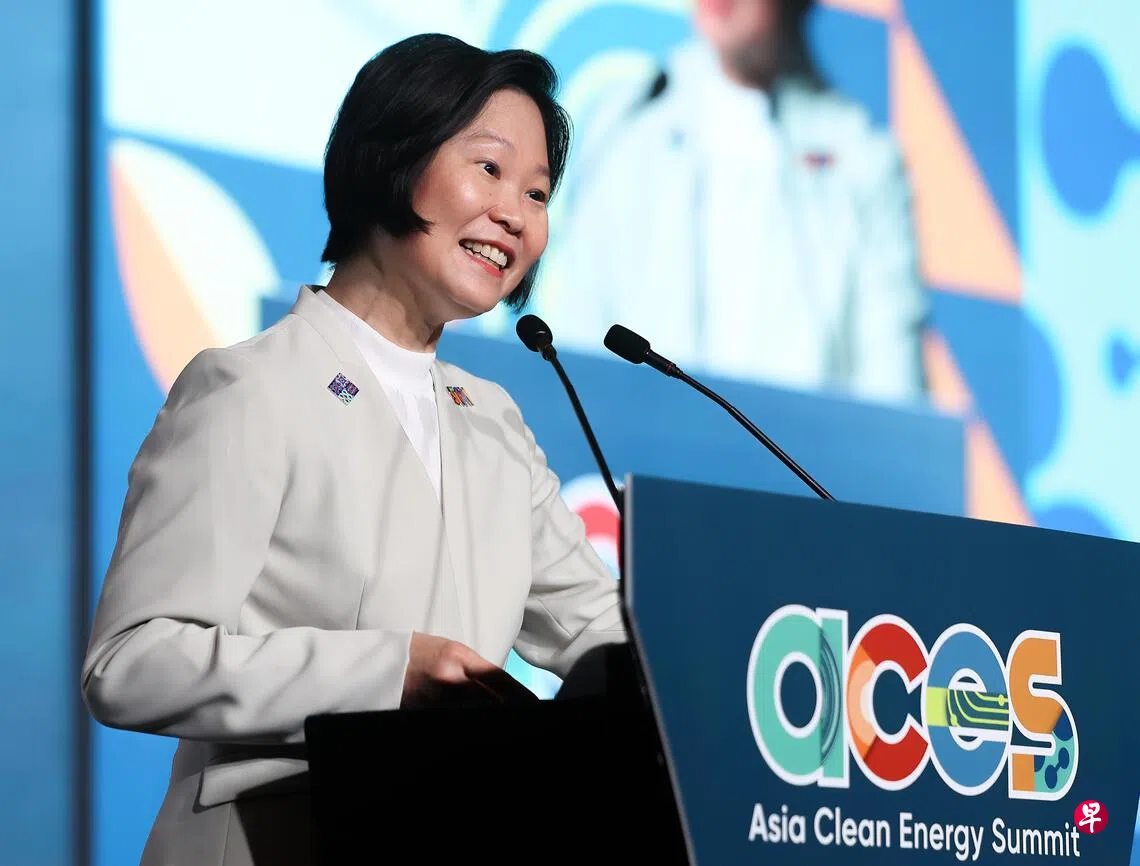
Gan Siow Huang, Minister of State for Foreign Affairs and Trade and Industry (Energy), announced the initiative at the 13th Asia Clean Energy Summit on Tuesday (27 October).
EMA will aggregate government agencies’ demand for solar energy through a new tender to expand deployment and create more opportunities in the sector.
The government has installed solar panels on the rooftops of more than 5,000 HDB blocks and public buildings through deployment programmes such as SolarNova. However, Gan said, “there is room to solarise more public spaces beyond rooftops.”
Under the new solar demand aggregation framework, EMA will appoint a panel of solar installers to help government agencies assess their solar potential and develop deployment plans. These could include solar carports and integrating solar technology into building designs.
Gan said more should also be done to encourage solar deployment in private homes.
More than 8,000 homes in Singapore already have solar panels. To make it easier for other private homeowners to get started, Gan announced that EMA would work with the Sustainable Energy Association of Singapore to establish a one-stop online platform connecting homeowners with solar installers.
Heritage buildings could be fitted with solar panels
EMA will use advanced technology to open up more sites for solar panels. Gan said, “To truly maximise our solar potential, we must look beyond conventional surfaces such as rooftops and open land, which are limited.”
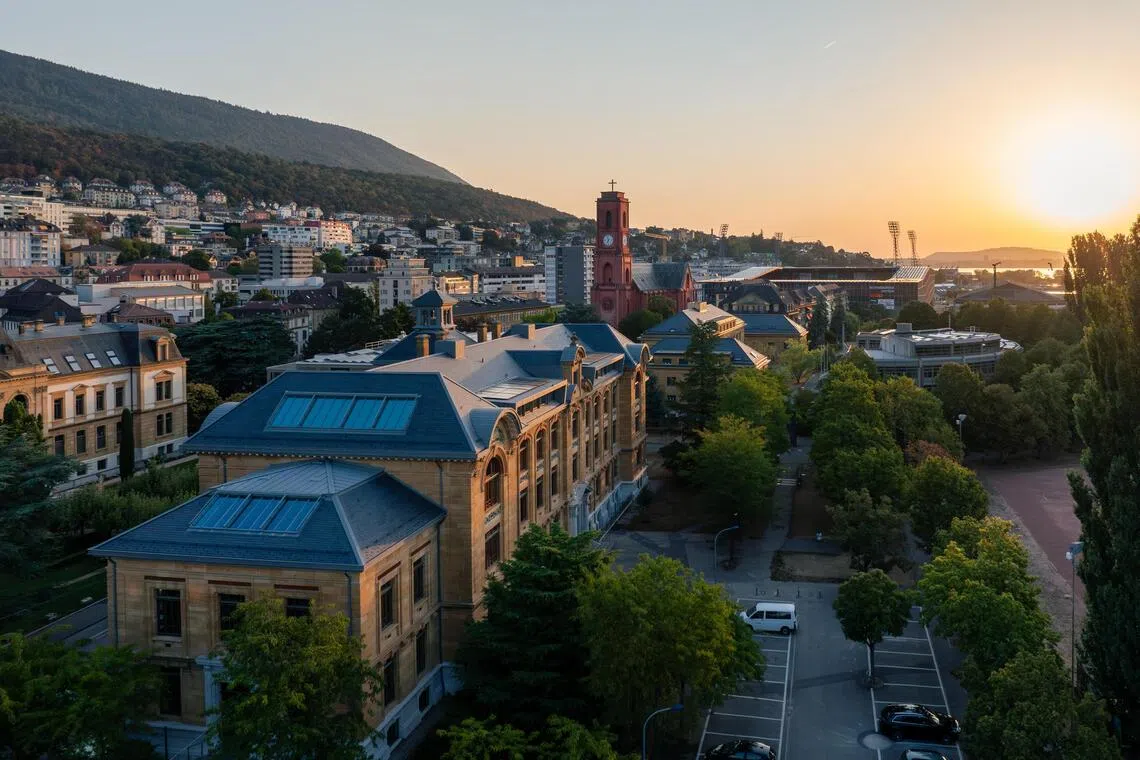
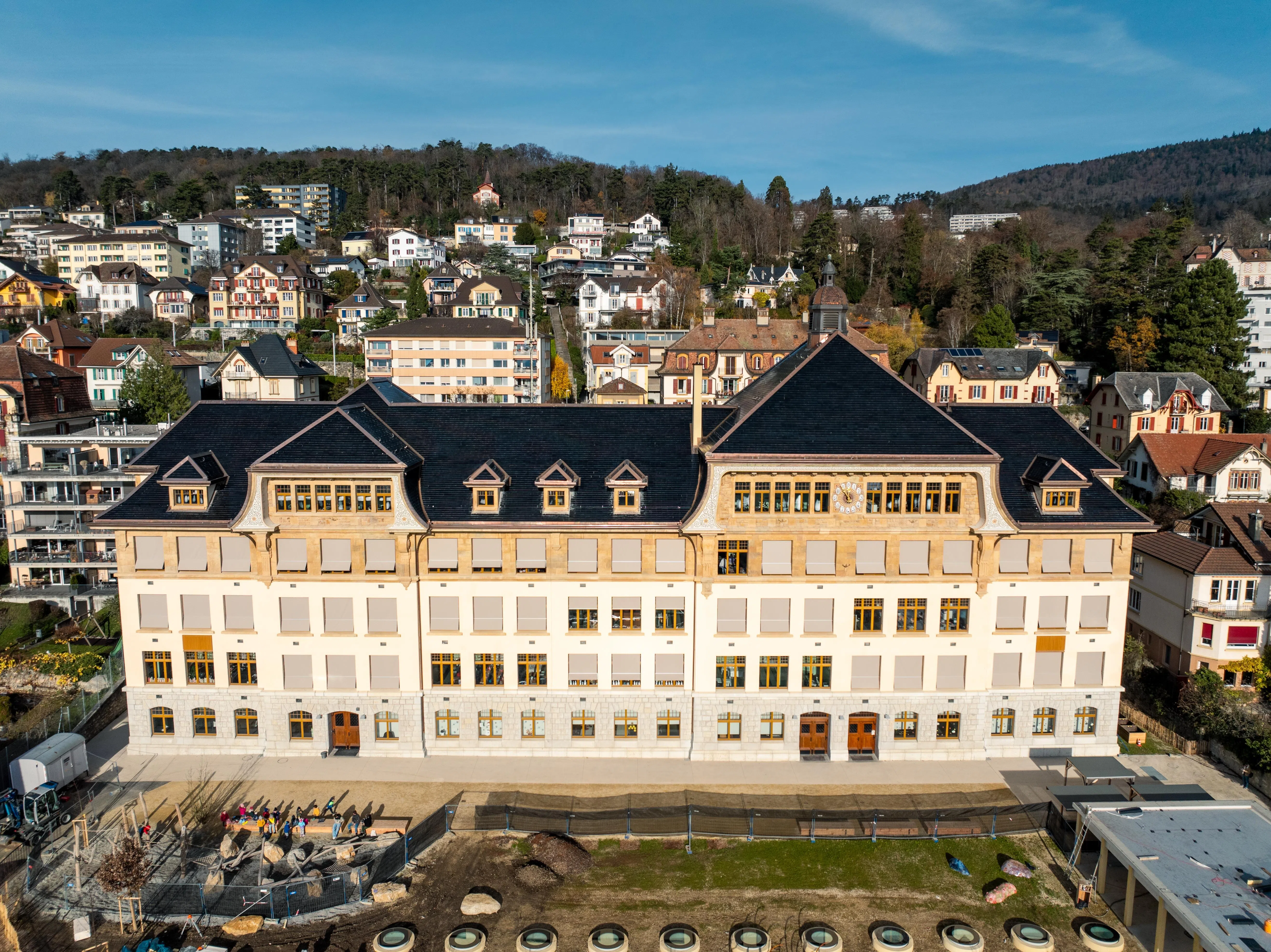
She cited heritage buildings as potential sites for solar deployment. EMA will work with the Singapore Land Authority and Swiss technology innovation centre CSEM to explore piloting solar roof tiles on these buildings without compromising their distinctive character, contributing to solar power generation.
EMA will also work with the Solar Energy Research Institute of Singapore at the National University of Singapore to assess the feasibility of deploying solar technology on different surfaces and chart a path towards maximising deployment in the medium to long term.
This will inform an update of the Singapore Solar Photovoltaic Roadmap to support the country’s solar energy goals.
Developing renewable energy requires a stronger electricity grid. EMA will therefore work with the Energy Research Institute at Nanyang Technological University to study and map Singapore’s electricity network, gaining a deeper understanding of the grid to prepare for future demand.
Solar can meet at most a tenth of Singapore’s electricity demand
Gan pointed out that although Singapore continues to push past constraints and seize every opportunity to deploy solar technology, the space available remains limited. Solar energy is expected to meet at most 10% of Singapore’s electricity demand by 2050.
“At the same time, many of the low-carbon options we are considering are still nascent and will not be ready for deployment soon. This makes low-carbon electricity imports from the region an important option for Singapore.”
However, developing electricity import projects is highly complex. Gan noted that these projects span multiple jurisdictions and require long-term regulatory certainty from the governments involved.
Electricity imports must also be commercially viable to compete with decarbonisation options such as solar energy and carbon credits.
“Electricity imports remain a key thrust in our efforts to decarbonise the power sector and diversify our energy supply. We are pressing ahead with our efforts to build a pipeline of promising projects, while strengthening the ecosystem needed to support them.”
For example, a feasibility study on building a second interconnector between Singapore and Malaysia is making steady progress and is expected to be completed early next year.
Singapore to work towards endorsement of submarine cable guidelines as ASEAN chair next year
Gan stressed that clear rules for regional electricity trade are also essential to reduce uncertainty for developers and facilitate project financing.
ASEAN is developing regulatory guidelines for submarine cable activities to establish best practices, including seabed surveys and the installation, maintenance and protection of submarine power cables. ASEAN energy ministers expressed support for the guidelines this month.
Gan said Singapore would work with ASEAN member states to endorse the guidelines when it assumes the bloc’s rotating chairmanship next year.
As Singapore expands solar deployment and advances low-carbon energy imports, businesses will have more opportunities to use renewable energy certificates to achieve their sustainability goals.
According to Gan, the government had updated the SS673 standard for renewable energy certificates in response to industry feedback seeking greater clarity on the different types of certificates.
Under the update, renewable electricity claims must be backed by certificates for renewable electricity actually supplied to Singapore’s grid.
