

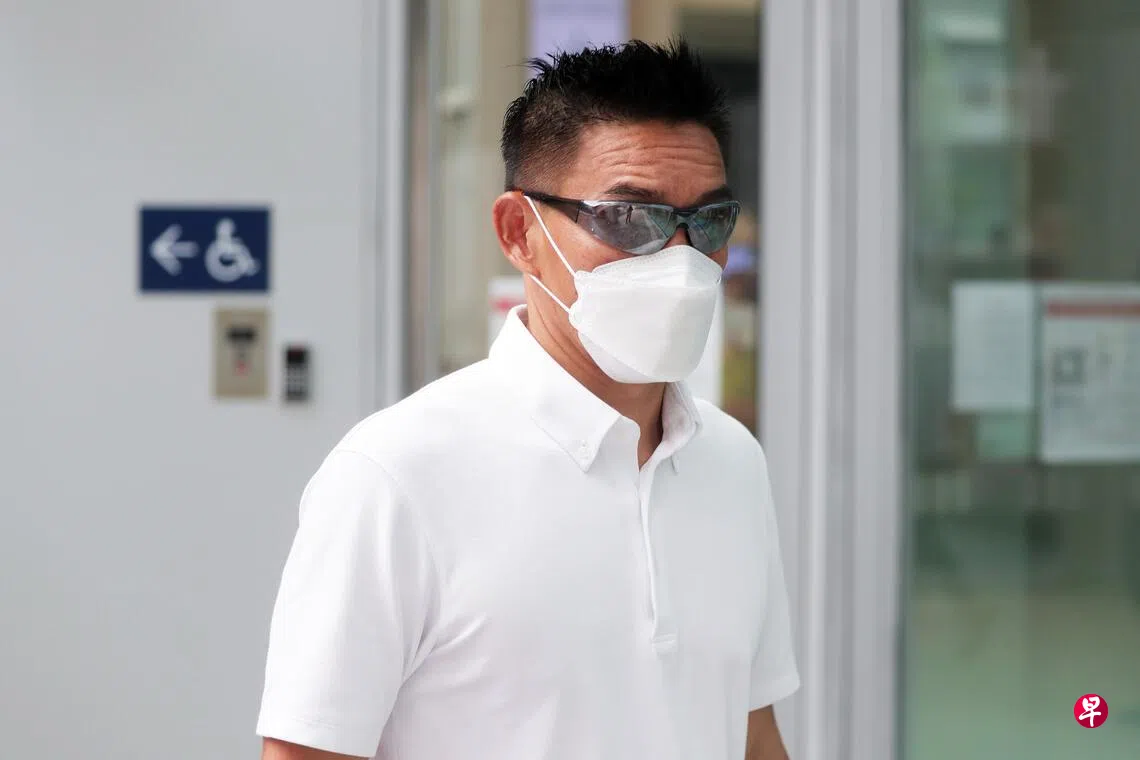
The High Court on Thursday (12 November) began a two-day hearing to reconsider the prosecution’s appeal against the acquittal of two former senior executives of construction firm Tiong Seng Contractors, based on the original trial record. The pair were accused of providing S$350,000 in “loans” to former Land Transport Authority deputy group director Henry Foo Yung Thye. Their acquittals were set aside after the trial judge was found to have copied extensively from the defence’s submissions.
The two respondents are former Tiong Seng Contractors director Pay Teow Heng and former managing director Pek Lian Guan. Pay is represented by a team led by WongPartnership Senior Counsel Tan Chee Meng, while Pek’s legal team is led by Drew & Napier Senior Counsel Cavinder Bull. Deputy Chief Prosecutor Leow Yong Kwang leads the prosecution team.
In his submissions, Leow said the central question was whether the loans were innocent and disinterested, or corrupt.
The prosecution said Pay provided Foo with two cash loans of S$200,000 and S$150,000 in June 2017 and March 2018 respectively. All the money came from staff loans that Pek helped approve. The pair concealed the destination of the funds from the three other directors on Tiong Seng Contractors’ board, all of whom testified that they would never have approved the loans had they known. After his wife cashed the cheques, Pay handed the money to Foo in a car.
The prosecution said both men admitted in their statements to the Corrupt Practices Investigation Bureau that they decided to lend Foo the money out of concern that he might cause trouble and jeopardise the T220 MRT station project on the Thomson-East Coast Line. Tiong Seng Contractors’ share of the project was worth more than S$200 million. The prosecution said the company’s progress and safety performance at the time were poor, with incidents including a severed power cable and a fatal accident involving a migrant worker. It also said Pay was unwilling to use his own money and only began repaying the company after receiving S$27,000 in repayments from Foo. After receiving the loans, Foo also disclosed non-public tender information on several new projects via WhatsApp.
Bull, who represents Pek, countered that if this was bribery, “it would be the most inept bribe in history”. He noted that Foo had testified that he did not know the money came from the company and believed Pay had lent it to him personally out of sympathy over his mother’s gambling debts. Neither man had sought anything in return over two years, and Foo himself did not regard the loans as bribes. Bull said Foo had used the same account to obtain loans from his superiors and colleagues at the LTA, showing that he was adept at eliciting sympathy. Pek had no personal relationship with Foo and approved the loans only because he believed Pay was “doing a good deed to help someone”.
Bull added that the T220 project was ultimately completed on schedule and won multiple safety awards. The accident in 2015 was not Tiong Seng Contractors’ fault and had occurred two years before the first loan. He said the company was not at risk of losing the project at the time and had nothing to gain from Foo, leaving Pek with no reason to risk offering a bribe.
He also argued that a conflict of interest alone was insufficient to establish corruption: the prosecution had to prove that those involved intended to induce an official to act against his employer’s interests. Thus, if the prosecution’s case was that the two men lent the money merely to ensure that the official continued to perform his duties without creating unreasonable obstacles, that did not constitute corruption. He also criticised the investigating officer for taking no notes during five hours of questioning, then rewriting statements from memory and copying and pasting wording amounting to admissions. This, he argued, was tantamount to crafting statements to secure a conviction.
After a 42-day trial, then State Courts judge Soh Tze Bian acquitted both men in October two years ago. In a judgment issued in March this year, Chief Justice Sundaresh Menon ruled that the trial judge had breached the principles of natural justice by reproducing extensive passages from the defence’s closing submissions. He set aside the acquittals in full and ordered the High Court to hear the prosecution’s appeal directly on the basis of the original trial record.
The case stems from one of the largest corruption cases in Singapore’s public infrastructure sector in recent years. Driven by gambling debts, Foo solicited about S$1.24 million in bribes from several contractors between 2014 and 2019. He pleaded guilty in 2021 and was sentenced to five and a half years in jail and ordered to pay a penalty of S$1,156,250. Former senior executives of South Korea’s Daewoo Engineering & Construction, Kim Yang-kyu and Ra Sung-young, as well as former Santarli Group director Cai Jungang, have also received jail terms in connection with the case. China Railway Tunnel Group’s Singapore branch was acquitted.
The hearing continues on Friday, when Tan will make submissions on behalf of Pay. (Some names are transliterated.)
