

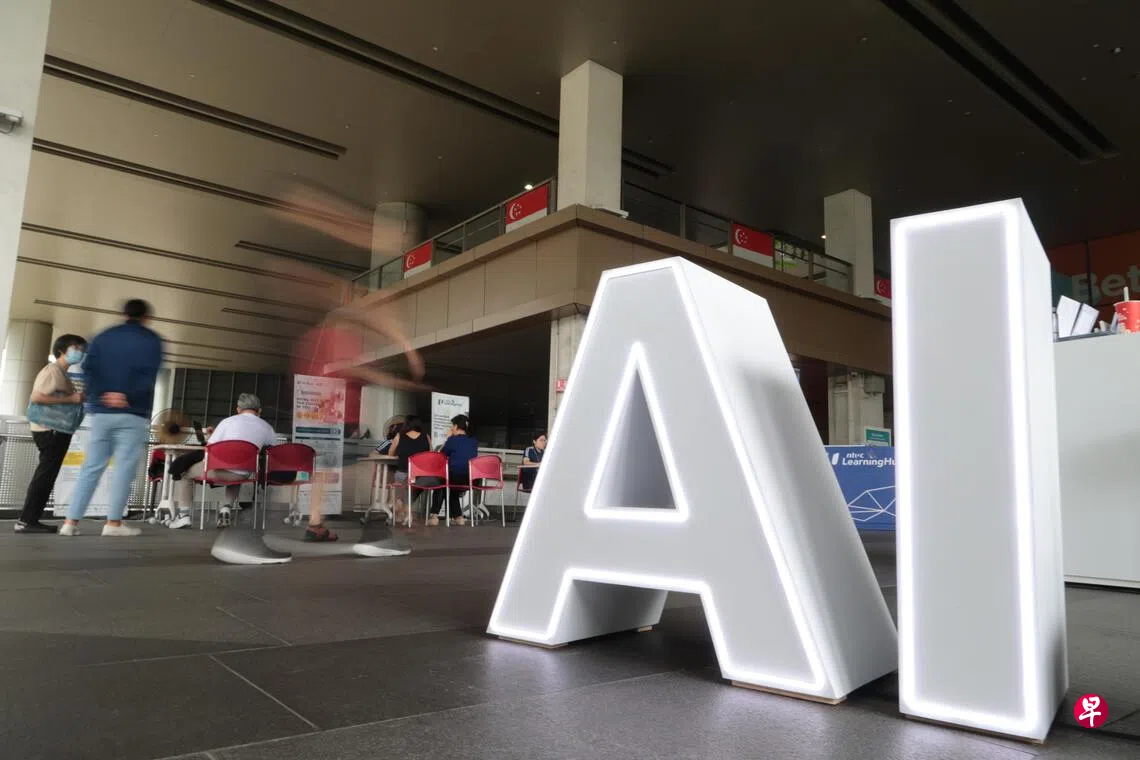
“On one hand, if I saw many more companies use it deeply, that's a good thing because it means maybe more of our growth companies will thrive in the global economy. But my other part of my heart will feel very stressed because it may mean that then more workers get affected.”
As both Acting Minister for Manpower and Senior Minister of State for Digital Development and Information, Jasmin Lau must encourage companies to deepen their adoption of cutting-edge technologies such as artificial intelligence, while also considering the impact of developments in the technology sector on local workers’ jobs.
In an interview, she acknowledged that AI had indeed put her “in a hot seat”, adding: “I’m conflicted daily.”
“On one hand I can see how fast the technology moves, but in my MOM portfolio, many of these workforce policies you cannot do overnight, so the the time dimension does put a lot of stress on me.”
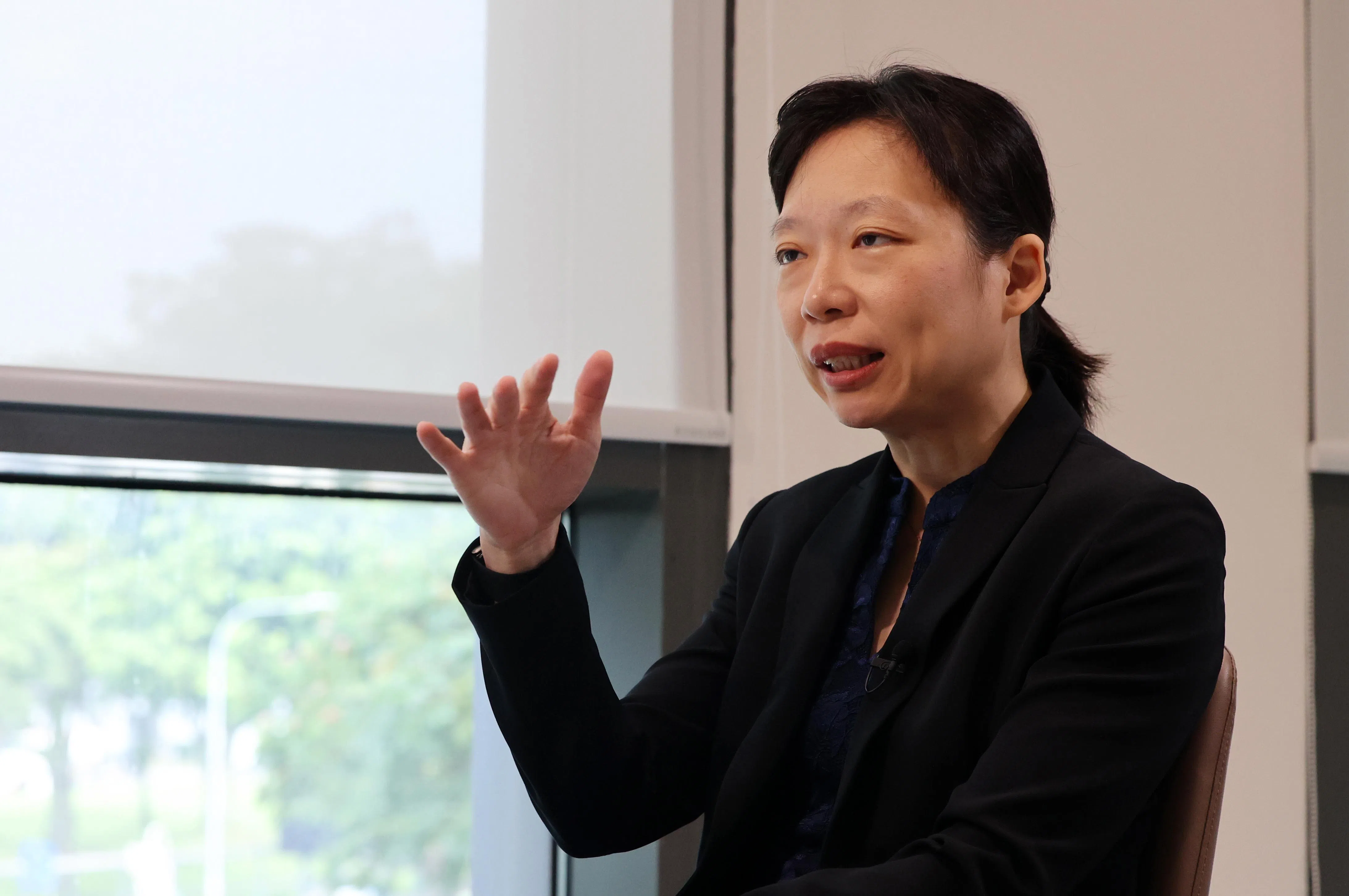
Lau noted that the widely feared “wave of AI-driven retrenchments” had yet to materialise. Market data showed that companies were retrenching workers mainly because of global geopolitical tensions, supply chain adjustments and the digitalisation of basic business functions such as finance and invoicing systems. For now, AI’s impact on employment was more evident in hiring freezes or cautious recruitment than in the direct replacement of existing staff.
Retrenchments driven by business restructuring were nevertheless continuing. For instance, Singapore’s Government Technology Agency announced in July this year that it would retrench 7% to 9% of its staff in phases over two years, equivalent to 270 to more than 350 people.
GovTech’s second round of retrenchments avoids prolonged, agonising waits
Lau is the political office-holder overseeing GovTech. She did not shy away from the issue during the interview, offering a frank assessment of what had and had not worked in the retrenchment exercise.
She said substantial resources had been committed from the outset to provide help as early as possible. This included bringing in the Employment and Employability Institute and the Skills and Workforce Development Agency on the first day.
Retrenchment, however, was an emotional experience that people handled differently. Some employees needed time to process their feelings before seeking help.
Giving advance notice to employees whose departures were scheduled for later could also leave them facing a prolonged period of distress. Lau said: “While they they actually are very committed and want to continue delivering the projects, the exit weighs on them every single day.”
The approach was therefore changed for the second round of retrenchments, so employees would no longer have to endure a lengthy wait. Staff who were unaffected were also explicitly told they would not be retrenched, to avoid unnecessary speculation.
Beyond the retrenchment figures, Lau also urged people to take note of the Apprenticeship Scheme introduced for some affected employees. More than 90 staff left GovTech in the first round of retrenchments and more than 30 in the second, while about another 100 employees joined the redeployment scheme in each round.
Participants are assigned mentors and spend 12 to 18 months working on specific projects at different agencies and undergoing assessments. The aim is for them to move successfully into new roles by the end of the scheme, with the ability to work independently.
Lau also stressed that retrenchment remained a last resort, and that the authorities would make every effort to place eligible employees in the Apprenticeship Scheme.
