

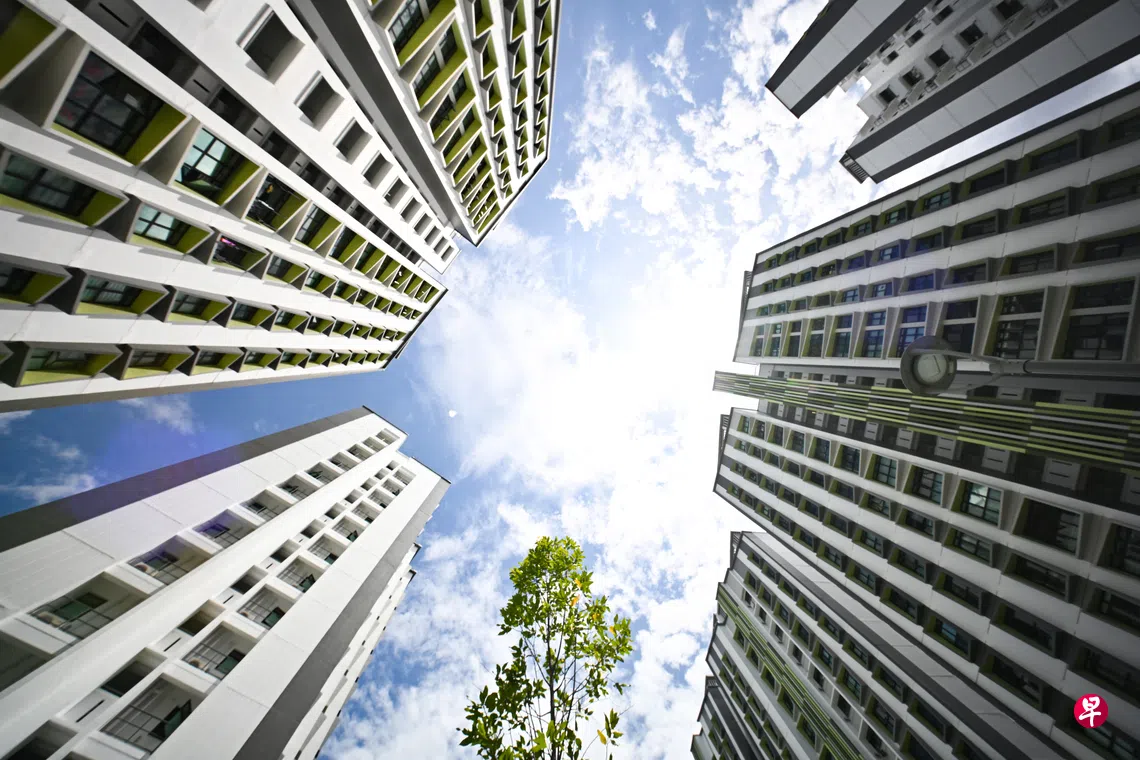
The Housing & Development Board (HDB) recently released its annual report for the 2025 financial year. From April 2025 to the end of March 2026, it incurred losses totalling S$5.13 billion on the construction, sale and upgrading of HDB flats, as well as other housing-related operations.
Meanwhile, its other operations, including the provision, leasing and management of commercial properties and land, generated a surplus of S$419 million, partially offsetting those losses.
HDB’s deficit arose mainly because revenue from flat sales under the Home Ownership Programme was insufficient to cover the total development costs of Build-To-Order (BTO) flats and housing grants disbursed to buyers. Losses from this segment amounted to about S$4 billion in the 2025 financial year, down about 27.4% from S$5.51 billion in the previous financial year.
The net deficit narrowed by nearly 26%, from S$6.342 billion in the 2024 financial year to S$4.708 billion in the 2025 financial year.
To cover the deficit, the government provided HDB with a grant of S$4.73 billion in the 2025 financial year.
Here is a startling figure: since HDB was established in 1960, it has received a cumulative S$66.23 billion in government grants!
As public housing policy has evolved, it has given rise to a host of schemes, including the Home Improvement Programme (HIP), Neighbourhood Renewal Programme (NRP) and Lift Upgrading Programme (LUP). These are all costly undertakings, with the authorities sparing no expense to improve Singaporeans’ living environment and quality of life. Upgrading programmes recorded a deficit of S$279 million in the 2025 financial year, though this was lower than the previous financial year’s S$532 million.
The decline in the deficit for upgrading programmes was mainly because some HIP projects were nearing completion, with most of their expenditure already booked in previous years. Other upgrading programmes were still in their early stages, and spending had yet to rise significantly.
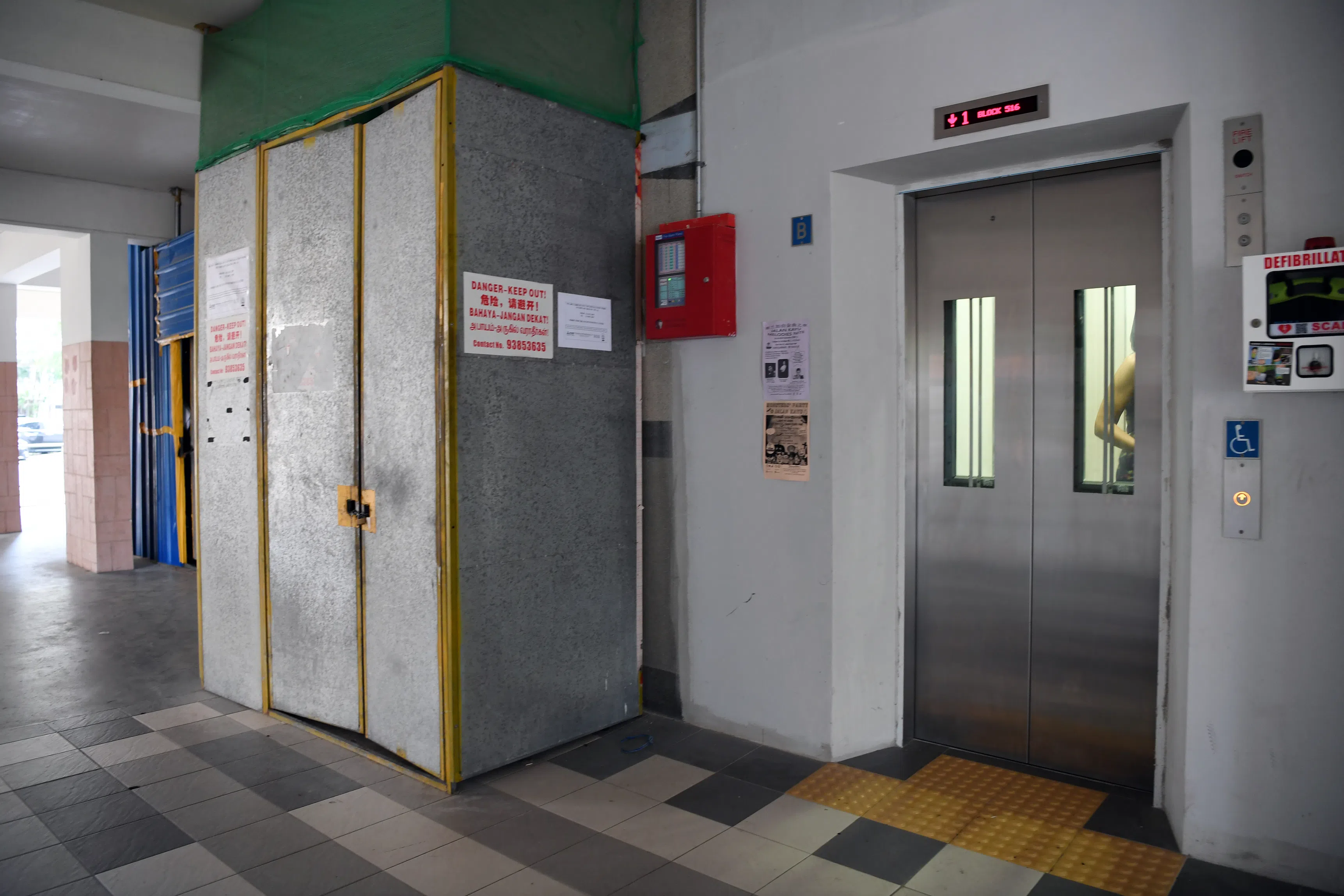
Meanwhile, the deficit for ancillary housing operations, including lease administration and the provision and management of facilities such as car parks, widened from S$570 million to S$673 million. This was partly due to increased spending on upgrading electrical supply systems in older HDB blocks to meet residents’ growing electricity needs.
The deficit for public rental flats also edged up, from S$159 million in the 2024 financial year to S$171 million.
More households drive up demand for HDB flats
Singapore’s public housing policy no longer caters only to lower- and middle-income families. More resources are now being devoted to singles. This means that while the government seeks to encourage young adults to marry and start families, it also has to acknowledge that remaining single has become a social trend. Continuing to ignore singles’ aspirations to own a home would create new social problems.
These aims may seem contradictory. Striking a balance between them presents public housing policy with challenges of unprecedented severity since independence.
At a dialogue on home ownership in September this year, Minister in the Prime Minister’s Office and Second Minister for Finance and National Development Indranee Rajah announced:
The government has taken steps in recent years to meet singles’ housing needs and continues to review existing policies.
Besides exploring a lower age threshold for singles to buy flats, it is also assessing the housing needs of other groups of singles, such as those who wish to buy larger HDB flats with family members.
As Singaporeans live longer, many seniors are choosing to age in place in their own homes. At the same time, more young people and singles want a space of their own. This has contributed to a fall in the average HDB household size, from nearly five people in 1980 to fewer than three in 2025.
As households get smaller, their total number grows, naturally pushing up demand for HDB flats.
Indranee said: “Even with fewer births, and even without population growth, we still need more HDB flats today than we did 10 or 20 years ago.”
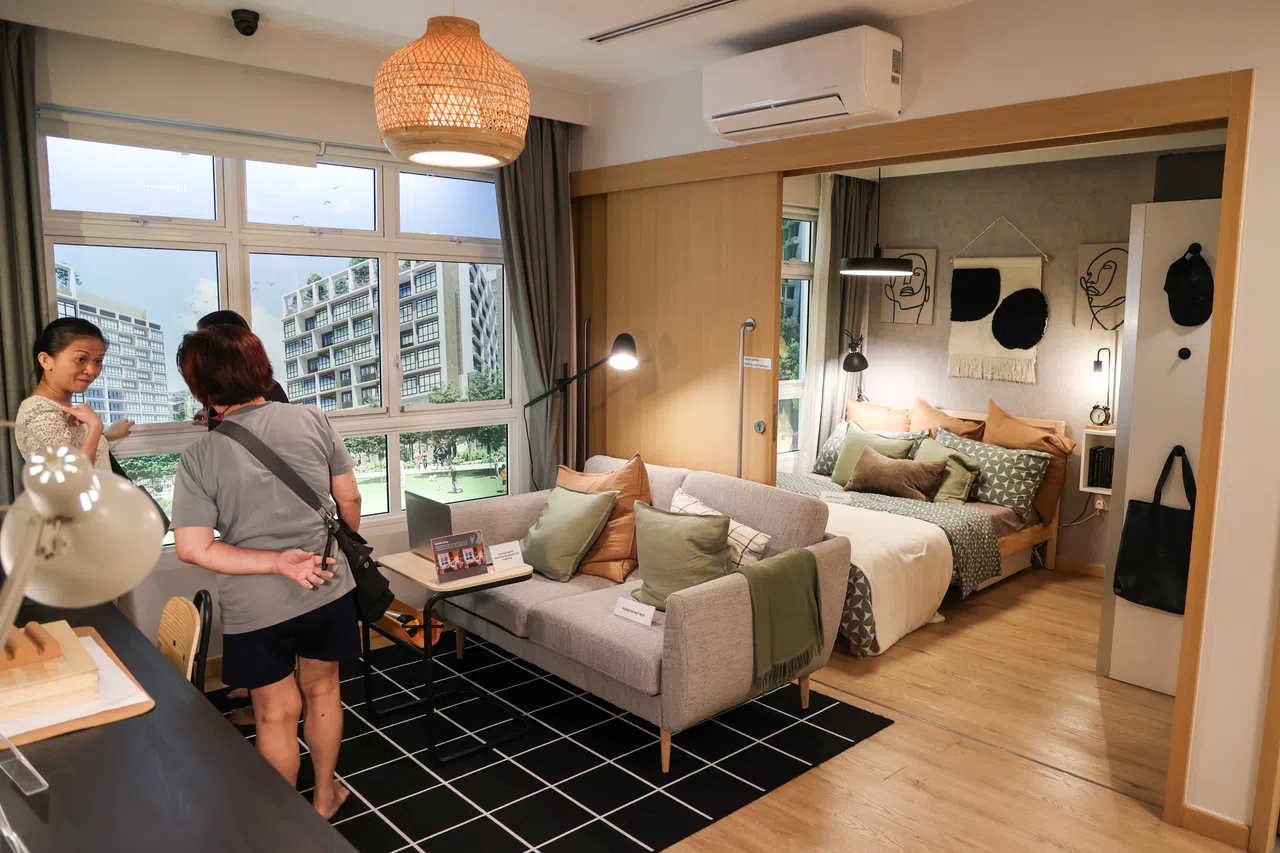
What constitutes a family has changed. What has not changed is that every family needs a home.
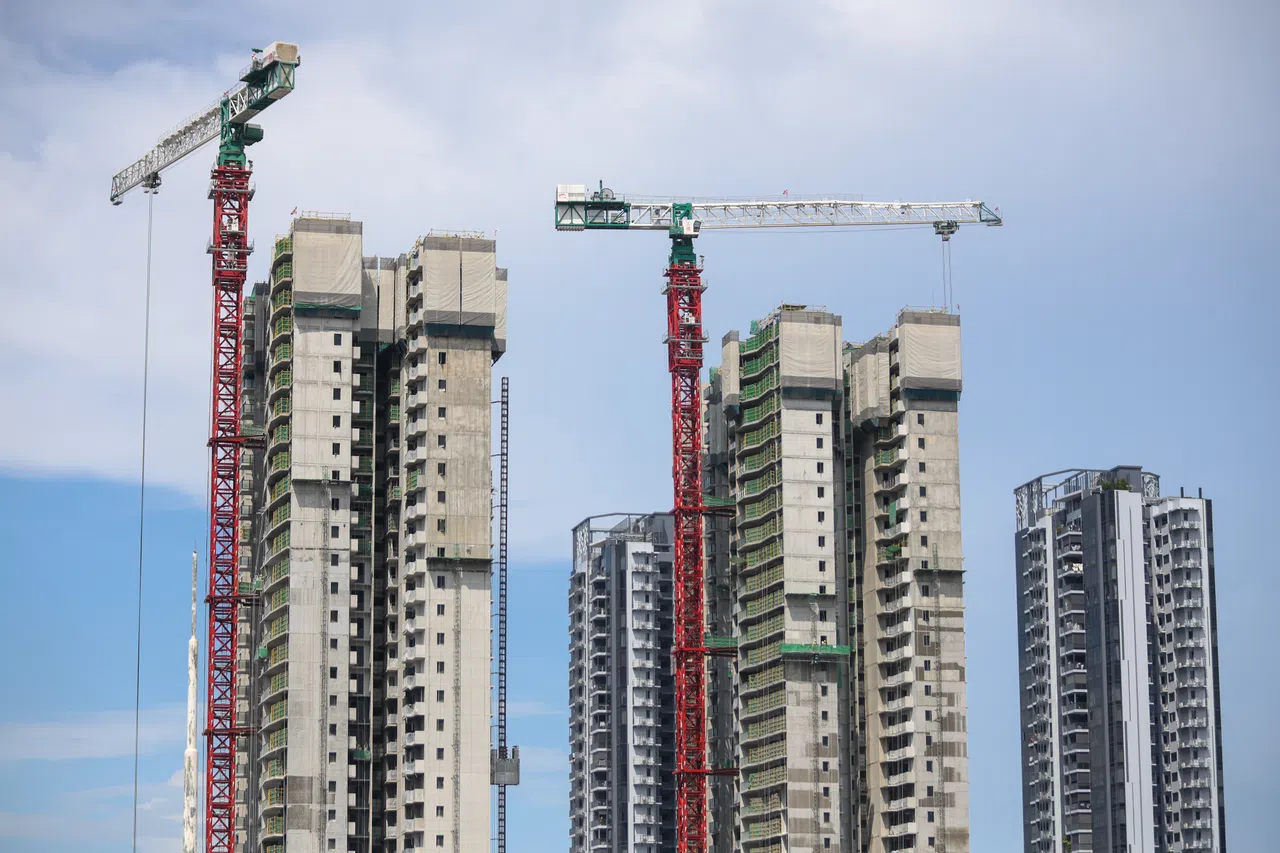
To meet some of this demand, HDB has accelerated flat construction. It launched more than 100,000 BTO flats between 2021 and 2025.
Indranee said the government would continue to maintain an ample and steady supply of HDB flats, launching 55,000 BTO flats between 2025 and 2027. If demand remained strong, it would increase supply further.
In addition, the supply of two-room Flexi flats from 2026 to 2028 will be nearly 50% higher than from 2023 to 2025, to meet the needs of seniors and singles.
Indranee said: “The increase in supply allows us to introduce new measures so that more Singaporeans can buy an HDB flat and fulfil their dream of owning a home.”
These include raising the income ceiling for subsidised flats, exploring a lower age threshold for singles to apply for flats, and studying how to meet the needs of groups such as singles who want to buy larger flats with family members.
Housing is social policy — the key is whether the government can afford it
As demand for HDB flats rises, Singapore must find more sites for housing and make better use of existing land.
Specific strategies include building taller HDB blocks, redeveloping existing sites and considering the development of sites with extensive greenery or a long history.
Is it a good or bad thing that HDB runs a deficit year after year? If it is good, does that mean the bigger the deficit, the better?
The key is whether the government can afford it. Public housing is a social policy, and social policy is not about making money. Home ownership and social stability are the greatest returns. That is why we welcome HDB’s annual budget deficits.
Years ago, opposition MPs questioned whether the subsidies towards the cost of HDB flats were as generous as the government claimed, sparking a major parliamentary debate between the government and the opposition.
The government’s approach of subsidising home purchases for lower- and middle-income citizens is unmatched anywhere in the world, and a source of pride for Singaporeans.
If the country faces a severe and prolonged economic crisis, housing policy could be among the first areas affected. The state of maintenance in HDB estates can offer an early indication of whether the government’s coffers are running low.
