

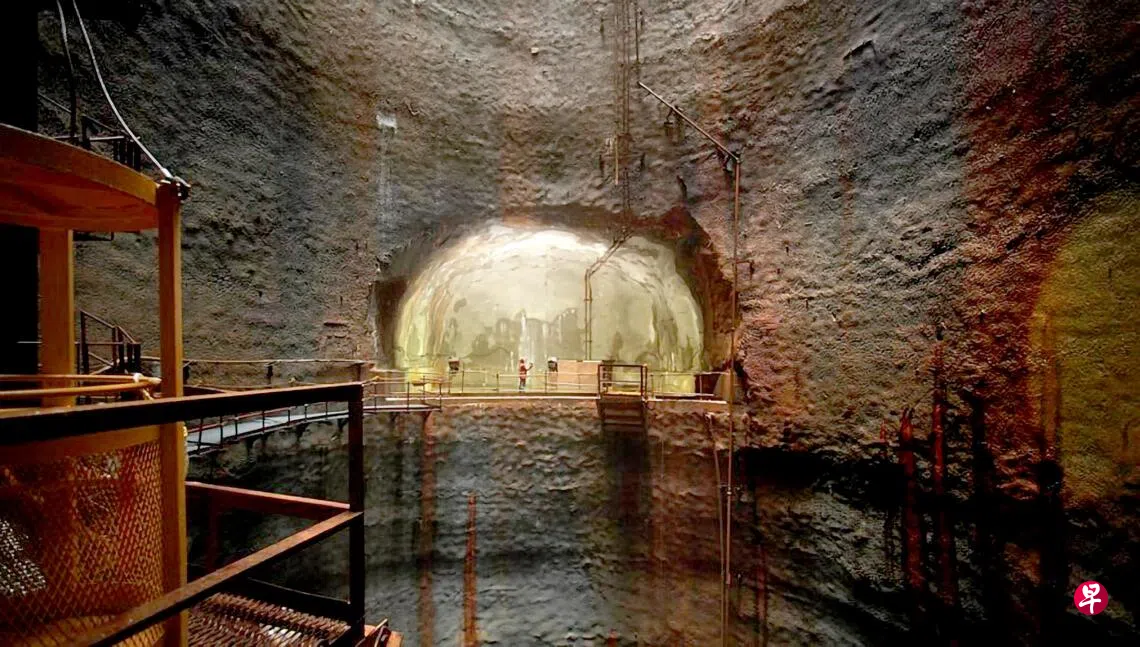
Saudi Arabia plans to store crude oil at the Jurong Rock Caverns on Singapore’s Jurong Island from the second half of next year, in what is believed to be a first for Southeast Asia.
With the Strait of Hormuz crisis unresolved, the move will not only strengthen the resilience of Saudi crude oil supply chains in Southeast Asia, but also help safeguard Singapore’s energy security and its ability to withstand supply disruptions.
The 19th Singapore International Energy Week opened on Monday (26 October). Speaking at the Singapore Energy Lecture, Minister for Energy, Trade and Industry (Energy and Industry) Dr Tan See Leng announced that Singapore would work with Saudi Arabia on plans to store Saudi crude oil at the Jurong Rock Caverns on Jurong Island from the second half of next year.
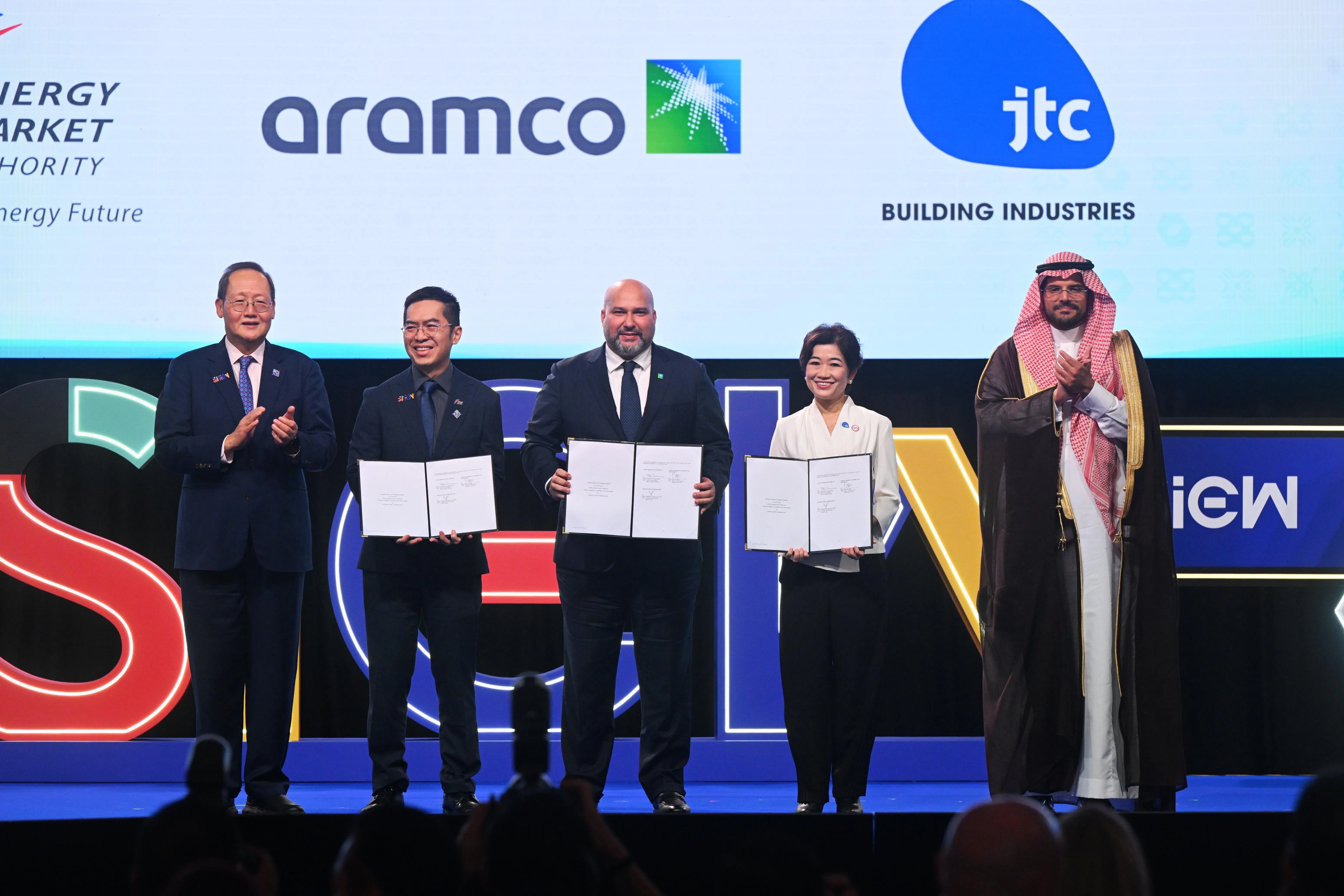
The Energy Market Authority, JTC Corporation and Saudi oil company Saudi Aramco signed a memorandum of understanding on cooperation, with negotiations expected to conclude in the coming months. Responding to queries, the Ministry of Trade and Industry said it could not disclose further details at this stage because of commercial sensitivities.
“This arrangement enhances the resilience of the Saudi crude oil supply chain in Southeast Asia, as well as contributes to Singapore's energy security and resilience in the event of supply disruptions,” Dr Tan said.
In a pre-recorded video address, the Minister of Energy of Saudi Arabia, Prince Abdulaziz bin Salman bin Abdulaziz Al Saud, said energy security depended on the resilience of the entire system, as well as ensuring that partnerships remained reliable under pressure. For Asian economies, reliable energy supplies would support regional industrial development, strengthen investor confidence and sustain prosperity.
He noted that Singapore was one of Saudi Arabia’s energy partners. “We value our growing partnership and the opportunity to translate shared priorities into practical cooperation, our discussion on storing Saudi crude at Jurong Rock Caverns is one such opportunity.”
Saudi Aramco also currently stores Saudi crude oil in Japan and South Korea.
Dr Tan: Preparing ahead allows Singapore to weather disruptions calmly
Separately, Dr Tan announced that Singapore’s central gas procurement entity, GasCo, would sign a memorandum of understanding with Thailand’s national oil company, PTT, to explore cooperation in areas such as optimising liquefied natural gas supplies.
He stressed that energy was a matter of survival, and that a resilient energy system was essential to give the public and investors confidence.
The situation in the Middle East remains uncertain, and any disruption to the Strait of Hormuz could trigger supply crises affecting energy and other goods. Dr Tan noted that countries might prioritise domestic needs when supplies ran short.
“This trend of resource nationalism is very concerning, especially if it undermines established contractual agreements. Such moves will increase business risks and deter investments in the energy sector, with negative long-term implications. For energy importers like Singapore, we will have to take into account the increased risks of such supply disruptions.”
In the face of these risks, Singapore has consistently planned ahead for energy security. It has taken a multi-pronged approach to ensuring stable supplies, including diversifying energy sources, developing a second liquefied natural gas terminal, establishing GasCo, maintaining fuel reserves and strengthening partnerships with other countries. GasCo is expected to award its first procurement contract next year.
Dr Tan said these preparations had enabled Singapore to mitigate the worst effects of the energy crisis. Despite higher energy prices this year, the country had experienced neither fuel supply disruptions nor power outages.
The Indonesian government announced that, from last Saturday (24 October), it would reduce daily natural gas exports to Singapore by 31 billion British thermal units, equivalent to less than 2% of Singapore’s total natural gas imports.
Dr Tan said Singapore had weathered similar disruptions in the past thanks to its investments over the years. He stressed that while Singapore could not predict every supply disruption, it could “prepare ahead so that it can respond calmly when circumstances change”.
“So, for Singapore, we can keep calm and carry on. Our households and businesses can be assured that our energy security is always at the top of our minds. We will continue to maintain and expand our options, strengthen our partnerships around the world, and build greater resilience.”
