

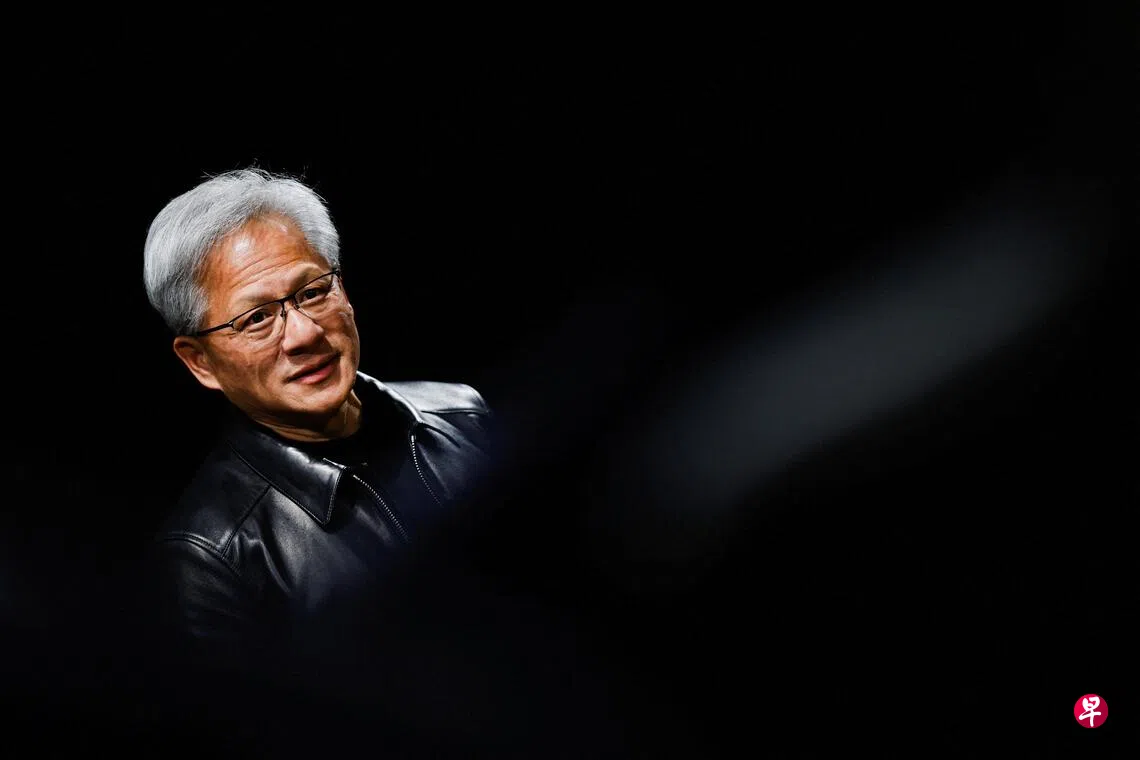
Some employees have called for Jensen Huang to return after he stepped down as chief executive of Nvidia. Some Silicon Valley founders and investors have criticised Nvidia’s decision to let him go, while others hope he will make a comeback. Elon Musk said earlier on social media platform X that it would be an honour to hire Huang.
There are precedents for technology founders returning to the companies they built. Apple co-founder Steve Jobs and Sam Altman, co-founder of artificial intelligence (AI) company OpenAI, both returned to the helm after leaving. Could Huang be next?
An acquisition brought Jobs back as Apple sought a way out of its troubles
Apple co-founder Steve Jobs left the company in 1985 after losing a power struggle with its management. He subsequently founded computer company NeXT and, in 1986, bought Lucasfilm’s computer division, developing it into the independent Pixar animation studio.
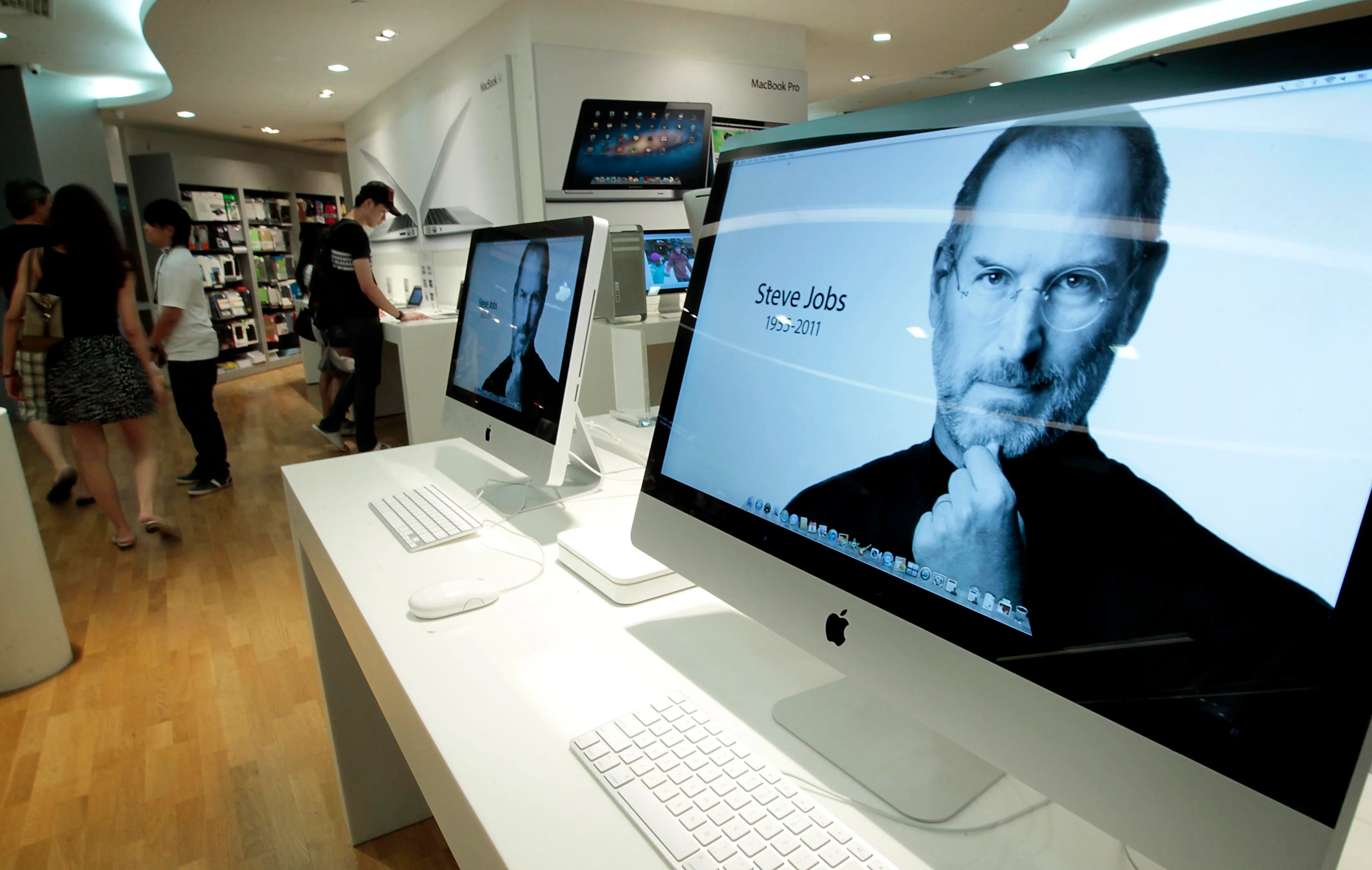
It was NeXT that paved the way for his return to Apple. In need of a new operating system, Apple announced its acquisition of the company in December 1996. Jobs returned as an adviser and became interim chief executive in 1997.
After retaking the helm, Jobs streamlined Apple’s product range and struck a partnership with Microsoft. Under his leadership, Apple launched the iMac, iPod and iPhone in succession. The iPhone, in particular, put the internet in people’s pockets, ushering in the mobile internet era.
Mak Yuen Teen, a professor at the National University of Singapore’s (NUS) Business School and a corporate governance expert, told Lianhe Zaobao (LHZB) that comparing the two men’s experiences required looking at both why they left and why their companies needed them back. Jobs left Apple following a management power struggle and returned when the company was struggling and needed him to lead a turnaround. Huang, by contrast, faces controversy involving personal conduct and corporate governance.
On the frequent comparisons between technology leaders and Jobs, Mak said: “There is only one Steve Jobs.” In his view, what set Jobs apart was his personal involvement in product conception and design. He does not believe Huang plays the same role at Nvidia.
Mak added that Huang’s frequent public appearances did not mean he alone was responsible for chip design and innovation. A large, long-established company such as Nvidia should have a strong research and development team. Jobs’s precedent could not be used as a direct guide to whether Huang would return.
Altman returned, but OpenAI’s board was overhauled
Sam Altman’s departure and return as co-founder of US AI company OpenAI unfolded over a short period.
On 17 November 2023, OpenAI’s board removed him as chief executive and a director, saying he had not been consistently candid in his communications with the board, hindering its ability to fulfil its responsibilities.
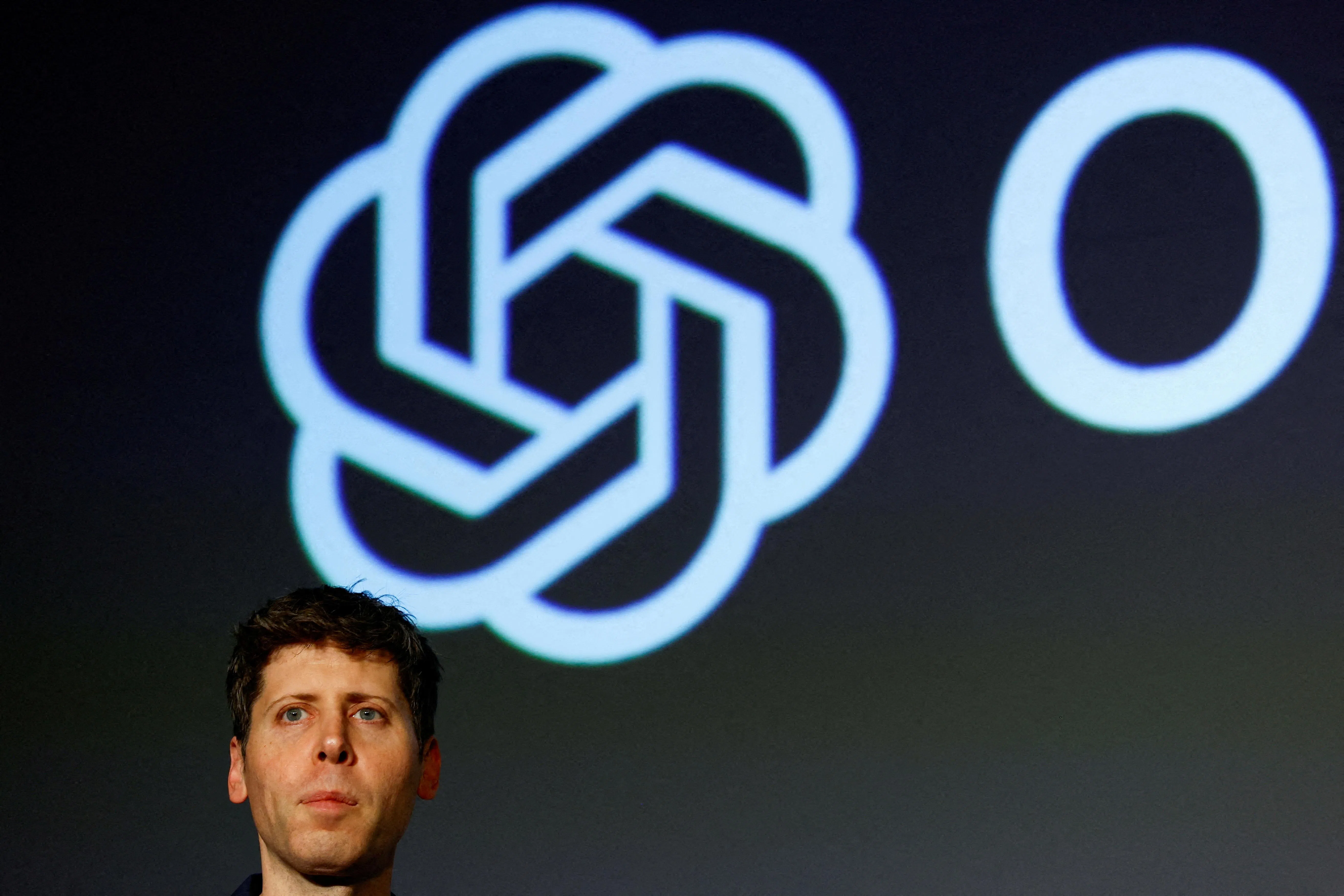
Hundreds of employees subsequently signed a joint letter demanding the board’s resignation and threatening to leave. Microsoft also announced that it would hire Altman. On 21 November, OpenAI announced an agreement in principle for his return, and formally announced his reinstatement as chief executive on 29 November. The board was also restructured, and Altman was reappointed as a director in March 2024.
Employees are now also calling for their founder’s return at Nvidia. US technology magazine WIRED reported on Thursday (12 November) that an internal Nvidia post urging the board to consider employees’ views had received more than 1,600 comments, most supporting Huang’s reinstatement.
Mak noted that OpenAI was still closer to a start-up at the time, and that Altman had Microsoft’s backing. Nvidia, by contrast, has grown into a company that was at one point the world’s most valuable. The two companies’ dependence on their founders could not be treated as equivalent.
Mak also had reservations about Altman’s reinstatement itself. He noted that the original board had dismissed Altman because it no longer trusted him, yet the outcome was a board overhaul and Altman’s return to the helm.
He questioned whether that outcome served OpenAI’s long-term governance interests.
Expert: “I would be surprised if Huang returned”
The question of whether Huang will return has sparked heated discussion in Silicon Valley. Bloomberg reported on Friday (13 November) that former Twitter chief executive Dick Costolo expected Nvidia to bring Huang back in three or four years if its results fell short of expectations for one or two consecutive quarters. He believes Americans love a comeback story.
Robson Lee, a partner at Kennedys Law, described Huang in an interview as Nvidia’s “soul”. He said Huang’s complete departure was a major blow to the company. It remained unclear whether the board could find a suitable successor, or whether Huang would eventually return.
Lee suggested that the board appoint Huang as an adviser for the time being to reduce the uncertainty facing the company.
Mak, however, considered Huang’s return to Nvidia unlikely. “I would be very surprised if he returned,” he said.
He noted that Huang faced a growing number of allegations, some involving company employees. Allowing him to return under such circumstances would send the wrong signal, Mak said, calling the company’s code of conduct into question and suggesting that its chief executive could receive special treatment.
Mak also questioned the board’s succession preparations. As Nvidia was already a large company, he said, its board should have plans in place for a situation in which key leaders could no longer perform their duties. If the company ultimately had to bring Huang back to function, it would raise questions about whether the board had fulfilled its responsibility for succession planning.
Still, Mak did not entirely rule out the comeback predicted by Costolo. He stressed that a short-term share price decline was not enough to assess the long-term impact of Huang’s departure. Much would depend on Nvidia’s subsequent business performance.
Mak added that age was another consideration in whether Huang would return. Huang is already in his sixties, and whether he would be willing to come back and face renewed public scrutiny was also an open question.
